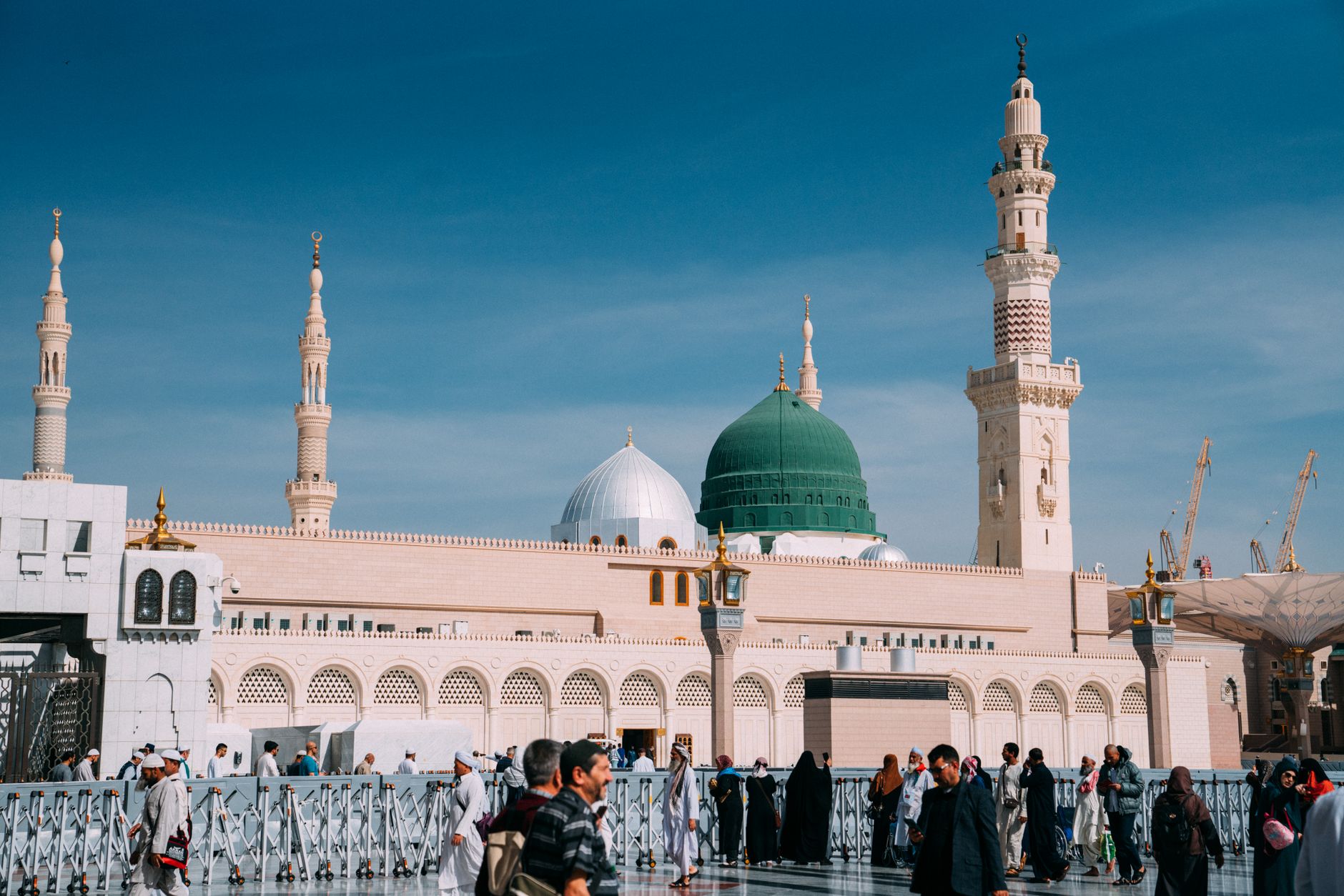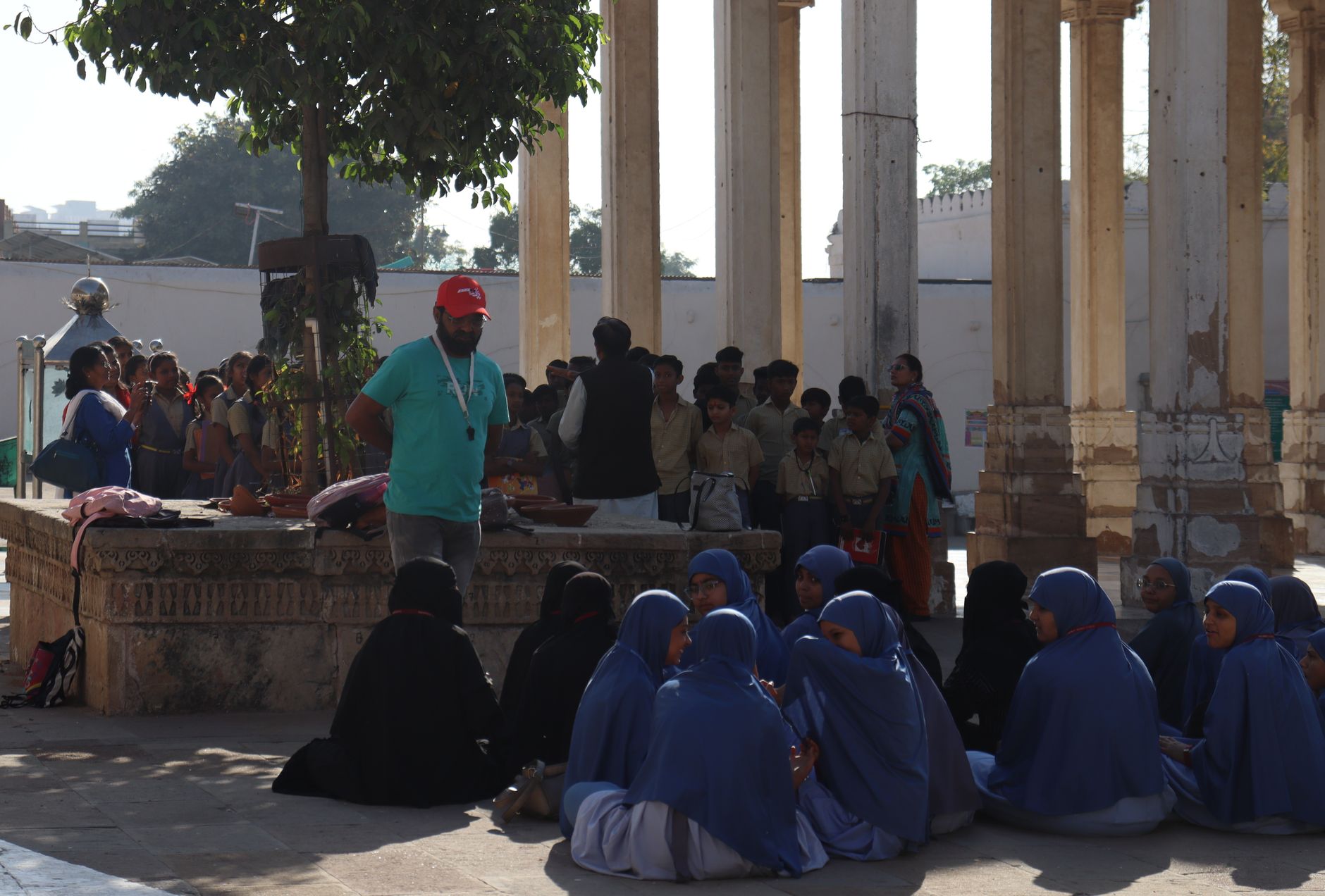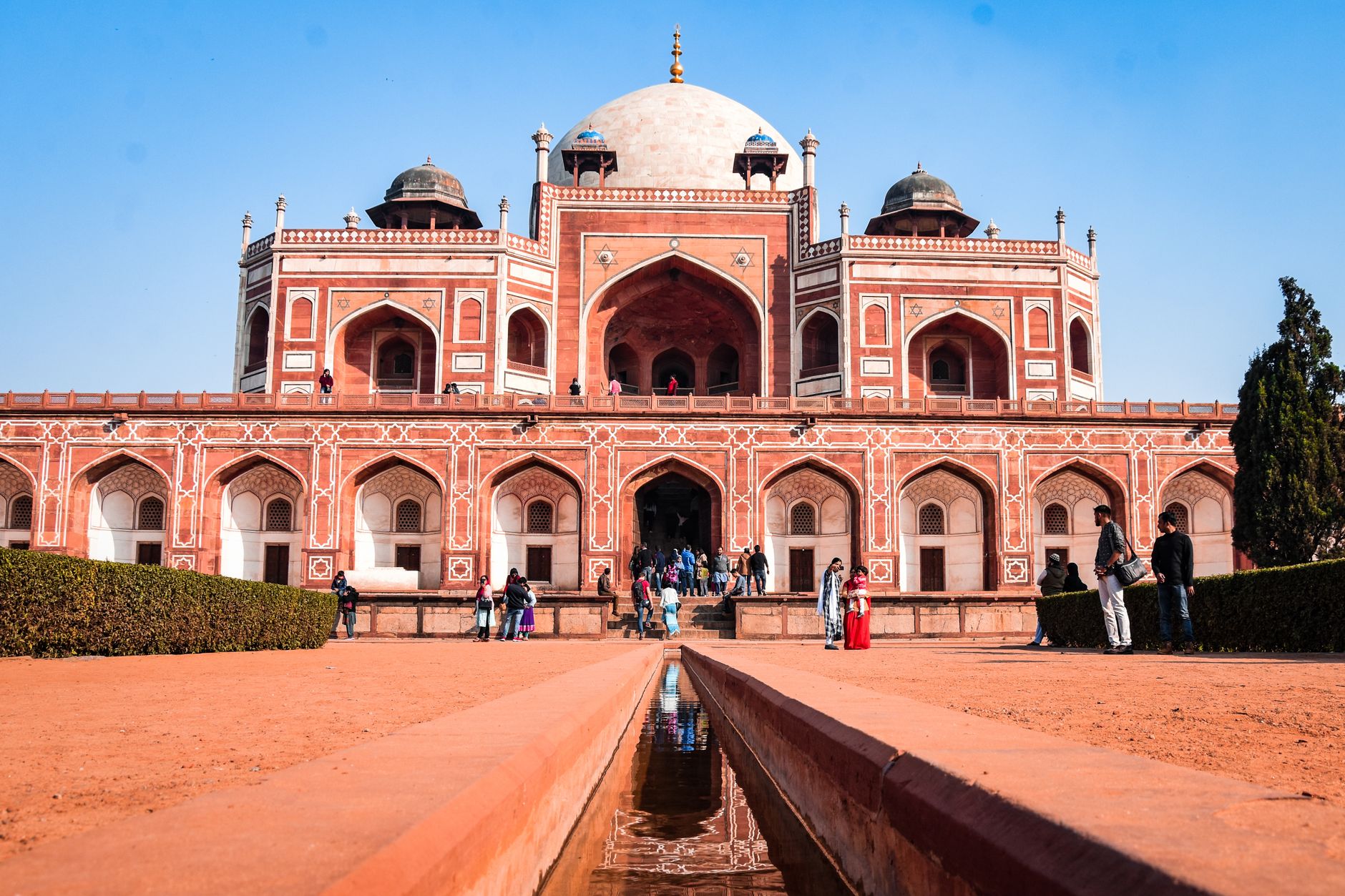
India has long captivated global imagination with its rich cultural heritage, diverse landscapes, and spiritual traditions. From the snow-capped Himalayas to tropical beaches, ancient monuments to bustling metropolitan cities, the country offers experiences few destinations can match. Yet despite these inherent advantages, India has historically underperformed in international tourism compared to its potential. That narrative, however, is rapidly changing.
Recent years have witnessed remarkable growth in India's tourism sector, with visitor numbers and tourism revenue climbing steadily. But industry experts and government officials alike recognize that this success represents merely the beginning of what could become a transformational economic story. The question isn't whether India can become a tourism powerhouse—it's how quickly the country can implement reforms to unlock this latent potential.
The Current Landscape
India currently attracts approximately 10-12 million international tourists annually, a figure that pales in comparison to countries like France (nearly 90 million), Spain (over 80 million), or even regional competitor Thailand (around 40 million pre-pandemic). This gap exists despite India's unparalleled diversity of attractions, suggesting massive untapped opportunity rather than lack of appeal.
The domestic tourism market tells a different story, with hundreds of millions of Indians traveling within the country each year. This robust internal market has sustained the hospitality industry and demonstrates strong fundamental demand for tourism infrastructure. The challenge lies in translating this domestic success into international arrivals.
Barriers to International Growth
Several structural obstacles have historically constrained India's international tourism potential. The visa process, while improved in recent years, remains more cumbersome than competitors offering visa-on-arrival or electronic visas with minimal restrictions. Many prospective visitors face lengthy application procedures, documentation requirements, and processing times that discourage spontaneous or short-duration trips.
Infrastructure gaps present another significant challenge. While major cities boast world-class hotels and airports, connectivity to second and third-tier destinations often falls short of international standards. Road quality, public transportation options, and tourist-friendly amenities vary dramatically across regions. Last-mile connectivity—getting tourists from major hubs to actual attractions—frequently proves problematic.
International air connectivity, though expanding, doesn't match the breadth available to competing destinations. Limited direct flights from key source markets increase travel time and costs, making India less accessible than Southeast Asian alternatives.
The Path Forward
The roadmap to tourism superpower status involves coordinated action across multiple fronts. Visa liberalization stands as perhaps the most impactful single reform. Expanding e-visa eligibility, extending duration limits, introducing multiple-entry options, and streamlining processes could immediately boost arrivals from key markets.
Infrastructure investment must extend beyond gateway cities. Developing tourism circuits that connect multiple attractions within regions, upgrading transportation networks, and ensuring consistent service standards across price points would enhance visitor experiences and encourage longer stays.
Marketing and positioning deserve strategic attention. India needs coherent destination branding that highlights its unique offerings while addressing perception challenges around cleanliness, safety, and ease of travel. Targeted campaigns in high-potential markets, particularly in Asia, the Middle East, and Western countries with significant diaspora populations, could yield substantial returns.
Economic Implications
The economic stakes are enormous. Tourism generates employment across skill levels, from hospitality workers to tour guides, artisans to transportation providers. It drives demand in agriculture, manufacturing, and services while generating tax revenue and foreign exchange. A thriving tourism sector creates opportunities in regions with limited alternative economic options, potentially addressing regional imbalances.
Conservative estimates suggest India could realistically target 30-40 million annual international visitors within a decade with appropriate reforms—tripling or quadrupling current levels. Such growth would position tourism among India's largest economic sectors and employment generators.
Sustainability Considerations
Rapid tourism growth must be managed responsibly. Popular destinations already face overcrowding and environmental stress. Successful tourism development requires balancing growth with preservation, ensuring that the attractions drawing visitors today remain intact for future generations. This means investing in sustainable infrastructure, managing carrying capacity at sensitive sites, and promoting lesser-known destinations to distribute visitor impact.
India stands at a pivotal moment in its tourism trajectory. The foundation exists—unmatched cultural wealth, improving infrastructure, growing middle class, and increasing global interest. Converting potential into performance requires sustained commitment to reform, investment, and strategic planning. The success story has indeed just begun, and the next chapter promises to be transformative.