India's travel and tourism sector has reached a significant economic milestone, with the industry now valued at $263.6 billion, signaling the country's emergence as a global tourism powerhouse. This achievement reflects years of infrastructure development, policy reforms, and the nation's inherent cultural and geographical diversity that continues to attract millions of visitors annually.
Strong Recovery Post-Pandemic
The tourism sector's robust performance marks a remarkable recovery from the COVID-19 pandemic, which had brought international travel to a near standstill. India's strategic approach to reopening, combined with pent-up travel demand, has accelerated growth beyond pre-pandemic levels. Domestic tourism has been particularly strong, with Indians rediscovering their own country's attractions, from the Himalayan peaks to coastal paradises and heritage sites.
The government's focus on developing tourism infrastructure, including improved connectivity to remote destinations and the promotion of lesser-known tourist circuits, has paid dividends. Initiatives like the Swadesh Darshan scheme and PRASAD project for pilgrimage tourism have opened up new destinations while distributing tourism benefits more evenly across the country.
Economic Impact and Employment
The tourism sector's contribution extends far beyond the headline figure. The industry serves as a significant employment generator, providing direct and indirect jobs to millions of Indians across various skill levels. From hotel staff and tour guides to artisans and transport providers, the ripple effects of tourism spending touch numerous sectors of the economy.
Key economic contributions include:
- Direct employment in hotels, restaurants, and travel services
- Indirect jobs in supply chains, construction, and handicrafts
- Foreign exchange earnings strengthening India's balance of payments
- Regional economic development in tourism-dependent areas
- Support for preservation of cultural heritage and natural sites
Path to Global Top Four
India's ambition to enter the world's top four tourism economies is built on several strategic advantages. The country currently ranks behind established leaders like the United States, China, and major European nations, but its growth trajectory suggests this gap is narrowing.
Several factors support India's ascent:
- A growing middle class with increasing disposable income for travel
- Investment in world-class hotels and resorts
- Improved air connectivity with new airports and expanded flight networks
- Digital infrastructure making travel planning and bookings easier
- Visa reforms including e-visa facilities for many nationalities
Diversity as a Competitive Advantage
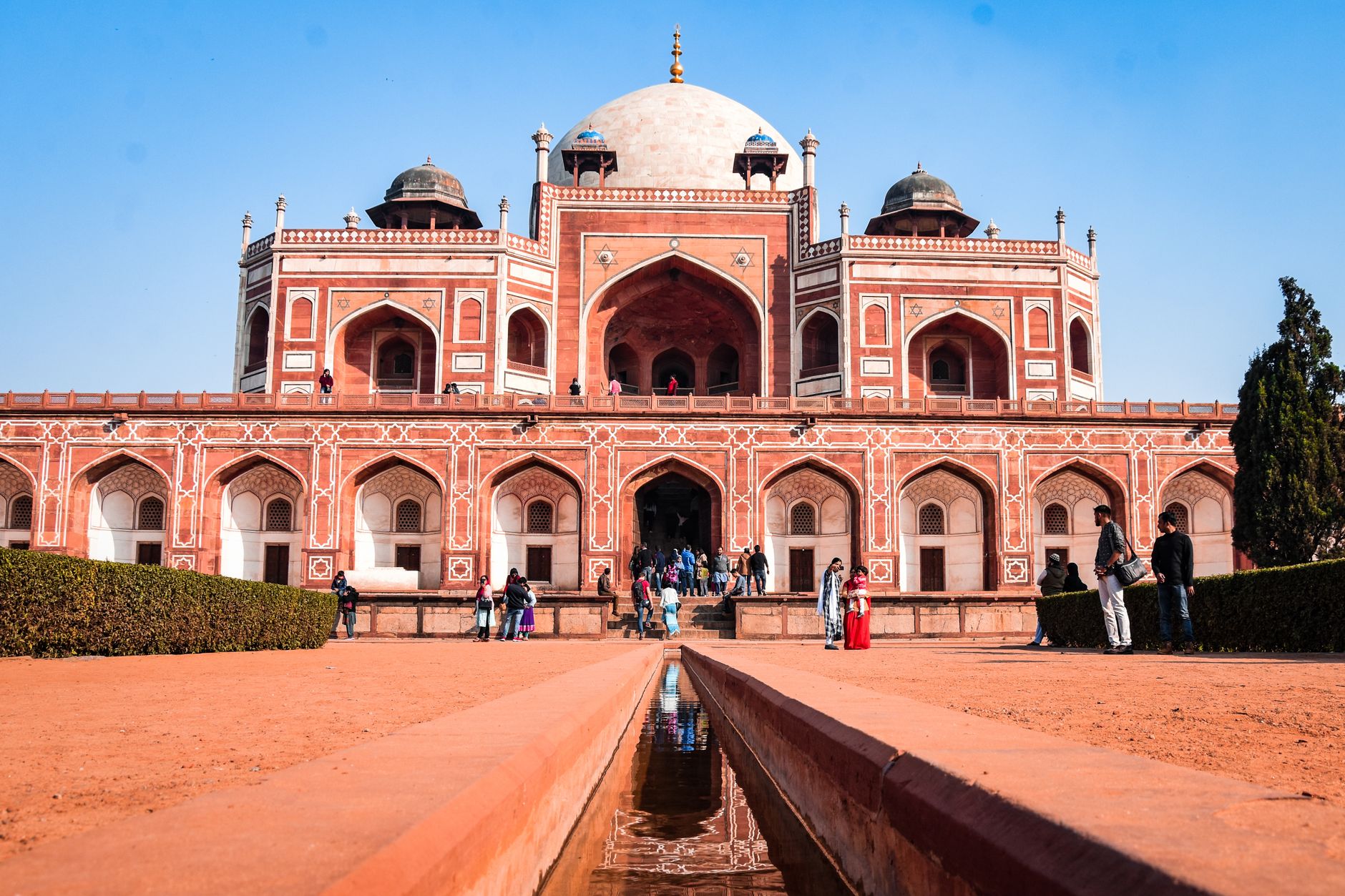
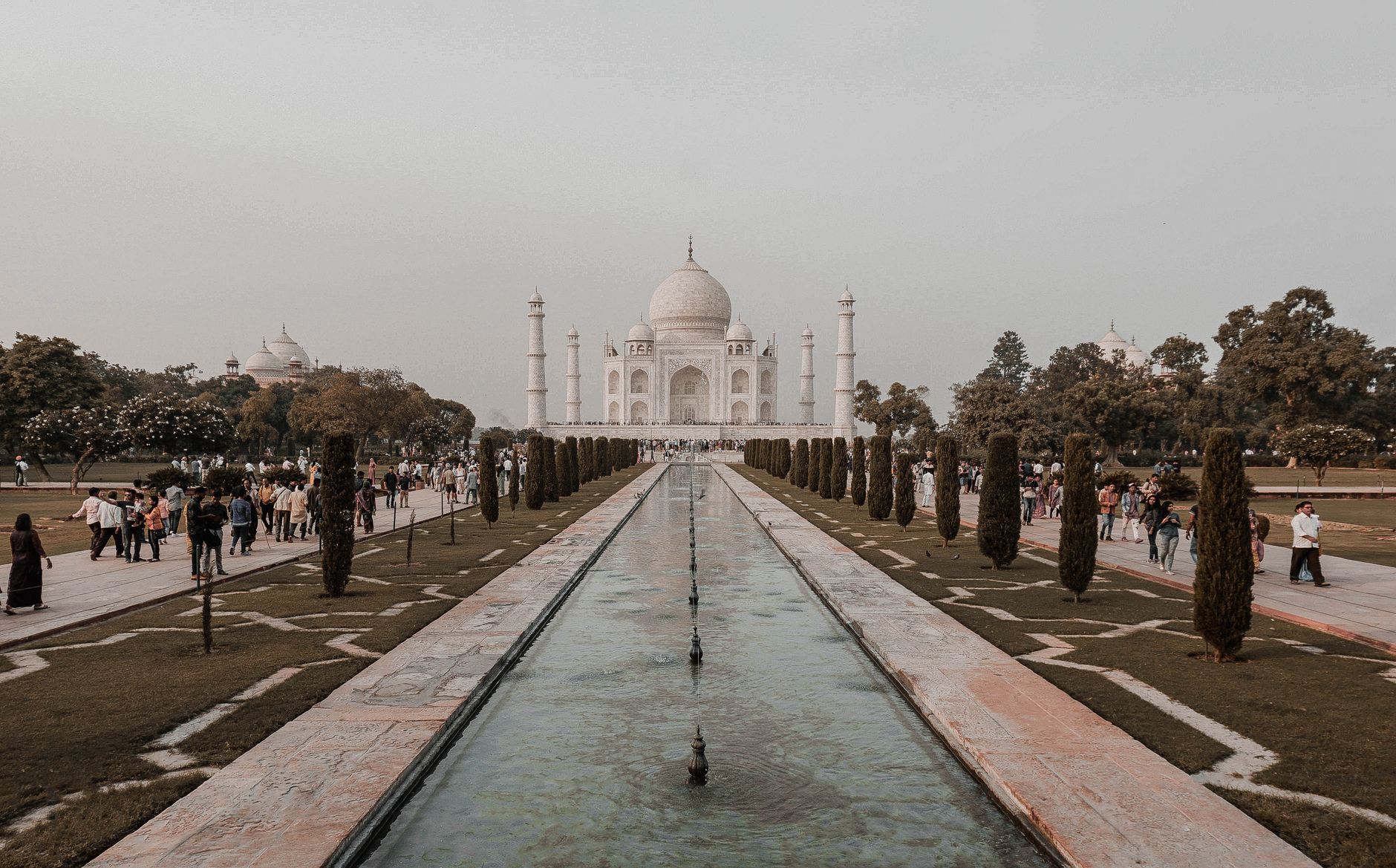
India's unique selling proposition lies in its extraordinary diversity. Few countries can match the range of experiences available within a single nation. Visitors can explore ancient temples, Mughal architecture, colonial-era hill stations, pristine beaches, wildlife sanctuaries, and modern metropolitan cities—all within one trip.
The country's spiritual tourism segment continues to draw seekers from around the world, while adventure tourism in regions like Ladakh, Himachal Pradesh, and Uttarakhand has gained popularity. Medical tourism has also emerged as a significant contributor, with India's combination of quality healthcare and cost-effectiveness attracting international patients.
Challenges and Opportunities Ahead
Despite the impressive growth figures, challenges remain. Infrastructure gaps persist in many tourist destinations, particularly regarding cleanliness, last-mile connectivity, and tourist amenities. Safety concerns, especially for solo female travelers, need continued attention and improvement.
However, these challenges also present opportunities for investment and development. The private sector's increasing participation in tourism infrastructure, combined with government initiatives, suggests these issues are being actively addressed.
Sustainable Tourism Focus
As the sector expands, there is growing awareness of the need for sustainable tourism practices. Overcrowding at popular destinations like Goa, Shimla, and certain heritage sites has prompted discussions about carrying capacity and environmental protection. The future growth of Indian tourism will need to balance economic benefits with ecological preservation and community welfare.
The government and industry stakeholders are increasingly promoting responsible tourism, encouraging visitors to respect local cultures and minimize environmental impact. This approach will be crucial for maintaining the long-term viability and appeal of India's tourism assets.
The achievement of a $263.6 billion tourism economy represents both a celebration of progress and a platform for future ambitions. As India works toward breaking into the global top four, the sector's continued growth promises to deliver economic benefits, cultural exchange, and enhanced global connectivity for years to come.