India's travel and tourism sector is on a remarkable growth trajectory, with projections indicating its total contribution to the country's GDP will reach substantial heights by 2034. This forecast represents not just the direct impact of hotels, airlines, and tour operators, but the entire ecosystem that supports travel-related activities across the nation.
Understanding Total Economic Impact
The total impact of travel and tourism extends far beyond ticket sales and hotel bookings. It encompasses direct contributions from travel companies, indirect effects through supply chains, and induced impacts from employee spending. When tourists visit India or Indians travel domestically, they trigger a ripple effect through restaurants, transportation networks, handicraft markets, construction companies building hotels, and countless other businesses.
This multiplier effect means that every rupee spent on travel generates additional economic activity across multiple sectors. Food suppliers for hotels, laundry services, souvenir manufacturers, and local guides all benefit from tourism activity, creating employment opportunities in both urban centers and rural destinations.
Key Growth Drivers
Several factors are propelling India's tourism sector toward this optimistic projection:
- Expanding middle class with greater disposable income and travel aspirations
- Infrastructure improvements including new airports, highways, and railway connections
- Digital transformation making travel planning and booking more accessible
- Government initiatives like the Incredible India campaign and e-visa facilities
- Growing international recognition of India's diverse cultural and natural attractions
- Increased domestic tourism as Indians explore their own country
- MICE tourism (Meetings, Incentives, Conferences, and Exhibitions) gaining momentum
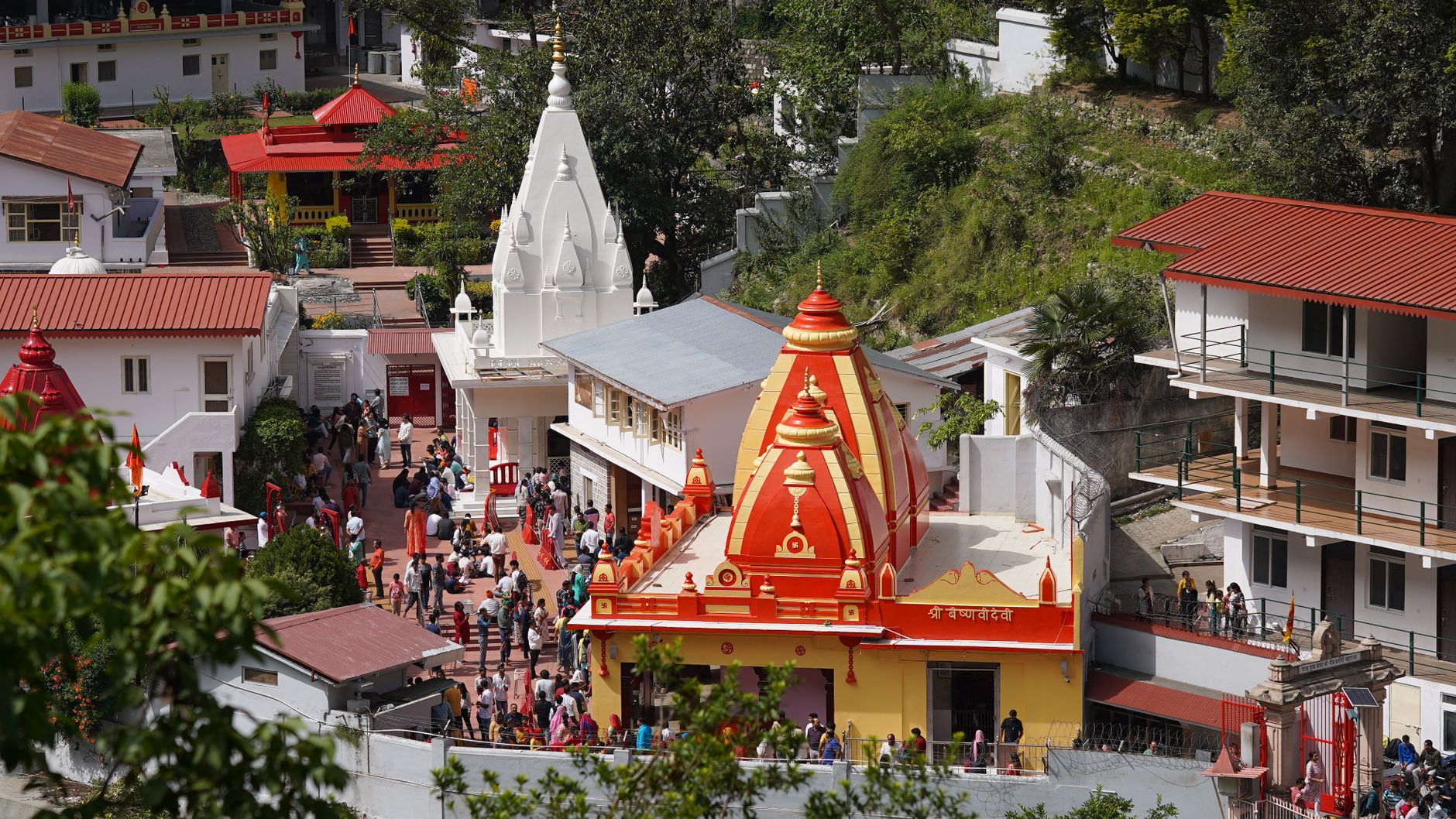
- Spiritual and wellness tourism drawing global visitors
Regional Variations and Opportunities
India's vast geography means tourism impact varies significantly across states. Goa, Rajasthan, Kerala, and Himachal Pradesh have traditionally dominated tourist arrivals, but emerging destinations are claiming their share. States in the Northeast are opening up to tourism, while coastal states beyond Goa are developing beach tourism infrastructure.
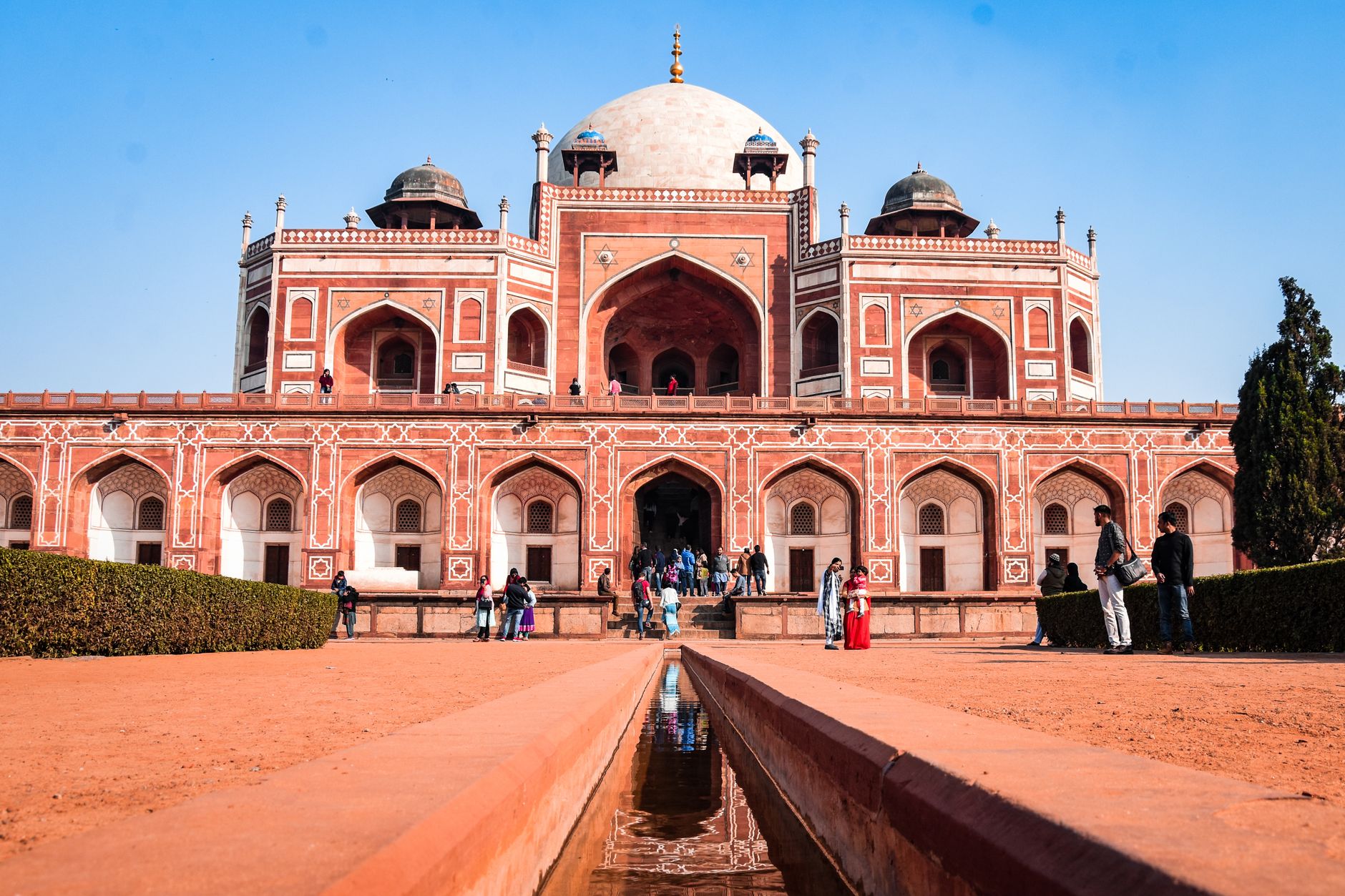
Heritage tourism continues to anchor visits to cities like Jaipur, Agra, and Varanasi, while adventure tourism in Ladakh, Uttarakhand, and Sikkim attracts younger demographics. Metro cities serve as business tourism hubs, with convention centers and five-star hotels catering to corporate travelers.
Employment Generation Potential
The tourism sector's labor-intensive nature makes it a powerful employment generator. From entry-level positions to specialized roles requiring hospitality training, the industry creates jobs across skill levels. Small businesses particularly benefit, as local entrepreneurs can participate through homestays, guided tours, handicraft sales, and cultural performances.
Women's participation in tourism employment has been notable, especially in rural tourism initiatives where they lead cooking demonstrations, craft workshops, and homestay management. Youth employment also receives a boost, with opportunities in travel startups, digital marketing for tourism, and adventure activity management.
Challenges to Address
Despite optimistic projections, several challenges could impact growth:
- Seasonal fluctuations creating income instability for tourism-dependent communities
- Infrastructure gaps in second and third-tier destinations
- Environmental concerns from overtourism in popular locations
- Need for skilled workforce training in hospitality standards
- Competition from neighboring countries offering similar experiences
- Safety and hygiene perceptions affecting international arrivals
Digital Transformation Impact
Technology is reshaping how Indians travel and how the world discovers India. Online travel agencies have democratized access to deals and information, while social media influencers shape destination trends. Virtual reality previews, AI-powered chatbots for customer service, and contactless payments are becoming standard.
The pandemic accelerated digital adoption, with travelers now expecting seamless online experiences from research through booking to post-trip reviews. This digital shift has lowered entry barriers for smaller operators who can now reach customers without massive marketing budgets.
Sustainable Tourism Focus
As the sector grows, sustainability concerns are gaining attention. Responsible tourism practices, eco-friendly accommodations, and community-based tourism models are emerging as differentiators. Destinations are learning that long-term success requires balancing economic benefits with environmental protection and cultural preservation.
The projected growth in tourism's GDP contribution represents enormous opportunity for India's economy, potentially creating millions of jobs and establishing the country as a top-tier global destination. Success will depend on coordinated efforts between government, private sector, and local communities to build infrastructure, maintain quality standards, and preserve the authentic experiences that make India unique.
This article provides general information about tourism sector projections and should not be considered as investment advice or economic forecasting for business decisions.