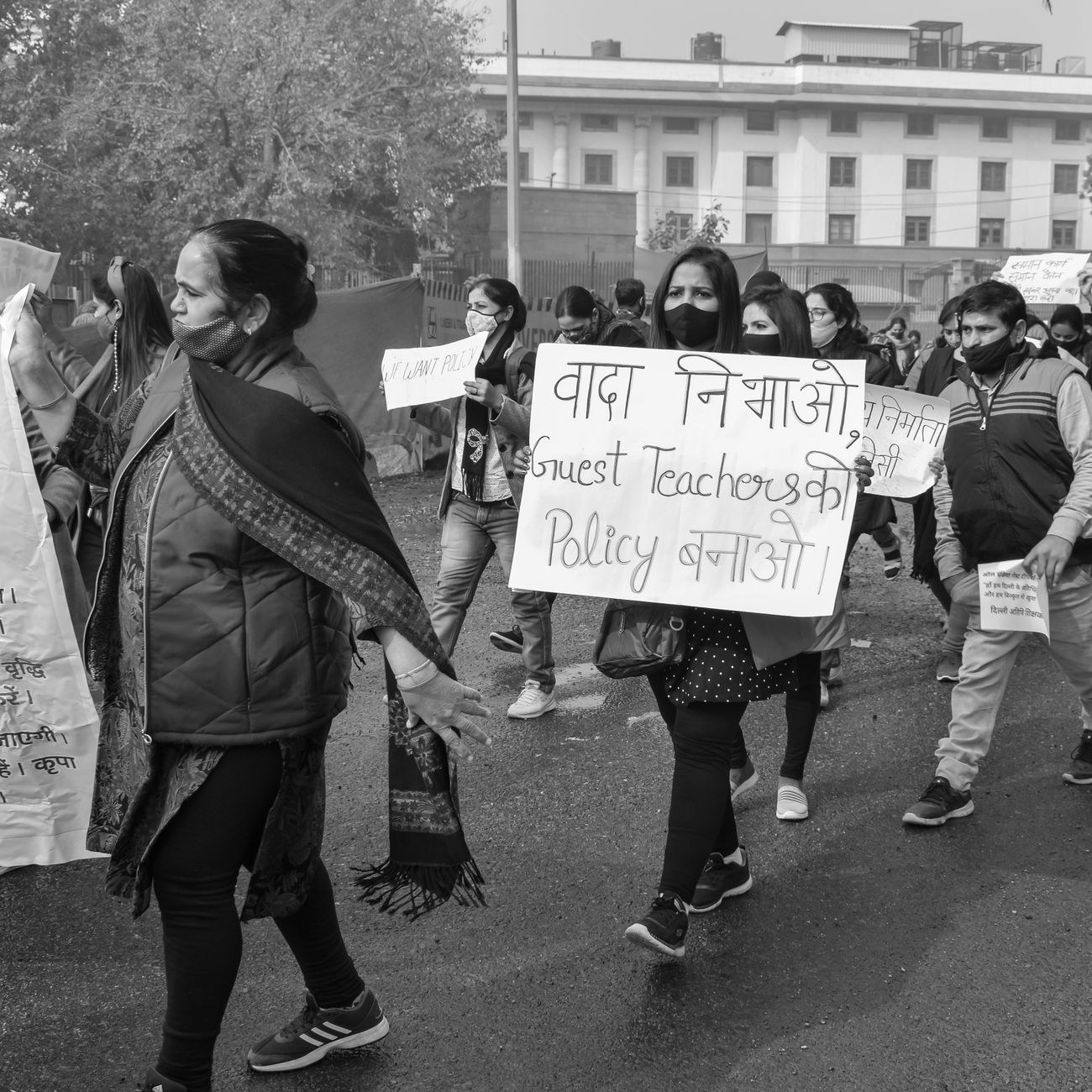
Student protests have emerged as a powerful force for change in India's education landscape, demonstrating that the country's youth are no longer willing to accept examination systems they consider flawed or unfair. The resignation of an education minister following widespread demonstrations marks a significant moment in Indian education politics, underscoring the government's responsiveness to sustained public pressure on education matters.
The Power of Student Mobilization
India has a long history of student activism, from the independence movement to contemporary issues. However, the current wave of protests represents a new chapter where digital connectivity allows students across the country to coordinate efforts and amplify their voices through social media platforms. This interconnectedness has made it increasingly difficult for authorities to ignore student grievances about examination policies.
The protests reflect deep-seated concerns about India's examination culture, which many critics argue places excessive emphasis on rote memorization rather than critical thinking and practical skills. Students have become vocal advocates for more holistic assessment methods that better prepare them for real-world challenges.
Key Issues Driving Reform Demands
Several factors have contributed to the groundswell of student discontent with current examination systems:
- Allegations of paper leaks and cheating scandals that undermine the credibility of competitive examinations
- Technical glitches during online examinations that disadvantage students in regions with poor internet connectivity
- Rigid examination schedules that fail to account for local circumstances or emergencies
- Limited opportunities for re-examination or grade improvement
- Concerns about the mental health impact of high-stakes testing environments
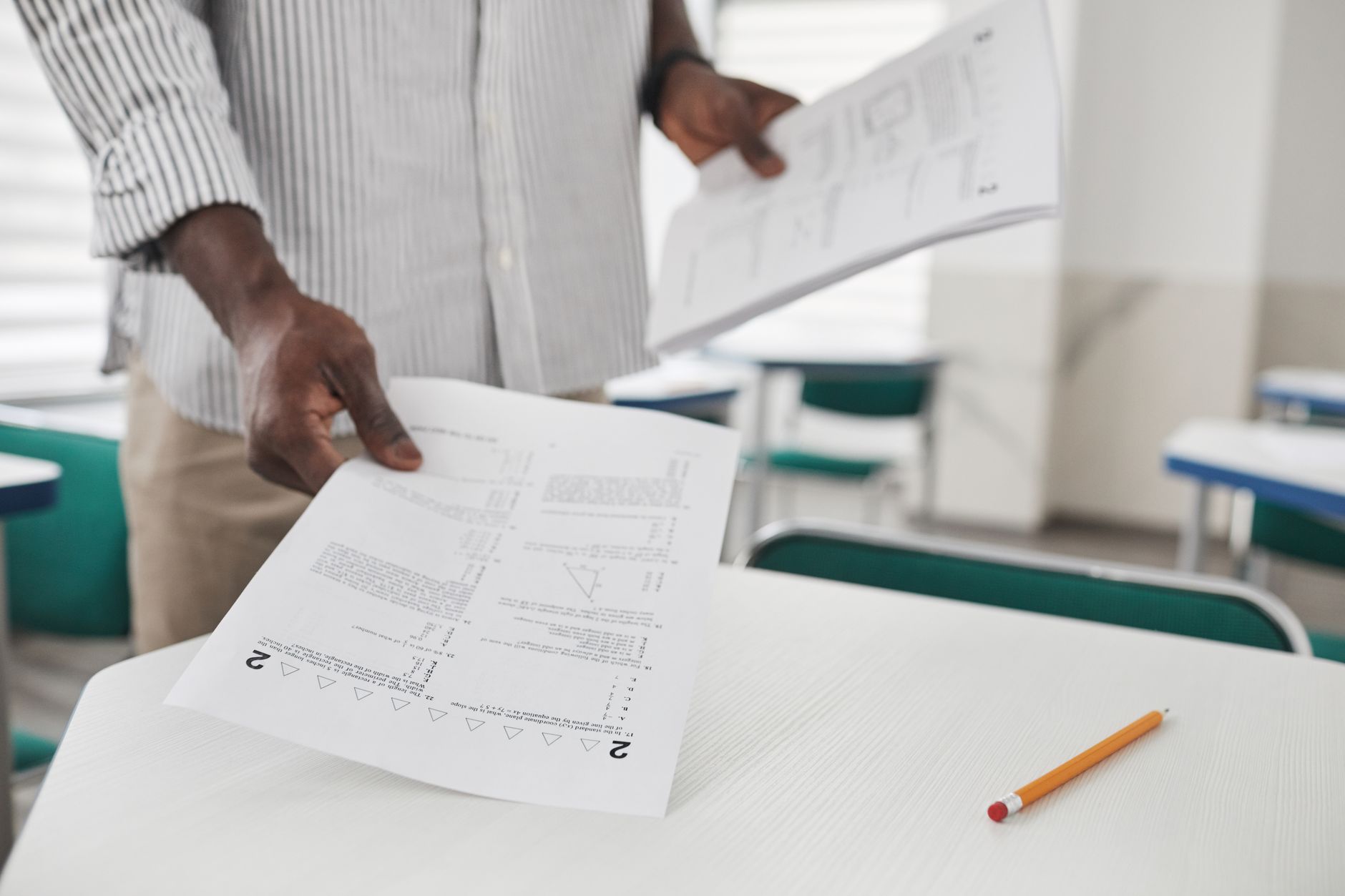
The frequency of examination irregularities has particularly eroded trust in the system. When students invest years of preparation for competitive exams that determine college admissions and career opportunities, any perception of unfairness generates intense frustration.
The Minister's Resignation and Its Significance
A cabinet minister's resignation over education policy is relatively rare in Indian politics, making this development particularly noteworthy. Such resignations typically occur only when public pressure becomes impossible to ignore or when the government determines that leadership change is necessary to restore confidence in the system.
The minister's departure sends a clear message that accountability extends to the highest levels when education policies fail students. It also provides the government with an opportunity to reset its approach and demonstrate commitment to addressing student concerns.
Reforms Being Implemented
In response to the protests, education authorities have announced several reform measures designed to address the most pressing concerns:
- Enhanced security protocols for examination papers to prevent leaks
- Improved technical infrastructure for online examinations
- Development of backup systems to handle technical failures
- Review of examination schedules to provide more flexibility
- Establishment of dedicated helplines for students facing examination-related issues
- Greater transparency in the examination process and result calculation
Some states are also exploring more fundamental reforms, including reducing the weightage of board examinations in college admissions and introducing continuous assessment models that evaluate students throughout the academic year rather than solely through final examinations.
Broader Implications for Education Policy
The success of these student protests in forcing policy changes demonstrates that India's education system is entering a new era of stakeholder participation. Students are no longer passive recipients of education policy but active participants in shaping it.
This shift could have long-term benefits for the education system. When students feel heard and can influence policies that affect them, they develop a greater sense of ownership and engagement with their education. Additionally, student feedback provides valuable insights that policymakers might otherwise overlook.
However, the challenge for authorities is to balance legitimate student concerns with the need for standardized assessments that maintain academic standards and provide fair comparison across millions of students competing for limited university seats and job opportunities.
The Road Ahead
While the minister's resignation and announced reforms represent progress, sustained change requires ongoing commitment from all stakeholders. Students, educators, policymakers, and parents must work together to create an examination system that assesses knowledge and skills fairly while minimizing unnecessary stress and maintaining integrity.
The current moment presents an opportunity to reimagine India's approach to educational assessment, potentially moving toward models that better serve the country's diverse student population and prepare young people for the challenges of the 21st century economy.
The effectiveness of these reforms will ultimately be judged by whether they restore student confidence in the examination system and reduce the irregularities that sparked the protests in the first place.