Maharashtra has emerged as the focal point of India's tourism revival strategy, with state officials presenting an ambitious roadmap at the WOW Awards Asia that positions the region as a multi-faceted destination capable of competing on the global stage. The presentation marks a significant shift in how Indian states are approaching international tourism marketing, moving beyond traditional leisure travel to embrace high-value segments including business events, luxury weddings, and heritage experiences.
The MICE Travel Push
MICE travel—encompassing Meetings, Incentives, Conferences, and Exhibitions—represents one of the fastest-growing segments in global tourism, with business travelers typically spending three to four times more than leisure tourists. Maharashtra's infrastructure advantages, including Mumbai's international connectivity and Pune's emerging tech hub status, position it naturally for this market. The state already hosts numerous international conferences and corporate events, but the new initiative aims to double this business by 2026.
Major convention centers, premium hotels, and unique venues across Maharashtra are being packaged together to offer event planners diverse options. The strategy includes everything from beachfront conferences in Alibaug to heritage venues in Aurangabad, giving planners the flexibility to combine business programming with memorable experiences that keep India top-of-mind for future events.
Destination Weddings Take Center Stage
India's destination wedding industry has exploded in recent years, valued at over USD 3 billion annually, and Maharashtra is positioning itself to capture a larger share of this lucrative market. The state offers remarkable diversity for wedding planners: palatial heritage properties in former royal capitals, luxury beach resorts along the Konkan coast, vineyard estates in Nashik, and urban sophistication in Mumbai.
The appeal extends beyond domestic celebrations to international couples seeking exotic locations. Maharashtra's relatively liberal regulations, well-developed hospitality sector, and experience handling large-scale events make it particularly attractive. Recent infrastructure improvements, including better road connectivity to rural heritage sites and upgraded airport facilities, have made previously difficult-to-reach venues more accessible for guests traveling from around the world.
UNESCO Heritage Sites as Tourism Anchors
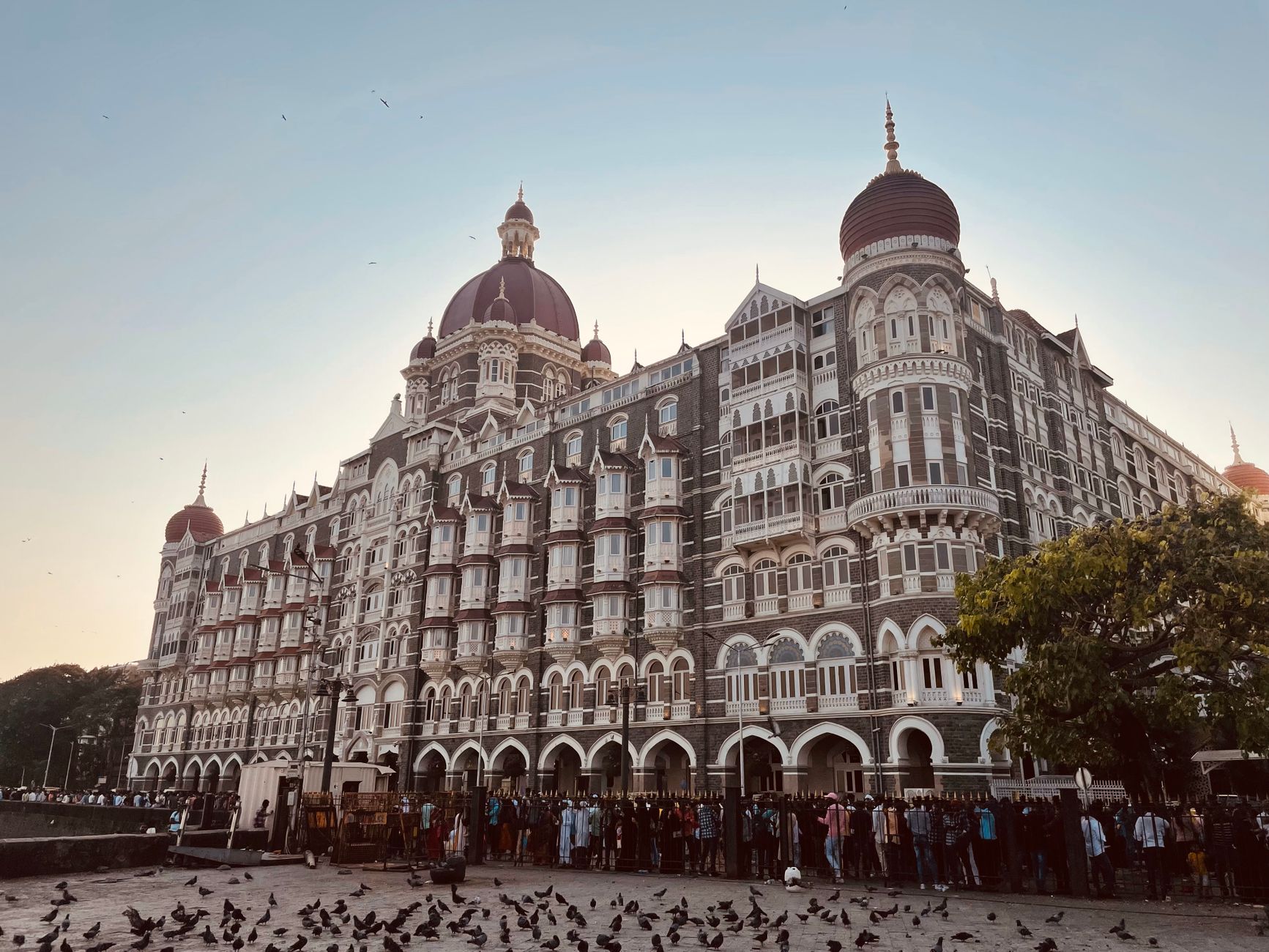
Maharashtra boasts multiple UNESCO World Heritage Sites that form the backbone of its cultural tourism strategy. The Ajanta and Ellora Caves, featuring ancient Buddhist, Hindu, and Jain rock-cut monuments, attract history enthusiasts from across the globe. The Victorian Gothic and Art Deco Ensembles of Mumbai represent more recent heritage, showcasing colonial-era architecture that tells the story of India's modern development.
The Chhatrapati Shivaji Maharaj Terminus, one of Mumbai's most iconic railway stations, exemplifies how working infrastructure can simultaneously serve daily commuters and international tourists. By developing experiential programming around these sites—including guided tours, light-and-sound shows, and cultural performances—Maharashtra aims to increase both visitor numbers and dwell time, encouraging tourists to explore beyond single-day visits.
Strategic Timing for 2026 Goals
The 2026 timeline aligns with several factors working in India's favor. Global tourism is rebounding strongly post-pandemic, with travelers seeking new destinations beyond traditional European and American circuits. India's growing economy means more domestic travelers with disposable income, while improved international perceptions of India as a tourist destination create momentum for states like Maharashtra.
Infrastructure projects currently underway—including coastal road developments, airport expansions, and heritage site renovations—are scheduled for completion by 2025-2026, perfectly timing physical readiness with marketing efforts. Additionally, the state government has indicated plans for streamlined visa processes and tourist-friendly regulations that remove historical friction points for international visitors.
Integration with National Tourism Strategy
Maharashtra's initiative doesn't operate in isolation. It complements national "Incredible India" campaigns while leveraging the state's specific advantages. Mumbai serves as India's financial capital and a major international gateway, meaning many global visitors already pass through the city. The strategy aims to convert transit passengers into destination tourists by highlighting experiences available within Maharashtra.
The multi-pronged approach—simultaneously targeting business travelers, wedding planners, heritage tourists, and leisure visitors—creates natural synergies. A business traveler attending a Mumbai conference might return with family for a leisure trip, or a couple hosting their destination wedding might recommend the location to friends.
This coordinated push by Maharashtra could serve as a blueprint for other Indian states seeking to compete internationally, potentially transforming how India positions itself in the global tourism marketplace over the coming decade.