The sixth round of the National Family Health Survey (NFHS-6) has unveiled a complex picture of India's health landscape, showcasing significant achievements in traditional health metrics while simultaneously flagging alarming trends in non-communicable diseases. This comprehensive household survey, conducted periodically across the country, serves as a crucial barometer for measuring health outcomes and guiding policy interventions.
Progress in Maternal and Child Health
India has made notable strides in reducing maternal and infant mortality rates, reflecting improved access to healthcare services and better nutritional support for mothers and children. The survey data indicates that more women are receiving adequate antenatal care, with increased institutional deliveries contributing to safer childbirth outcomes.
Immunization coverage has expanded significantly, with a higher percentage of children receiving essential vaccinations against preventable diseases. This progress can be attributed to strengthened primary healthcare infrastructure and targeted government programmes like Mission Indradhanush, which focuses on reaching underserved populations.
Child nutrition indicators show modest improvements, though malnutrition remains a persistent challenge in certain regions. The proportion of underweight children has decreased, suggesting better awareness about infant feeding practices and nutrition supplementation programmes. Breastfeeding rates, particularly exclusive breastfeeding during the first six months, have also shown positive movement.
The Rising Tide of Lifestyle Diseases
Despite gains in traditional health parameters, the NFHS-6 data reveals concerning trends in non-communicable diseases (NCDs) that reflect India's changing demographic and lifestyle patterns. Diabetes, hypertension, and obesity rates have registered upward trajectories across various age groups and geographies.
Hypertension prevalence has increased substantially among adults, with many cases remaining undiagnosed or inadequately managed. This silent epidemic poses significant risks for cardiovascular complications and stroke, placing additional burden on the healthcare system.
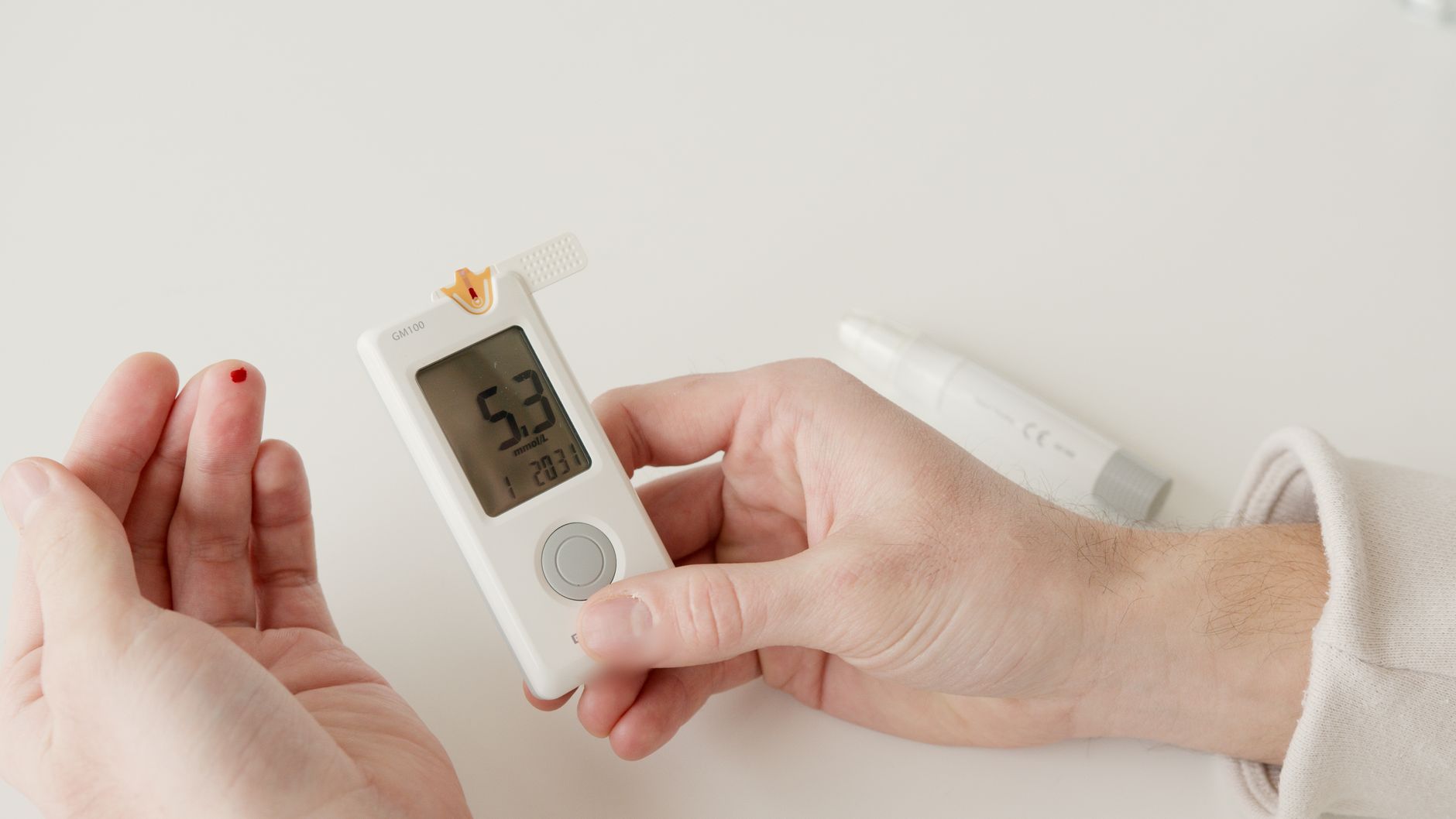
Blood sugar levels indicate a growing diabetes crisis, affecting both urban and rural populations. The condition is no longer confined to affluent urban centres but has penetrated rural areas, driven by dietary changes, reduced physical activity, and genetic predisposition among Indians.
Obesity and overweight conditions have become more prevalent, particularly in urban settings. The traditional Indian diet, once characterized by whole grains and vegetables, has given way to processed foods, refined carbohydrates, and sugar-laden beverages in many households.
Regional Variations and Disparities
The survey highlights persistent regional inequalities in health outcomes. While southern and western states generally demonstrate better health indicators, certain northern and eastern states continue to lag behind in several parameters. These disparities reflect variations in healthcare infrastructure, literacy levels, and socioeconomic development.
Urban-rural divides remain evident, though the gap has narrowed in some areas. Rural populations still face challenges accessing specialized healthcare services, though basic maternal and child health services have become more widely available.
Implications for Healthcare Policy
These findings underscore the dual burden facing India's healthcare system – addressing unfinished agendas in maternal and child health while simultaneously tackling the rising wave of lifestyle diseases. This transition mirrors patterns observed in other developing economies undergoing rapid urbanization and economic growth.
Policymakers face the challenge of allocating resources effectively across competing priorities. Strengthening primary healthcare to screen for and manage NCDs early, while maintaining momentum in maternal and child health programmes, requires innovative approaches and increased investment.
Prevention and Awareness
The rise in lifestyle diseases emphasizes the urgent need for preventive healthcare measures and public health awareness campaigns. Promoting physical activity, healthy eating habits, and regular health screenings can help identify at-risk individuals before conditions become severe.
Workplace wellness programmes, school-based health education, and community-level interventions could play crucial roles in addressing these trends. Taxation policies on unhealthy foods and beverages, along with regulations on food labeling, may also contribute to healthier consumption patterns.
The NFHS-6 findings serve as both a celebration of progress and a wake-up call. While India can take pride in improvements to maternal and child health, the growing burden of lifestyle diseases demands immediate attention and coordinated action across government, healthcare providers, and civil society to ensure a healthier future for all Indians.
This article provides general information about health survey findings and should not be considered medical advice. Readers should consult qualified healthcare professionals for personal health concerns and medical guidance.