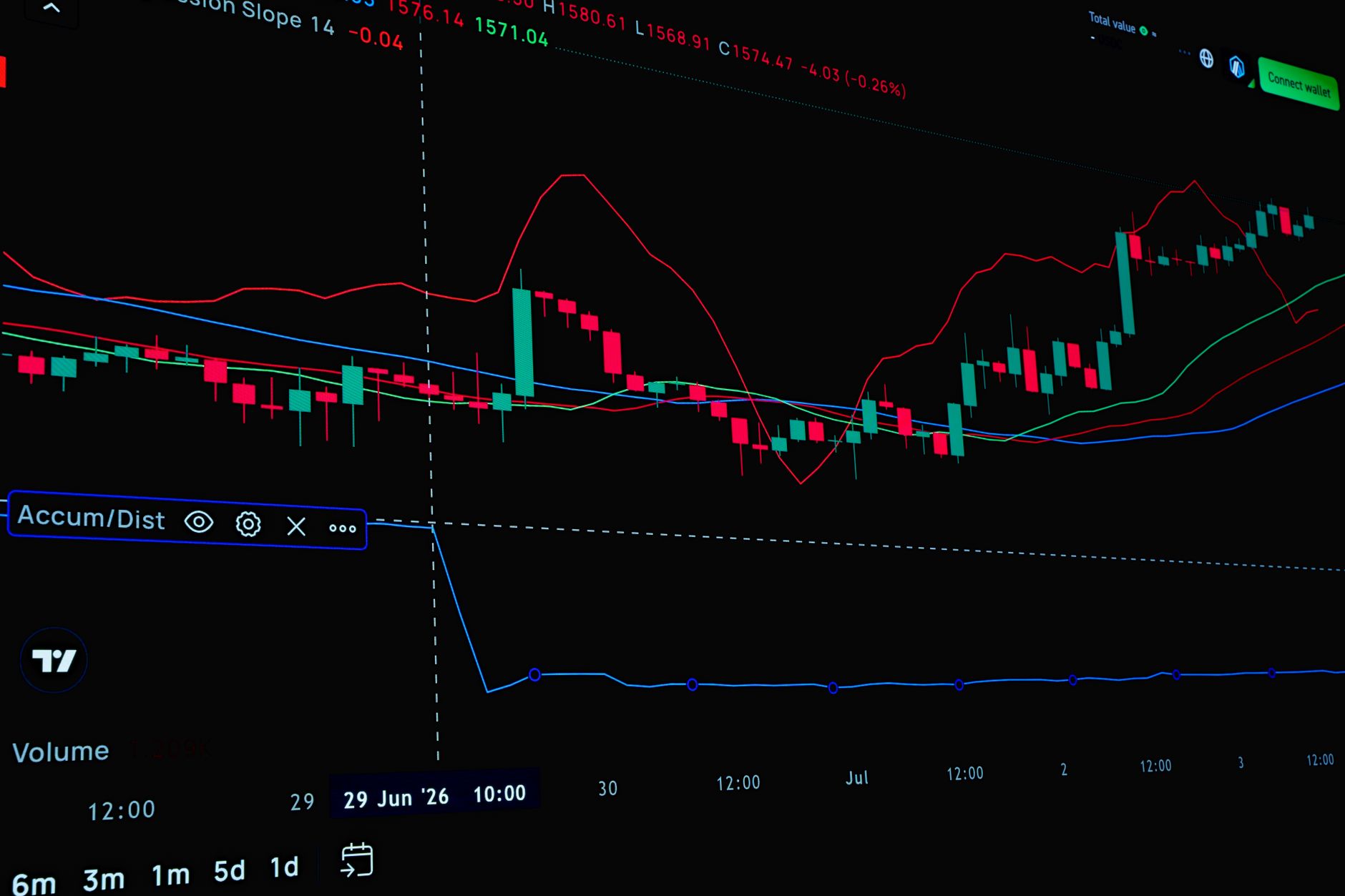
The Indian stock market continues to attract attention from investors worldwide, and recent expert forecasts suggest that the benchmark Nifty 50 index could be heading toward fresh all-time highs by the end of 2026. This optimistic outlook comes from senior market analysts who point to several fundamental factors supporting India's equity markets over the medium term.
Understanding the Nifty 50 Index
The Nifty 50 is India's premier stock market index, comprising 50 of the largest and most liquid companies listed on the National Stock Exchange (NSE). It represents approximately 66% of the free-float market capitalisation of the NSE and serves as a key barometer of the Indian economy's health. Major constituents include industry giants like Reliance Industries, HDFC Bank, Infosys, and Tata Consultancy Services.
For context, the Nifty 50 has demonstrated remarkable resilience over the past decade, recovering from various global and domestic challenges including the COVID-19 pandemic, geopolitical tensions, and interest rate cycles.
Factors Supporting the Bullish Outlook
Several structural and cyclical factors underpin the optimistic forecast for India's equity markets through 2026.
India's economic growth trajectory remains one of the strongest among major economies globally. With GDP growth projections hovering around 6-7% annually, the country benefits from a young demographic profile, rising middle class, and increasing digital penetration. These fundamentals create a conducive environment for corporate profit growth.
The government's continued focus on infrastructure development, manufacturing incentives through schemes like Production Linked Incentive (PLI), and reforms aimed at improving the ease of doing business are expected to boost corporate earnings. When companies grow their profits, stock prices typically follow suit over time.
Domestic institutional investors and retail participation in equity markets have surged in recent years. The systematic investment plan (SIP) culture has become deeply embedded, with monthly SIP contributions reaching record levels. This consistent inflow of domestic capital provides stability and reduces volatility compared to markets heavily dependent on foreign institutional investors.
Sectors to Watch
Certain sectors appear particularly well-positioned to drive index performance over the next few years.
Financial services, which carry significant weight in the Nifty 50, stand to benefit from credit growth as the economy expands. Banking, insurance, and non-banking financial companies may see improved asset quality and lending volumes.
Technology and IT services companies continue to be integral to global digital transformation initiatives. Despite short-term headwinds, the long-term demand for technology services remains robust.
Infrastructure and capital goods sectors are likely to benefit from government spending on roads, railways, ports, and renewable energy projects. The push toward green energy and electric vehicles could create new growth avenues.
Risks and Considerations
While the outlook appears positive, investors should remain mindful of potential headwinds.
Global economic conditions, including monetary policy decisions by major central banks, can significantly impact emerging market equities. Interest rate movements in developed economies often influence foreign investment flows into Indian markets.
Geopolitical uncertainties, commodity price fluctuations (particularly crude oil), and currency movements can affect corporate margins and overall market sentiment.
Valuation levels also merit attention. Indian equity markets have historically traded at premium valuations compared to other emerging markets. If earnings growth doesn't meet expectations, valuations could compress, limiting upside potential.
What This Means for Investors
For individual investors, such forecasts should be viewed as part of a broader investment strategy rather than a timing tool for market entry or exit.
A long-term investment horizon remains crucial when investing in equities. Markets can be volatile in the short term, but historically have rewarded patient investors over extended periods.
Diversification across sectors, market capitalisations, and asset classes helps manage risk. Not all stocks within the Nifty 50 will perform uniformly, and broader market participation matters.
Regular investing through systematic investment plans can help investors average their purchase cost and remove the pressure of timing the market perfectly. This approach is particularly suitable for those building wealth over multiple years.
Investors should align their equity allocation with their risk tolerance, financial goals, and investment timeline. Those nearing retirement or with short-term financial needs should maintain appropriate debt and liquid asset allocations regardless of bullish market forecasts.
This article is for informational purposes only and should not be construed as investment advice. Market forecasts are inherently uncertain, and past performance does not guarantee future results. Investors should conduct their own research and consult with qualified financial advisors before making investment decisions.