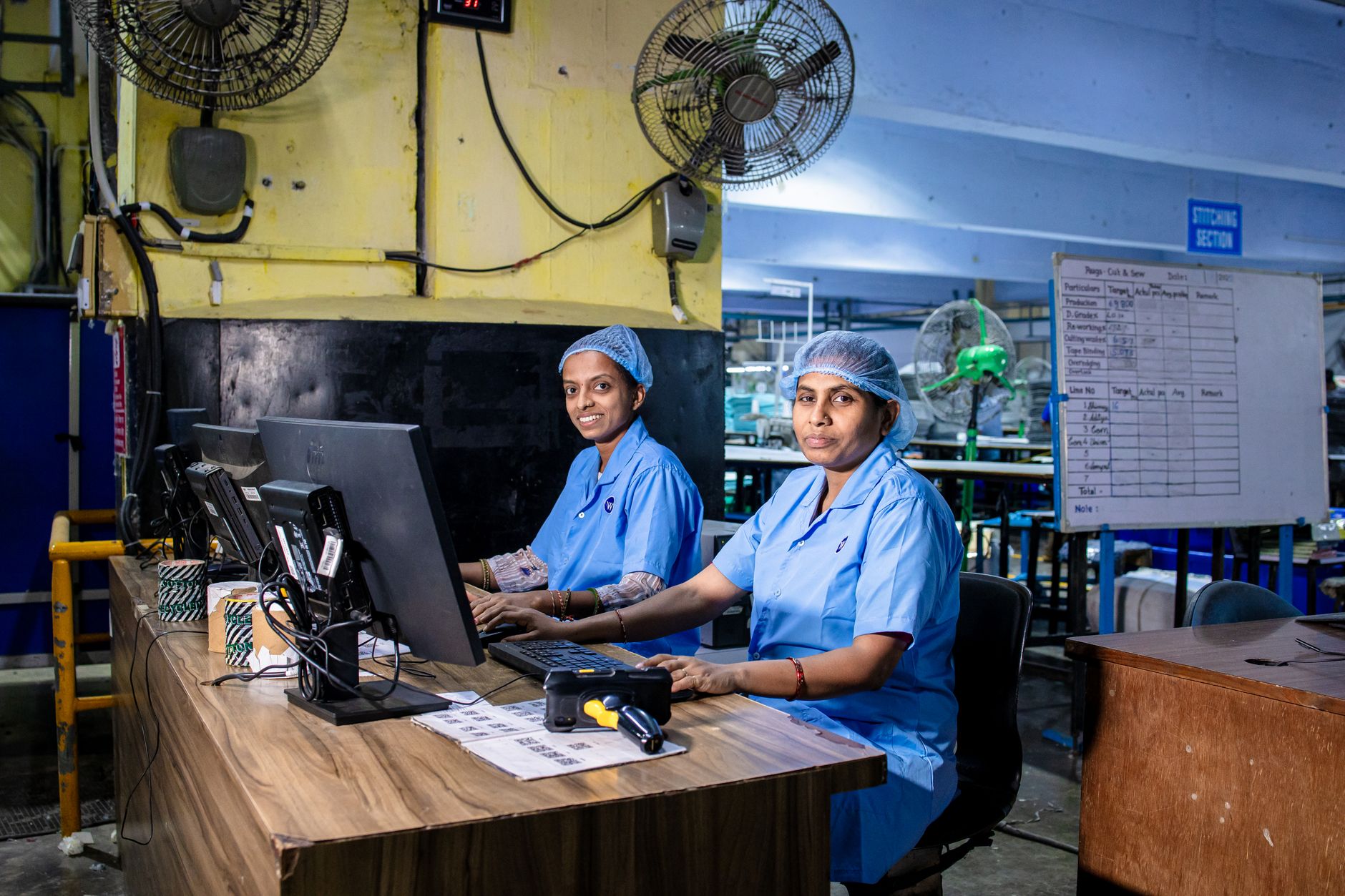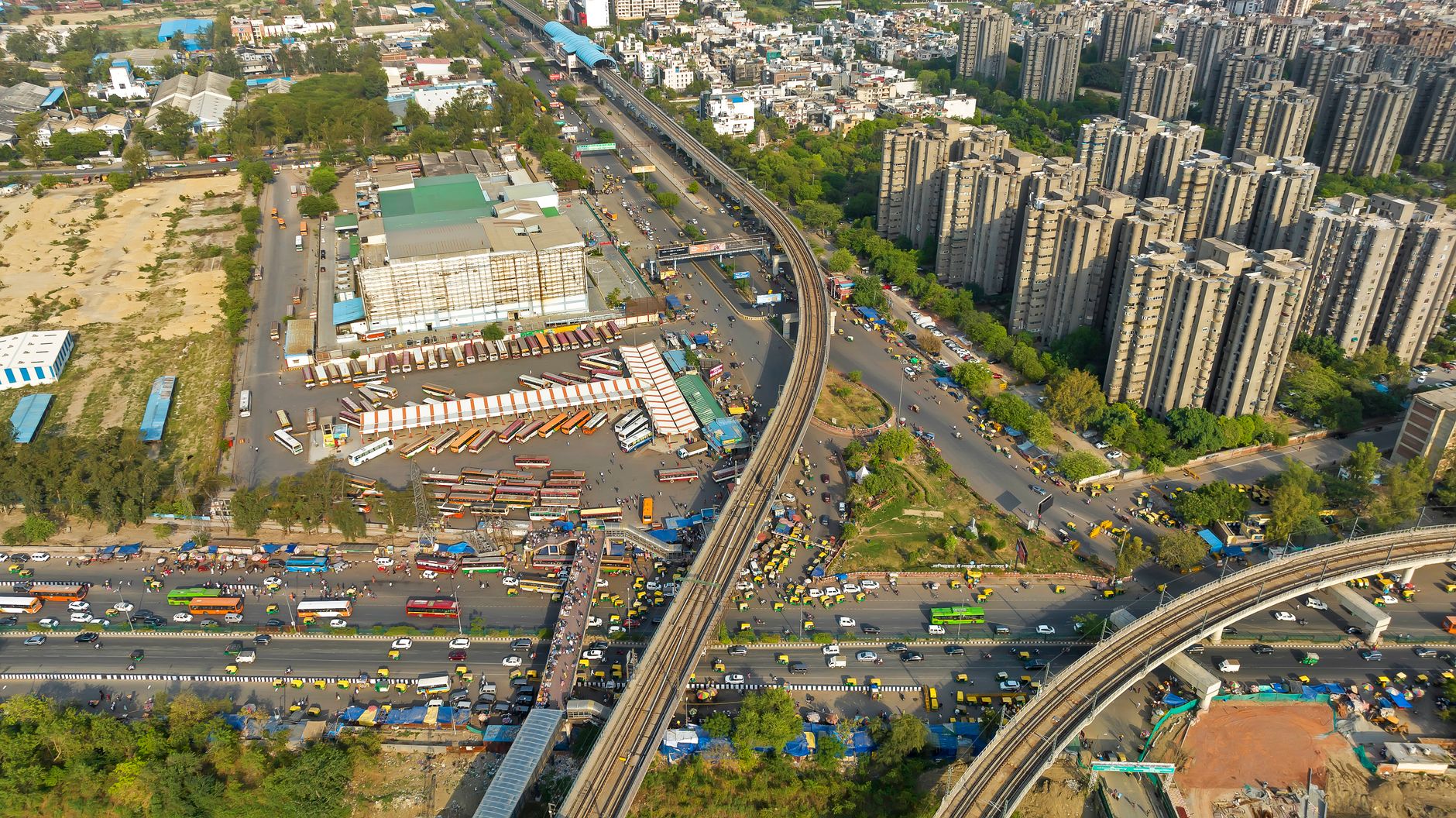
India's employment landscape is undergoing a significant transformation as non-metropolitan cities emerge as powerful engines of job creation. Cities like Visakhapatnam, Surat, Coimbatore, Jaipur, and Kochi are no longer just satellite towns but have become formidable employment hubs in their own right, challenging the traditional dominance of metros like Mumbai, Delhi, and Bangalore.
The Shifting Geography of Opportunities
The rise of non-metro cities as job creators marks a departure from decades of employment concentration in major metropolitan areas. These smaller cities are witnessing robust growth across multiple sectors including manufacturing, information technology, pharmaceuticals, textiles, and business process outsourcing. Visakhapatnam, for instance, has strengthened its position with its port-based economy and pharmaceutical manufacturing cluster, while Surat continues to be the diamond and textile capital employing hundreds of thousands.
This geographic diversification of employment is driven by several factors. Companies are increasingly looking beyond saturated metro markets to reduce operational costs, particularly in real estate and wages. The availability of skilled talent pools in tier-2 and tier-3 cities, coupled with improved infrastructure, has made expansion into these markets both feasible and attractive.
Cost Advantages Fueling the Shift
One of the primary drivers behind this trend is the significant cost differential between metros and non-metros. Office space rentals in cities like Indore or Chandigarh can be 40-60 percent lower than equivalent spaces in Mumbai or Bangalore. Similarly, salary expectations in non-metro locations tend to be 20-30 percent lower while offering employees better purchasing power due to lower living costs.
This cost arbitrage is particularly attractive to startups and small to medium enterprises that need to manage cash flows carefully. Even large corporations are establishing centers of excellence in these cities to optimize their cost structures while tapping into local talent pools.
Government Initiatives and Infrastructure Development
Central and state government initiatives have played a crucial role in this transformation. The Smart Cities Mission, industrial corridor projects, and state-specific investment promotion schemes have channeled billions of rupees into infrastructure development in non-metro areas. Improved connectivity through new airports, expanded rail networks, and better road infrastructure has reduced the geographic isolation that previously hindered these cities.
Special economic zones and industrial parks in cities like Ahmedabad, Pune, and Nagpur have created ready-to-use infrastructure for companies, eliminating one of the major barriers to expansion. Additionally, state governments have offered attractive incentives including tax breaks and subsidized land to attract investment.
Technology Enabling Decentralization
The technology sector's embrace of remote and hybrid work models, accelerated by the pandemic, has further enabled this geographic dispersion of jobs. Many IT and IT-enabled services companies have established development centers in cities like Thiruvananthapuram, Mysore, and Vadodara. These locations offer access to engineering talent from local universities while providing employees the option to work in their hometowns rather than migrating to Bangalore or Hyderabad.
Challenges and Opportunities
Despite the positive momentum, non-metro cities face certain challenges in sustaining this growth. The availability of specialized talent in niche domains remains limited compared to established metros. Educational and training infrastructure needs continuous upgrading to meet industry demands. Additionally, lifestyle amenities, entertainment options, and quality healthcare facilities are still catching up with metro standards.
However, these challenges also present opportunities. The growing employment base is attracting investments in supporting infrastructure including educational institutions, hospitals, shopping centers, and entertainment venues. This creates a virtuous cycle where better amenities attract more professionals, which in turn brings more companies.
Impact on Local Economies
The employment boom in non-metro cities has broader implications for local economies. Increased job opportunities reduce migration to metros, helping families stay together and reducing the strain on urban infrastructure in major cities. Local consumption grows as disposable incomes rise, benefiting retail, real estate, and service sectors. Property markets in these cities have seen appreciation as demand from working professionals increases.
The Road Ahead
The trend of non-metros driving job creation appears sustainable for the foreseeable future. As companies continue seeking cost optimization and geographic diversification, and as infrastructure development continues, these cities are well-positioned to capture an increasing share of India's employment growth. For job seekers, this means expanding horizons beyond traditional metros and considering the attractive combination of career opportunities and quality of life that non-metro cities increasingly offer.
The redistribution of employment across India's urban landscape represents not just an economic shift but a social transformation that could lead to more balanced regional development and reduced pressure on overwhelmed metropolitan infrastructure.