In a significant cabinet reshuffle, Union Minister Pralhad Joshi has been appointed as India's new Education Minister, taking over the crucial portfolio from Dharmendra Pradhan who recently tendered his resignation. This change in leadership comes at a pivotal time for India's education sector, which is undergoing major transformations under the National Education Policy 2020.
Who is Pralhad Joshi?
Pralhad Venkatesh Joshi is a seasoned politician from Karnataka who has held various important portfolios in the Union Cabinet. A member of the Bharatiya Janata Party (BJP), Joshi has represented the Dharwad constituency in Karnataka in the Lok Sabha. Prior to this appointment, he has served in portfolios including Parliamentary Affairs, Coal, and Mines, demonstrating his administrative capabilities across diverse sectors.
Known for his organizational skills and consensus-building abilities, Joshi brings considerable experience in managing complex ministries. His background in parliamentary affairs could prove particularly valuable in navigating education reforms that require legislative support and stakeholder coordination.
Dharmendra Pradhan's Tenure and Legacy
Dharmendra Pradhan's resignation marks the end of a notable tenure during which the Education Ministry focused heavily on implementing the National Education Policy (NEP) 2020. Under his leadership, the ministry launched several initiatives aimed at modernizing India's education system, including:
- Digital education expansion through platforms like DIKSHA and SWAYAM
- Emphasis on vocational education and skill development
- Integration of technology in classroom teaching
- Promotion of Indian languages and regional medium instruction
- Reforms in higher education including the establishment of the Higher Education Commission of India
The circumstances surrounding Pradhan's resignation have not been detailed in official communications, but such cabinet changes are routine in Indian politics and often reflect broader strategic considerations by the government.
Challenges Ahead for the New Education Minister
Pralhad Joshi inherits a ministry facing several pressing challenges that require immediate attention and long-term strategic planning. The education sector continues to grapple with post-pandemic recovery issues, infrastructure gaps, and the ongoing implementation of comprehensive reforms.
One of the primary challenges will be ensuring the effective rollout of NEP 2020 across states, many of which are at different stages of implementation. The policy envisions fundamental changes to curriculum structure, examination patterns, and the overall educational framework from foundational to higher education levels.
Key Priority Areas
The new Education Minister will need to focus on several critical areas to maintain momentum in the sector's transformation:
Infrastructure development remains a significant concern, particularly in rural and semi-urban areas where schools lack basic facilities. The government's commitment to improving school infrastructure, including digital connectivity, will require sustained budgetary allocation and monitoring.
Teacher training and capacity building represent another crucial priority. As the education system transitions to new pedagogical approaches emphasizing critical thinking, experiential learning, and multidisciplinary education, ensuring teachers are adequately prepared becomes essential.
Higher education reforms, including the implementation of the Academic Bank of Credits and multiple entry-exit options, need careful execution to avoid confusion among students and institutions. The establishment of regulatory frameworks that balance autonomy with accountability will be critical.
Digital Education and Technology Integration
The acceleration of digital education during the pandemic has created both opportunities and challenges. While online learning platforms have expanded access, the digital divide remains a significant barrier for students from disadvantaged backgrounds. Addressing connectivity issues, providing devices, and creating quality digital content in multiple languages will require focused attention.
Stakeholder Expectations
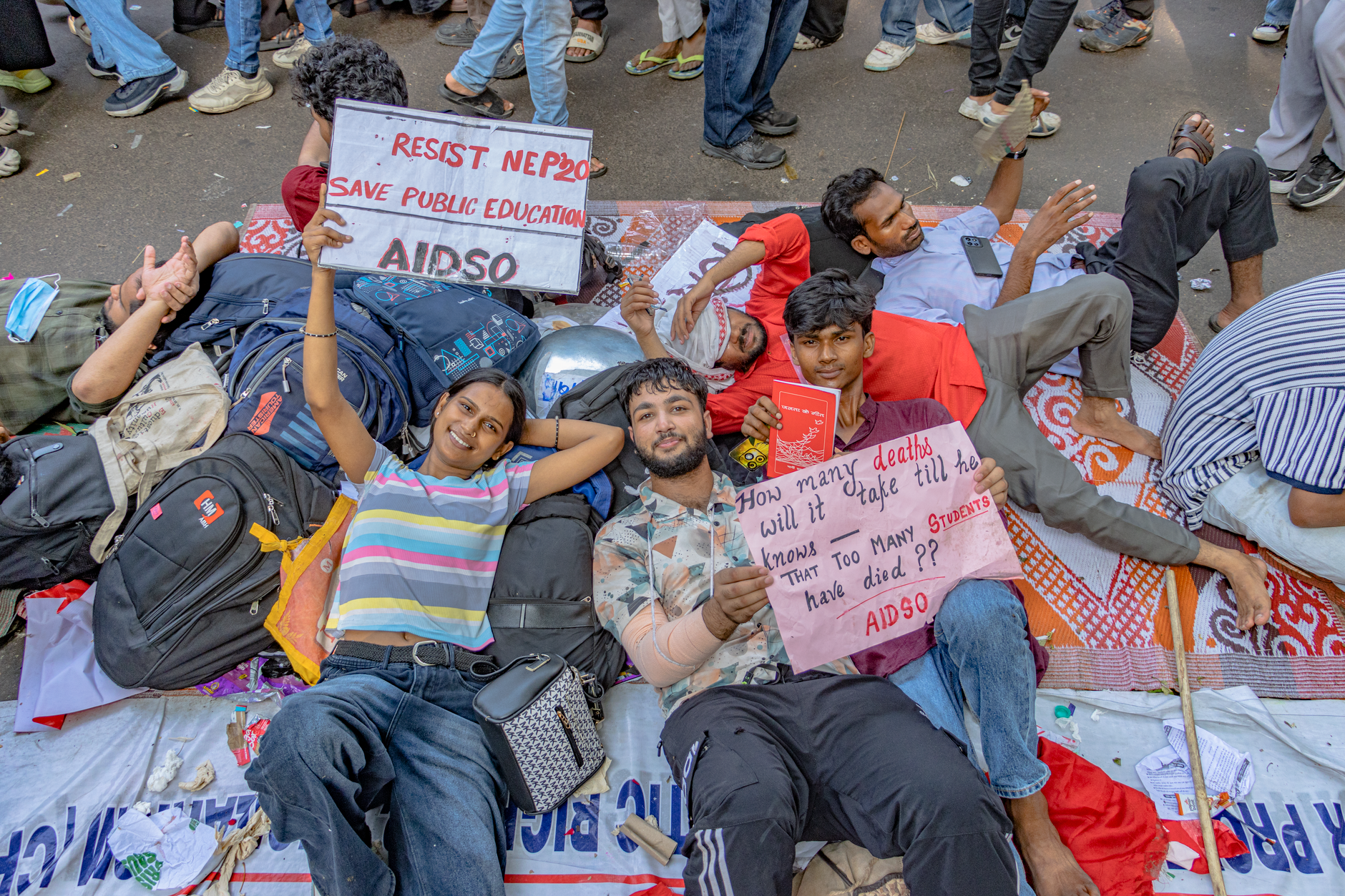
Various education stakeholders, including teachers' unions, student organizations, and institutional bodies, will be watching closely to see how the new minister approaches ongoing concerns. Issues such as examination reforms, reservation policies in educational institutions, and funding for research and innovation are likely to be areas requiring diplomatic handling and clear policy direction.
The education sector also faces the challenge of aligning with India's aspirations for becoming a global knowledge hub while ensuring inclusive access and quality education for all segments of society. Balancing excellence with equity will be a defining challenge for Joshi's tenure.
As Pralhad Joshi assumes charge of this vital ministry, his ability to build consensus, manage implementation challenges, and drive innovation in India's education system will be closely observed by millions of students, parents, and educators across the country.