India's drug regulatory authority has granted approval for QDENGA, a new dengue vaccine that represents a major advancement in the fight against a disease that has plagued the subcontinent for decades. This approval comes at a critical time when dengue cases continue to rise across Indian states, placing enormous strain on healthcare systems and affecting millions of lives each year.
Understanding the Dengue Burden in India
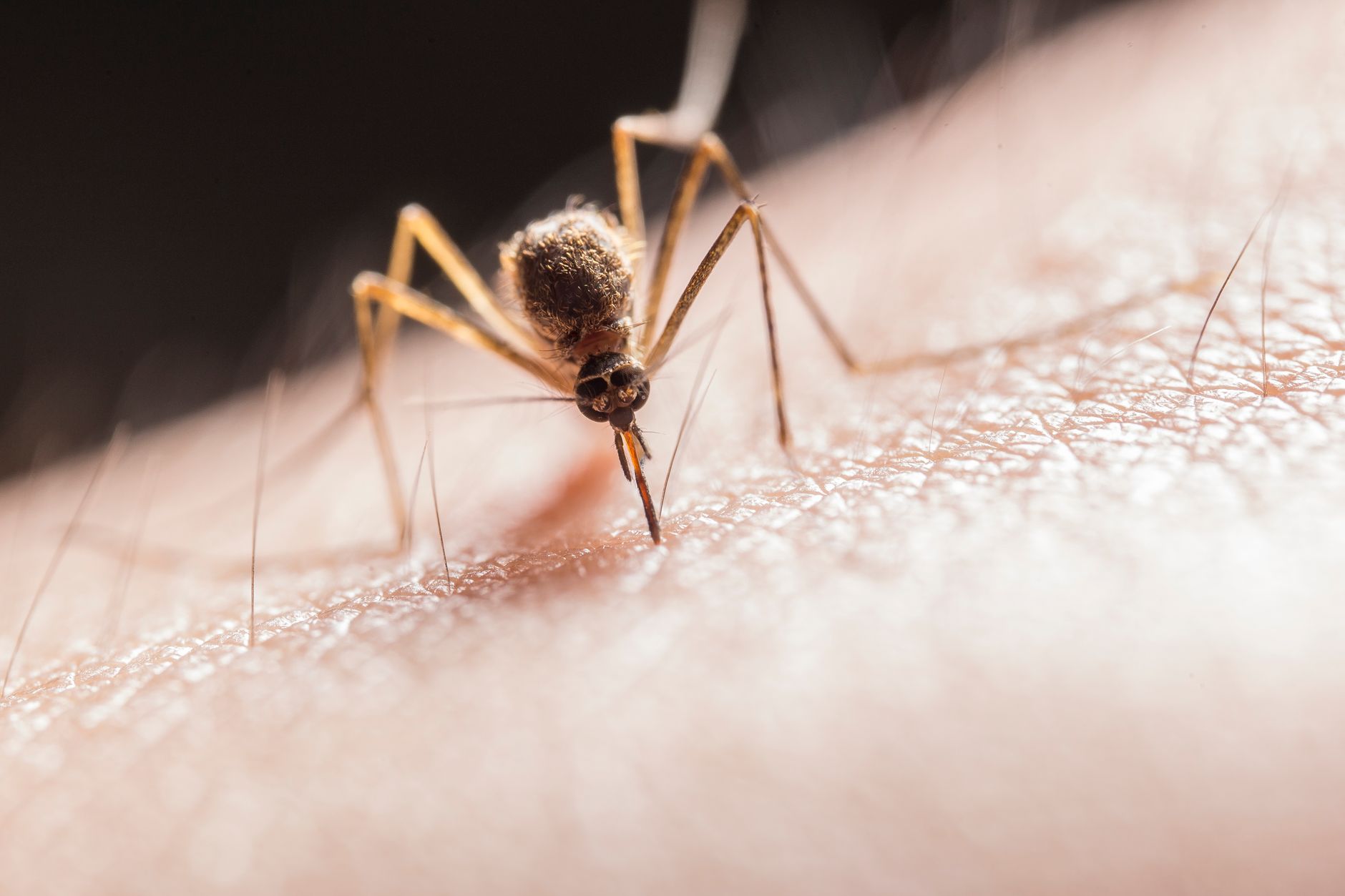
Dengue fever remains one of India's most significant public health challenges. The mosquito-borne viral infection, transmitted primarily by Aedes aegypti mosquitoes, affects an estimated 100-400 million people globally each year, with India accounting for a substantial portion of these cases. The disease causes high fever, severe headache, pain behind the eyes, joint and muscle pain, and in severe cases can lead to dengue hemorrhagic fever or dengue shock syndrome, both potentially fatal complications.
India's tropical climate, rapid urbanization, inadequate waste management, and inconsistent water supply create ideal breeding conditions for dengue-carrying mosquitoes. Seasonal outbreaks typically peak during and after monsoon seasons, overwhelming hospitals and clinics in affected regions.
What Makes QDENGA Different
QDENGA, developed by Takeda Pharmaceutical Company, is a live-attenuated tetravalent dengue vaccine designed to protect against all four dengue virus serotypes (DEN-1, DEN-2, DEN-3, and DEN-4). This comprehensive protection is crucial because infection with one serotype does not provide immunity against the others, and subsequent infections with different serotypes can actually increase the risk of severe disease.
The vaccine uses a weakened form of the DEN-2 virus as a backbone, with genetic components from the other three serotypes incorporated to provide broad protection. This approach differs from previous vaccination strategies and has shown promising results in clinical trials conducted across dengue-endemic regions.
Clinical Evidence and Efficacy
Large-scale clinical trials involving over 20,000 participants across dengue-endemic countries have demonstrated QDENGA's effectiveness in preventing dengue fever and hospitalization. The vaccine has shown particular promise in reducing severe dengue cases and hospitalizations, which are the primary concerns for healthcare systems dealing with outbreak situations.
Key findings from trials include:
- Protection against symptomatic dengue fever in a significant percentage of recipients
- Reduction in hospitalizations due to dengue infection
- Efficacy against all four dengue virus serotypes
- Safety profile acceptable for widespread use
- Protection sustained over multiple years of follow-up
Importantly, unlike some previous dengue vaccines, QDENGA has been approved for use in individuals regardless of prior dengue infection status, making vaccination programs simpler to implement.
Implementation Challenges and Considerations
While the approval is a positive step, implementing a successful dengue vaccination program in India faces several challenges. The vaccine requires two doses administered three months apart, necessitating robust tracking systems to ensure complete immunization. Storage and distribution logistics, particularly maintaining cold chain requirements in remote and rural areas, will require significant infrastructure investment.
Cost considerations will also play a crucial role in determining accessibility. For the vaccine to make a meaningful impact on India's dengue burden, it must be affordable and incorporated into public health programs, particularly in high-burden states like Tamil Nadu, Kerala, Karnataka, West Bengal, and Delhi.
The Road Ahead
The approval of QDENGA does not replace the need for continued vector control measures. Mosquito control through elimination of breeding sites, use of insecticides, community awareness programs, and personal protective measures like mosquito nets and repellents remain essential components of dengue prevention.
Public health experts emphasize that vaccination should be viewed as one tool in a comprehensive dengue control strategy. Surveillance systems for early outbreak detection, rapid diagnostic capabilities, and improved clinical management of severe cases must continue alongside vaccination efforts.
The vaccine's arrival also presents an opportunity for India to strengthen its overall approach to mosquito-borne diseases. Lessons learned from dengue vaccination programs could inform strategies against other vector-borne illnesses like chikungunya and Zika virus.
Final Thoughts
QDENGA's approval represents genuine progress in India's public health arsenal, offering hope for reducing the substantial disease burden, economic costs, and loss of life associated with dengue fever. However, successful implementation will require coordinated efforts between government agencies, healthcare providers, pharmaceutical companies, and communities to ensure the vaccine reaches those who need it most.
This article provides general health information only and is not a substitute for professional medical advice. Individuals should consult qualified healthcare providers for personalized recommendations regarding dengue vaccination and prevention strategies.