The Supreme Court of India recently declined to stay the implementation of the Central Board of Secondary Education's (CBSE) three-language policy, observing that learning a language is never a waste of effort. This decision has reignited conversations about multilingual education in India and what it means for students, parents, and educational institutions.
Understanding the Three-Language Policy
The three-language formula has been a cornerstone of Indian education policy since the 1960s. Under this framework, students are required to study three languages during their school years. Typically, this includes the regional language or mother tongue, Hindi or English, and another modern Indian or foreign language.
The CBSE has been implementing this policy with variations across different regions. In Hindi-speaking states, students usually study Hindi as their first language, English as their second, and a modern Indian language (such as Sanskrit, Tamil, or Telugu) or a foreign language as their third. In non-Hindi speaking states, the regional language serves as the first language, with Hindi and English as the second and third languages in various combinations.
The Court's Reasoning
The Supreme Court's observation that learning a language never goes to waste reflects a broader understanding of the cognitive and cultural benefits of multilingualism. Research has consistently shown that learning multiple languages enhances cognitive abilities, improves problem-solving skills, and provides students with better career opportunities in an increasingly globalized world.
The court's refusal to stay the policy suggests that it found no immediate harm or constitutional violation in requiring students to learn three languages. This stance aligns with the National Education Policy 2020, which also emphasizes multilingual education and the importance of preserving India's linguistic diversity.
Benefits of Learning Multiple Languages
Learning three languages offers several advantages to students:
- Enhanced cognitive development and improved memory retention
- Better understanding of diverse cultures and traditions within India
- Increased employment opportunities in a multilingual job market
- Improved communication skills and broader social connections
- Greater flexibility in higher education and career choices
- Preservation of regional languages and cultural heritage
Concerns and Challenges
Despite the benefits, the three-language policy has faced resistance from various quarters. Some of the common concerns include:
- Academic burden on students, especially in competitive education environments
- Lack of qualified teachers for certain regional languages
- Limited resources and infrastructure in rural schools
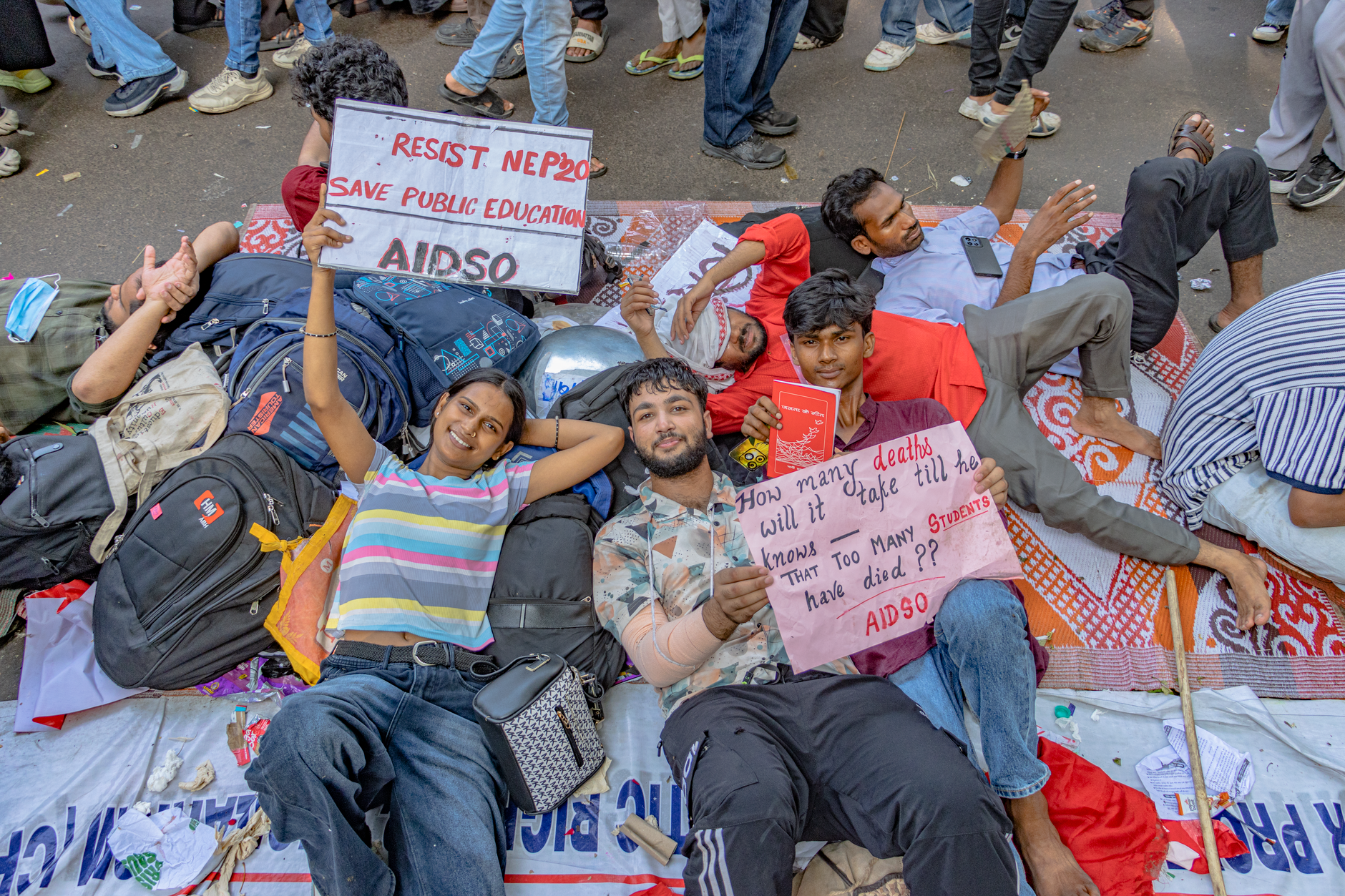
- Resistance from states concerned about linguistic imposition
- Practical difficulties in implementation across diverse regions
Parents in some states have argued that the policy places excessive pressure on students who are already dealing with demanding curricula in science and mathematics. There are also concerns about whether forcing students to learn languages they may never use is the most efficient use of their academic time.
Regional Variations and Flexibility
One aspect that often gets overlooked in discussions about the three-language policy is that CBSE and state education boards have shown some flexibility in implementation. Students generally have choices regarding which languages to study, particularly for the third language. Some schools offer foreign languages like French, German, or Spanish as options, while others focus on classical or modern Indian languages.
The policy also recognizes that enforcement must be sensitive to regional contexts. For instance, in tribal areas or regions with distinct linguistic identities, accommodations are often made to ensure mother-tongue education is not compromised.
The Path Forward
The Supreme Court's decision reinforces the government's commitment to multilingual education. However, successful implementation requires addressing practical challenges. Schools need better teacher training programs, improved language learning resources, and curricula that make language learning engaging rather than burdensome.
The focus should be on making language education meaningful and practical, helping students see languages as tools for communication and cultural understanding rather than merely subjects to pass examinations. Interactive teaching methods, technology integration, and real-world applications can make language learning more effective and enjoyable.
As India continues to balance its linguistic diversity with educational goals, the three-language policy remains a topic of ongoing debate. While the Supreme Court has upheld the policy for now, its success will ultimately depend on how well schools, teachers, and policymakers can address implementation challenges while keeping students' best interests at heart.