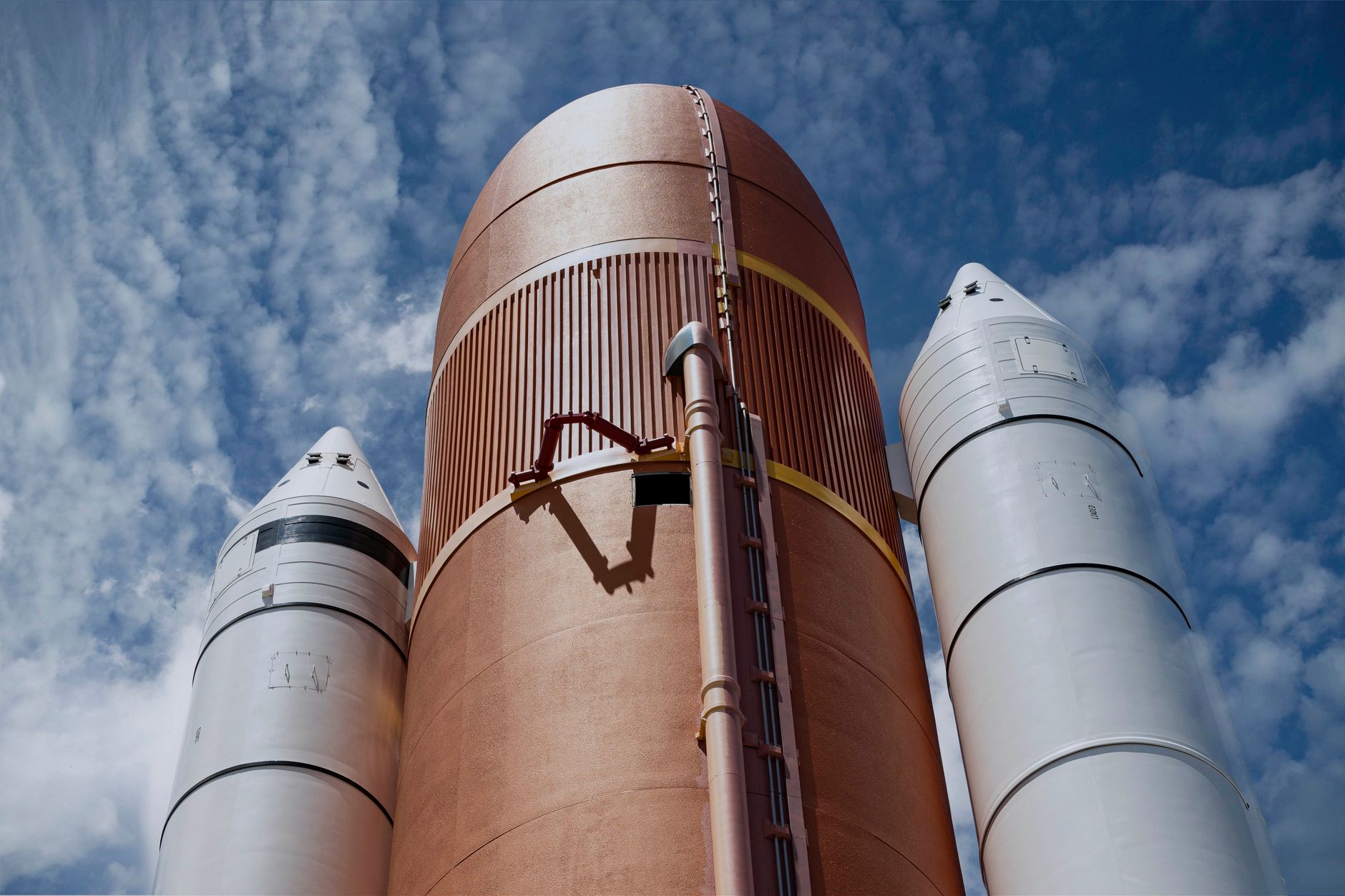
India's recent achievement in launching its first private orbital rocket represents a significant milestone not just for the country's space ambitions, but also raises important questions about human health in the emerging commercial space industry. As private companies enter the space race alongside government agencies, understanding the health challenges faced by those venturing beyond Earth becomes increasingly critical.
The Physical Toll of Space Travel
Space travel subjects the human body to extreme conditions that can have both immediate and long-lasting health effects. Microgravity environments cause muscles to atrophy and bones to lose density at alarming rates, with astronauts losing approximately 1-2% of bone mass per month in space. This is equivalent to what postmenopausal women might experience over an entire year on Earth.
The cardiovascular system also undergoes significant changes in space. Without gravity pulling blood downward, fluids shift toward the head, causing facial puffiness and increasing intracranial pressure. This can lead to vision problems, headaches, and in some cases, permanent changes to eyesight that persist even after returning to Earth.
Radiation Exposure Concerns
One of the most serious health risks associated with space travel is exposure to cosmic radiation and solar particle events. Unlike Earth, where our atmosphere and magnetic field provide natural shielding, spacecraft occupants face significantly higher radiation levels that can increase cancer risk and potentially damage the central nervous system.
- Increased cancer risk over lifetime
- Potential damage to the central nervous system
- Higher likelihood of cataracts
- Possible cardiovascular disease acceleration
- DNA damage at the cellular level
As private companies like India's new orbital rocket operators plan more frequent launches and longer missions, the cumulative radiation exposure for commercial astronauts and space workers becomes a growing concern that requires robust monitoring and protection protocols.
Mental Health in Confined Spaces
Beyond physical health, the psychological challenges of space travel cannot be overlooked. Extended periods in confined spaces with limited crew members can lead to isolation, stress, anxiety, and depression. The Japanese space agency and other organizations have documented sleep disturbances, mood changes, and interpersonal conflicts during long-duration missions.
The commercial space industry's expansion means more individuals with varying levels of psychological preparation may experience these challenges. Unlike traditional astronauts who undergo years of rigorous selection and training, space tourists and commercial crew members may have limited preparation for the mental health demands of spaceflight.
Health Screening for Commercial Space Travel
The growth of private space companies raises questions about medical screening standards for commercial astronauts and space tourists. Traditional government space programs have strict health requirements, but private operators may adopt different criteria, potentially putting individuals with pre-existing conditions at risk.
Conditions that might be manageable on Earth could become life-threatening in space, including certain heart conditions, diabetes, or respiratory issues. The industry needs standardized health screening protocols to ensure passenger safety while making space more accessible.
Preparing for Medical Emergencies
Unlike Earth-based travel, medical emergencies in space cannot be easily resolved with a trip to the hospital. Private space companies must develop comprehensive medical protocols for handling everything from minor injuries to serious health crises during flight.
This includes training crew members in emergency medicine, equipping spacecraft with appropriate medical supplies, and establishing communication protocols with ground-based medical teams. The challenge intensifies for longer missions where immediate return to Earth may not be feasible.
Long-Term Health Monitoring
As more people participate in commercial spaceflight, gathering long-term health data becomes essential. The effects of repeated space exposure, even for brief suborbital flights, remain poorly understood. Private space companies should implement comprehensive health monitoring programs to track participants before, during, and after flights.
This data collection will prove invaluable for understanding dose-dependent effects of space exposure and developing better countermeasures to protect human health as the industry grows.
The Future of Space Medicine
India's achievement in private orbital rocketry signals an expanding commercial space sector across Asia and globally. This growth necessitates parallel advancement in space medicine, including development of better radiation shielding, artificial gravity systems, and pharmaceutical interventions to counteract the negative health effects of spaceflight.
Medical research institutions and private space companies must collaborate to ensure that as access to space democratizes, the health and safety of all participants remains paramount.
This article is for general informational purposes only and should not be considered medical advice. Individuals considering participation in commercial spaceflight should consult with qualified aerospace medicine specialists and undergo appropriate health screening.