In a significant development for student activism in India, widespread protests dubbed the "Cockroach" movement have successfully pressured a senior education ministry official to step down. The resignation marks a watershed moment in ongoing debates about educational reform, accountability, and the power of student voices in shaping policy.
Background of the Protests
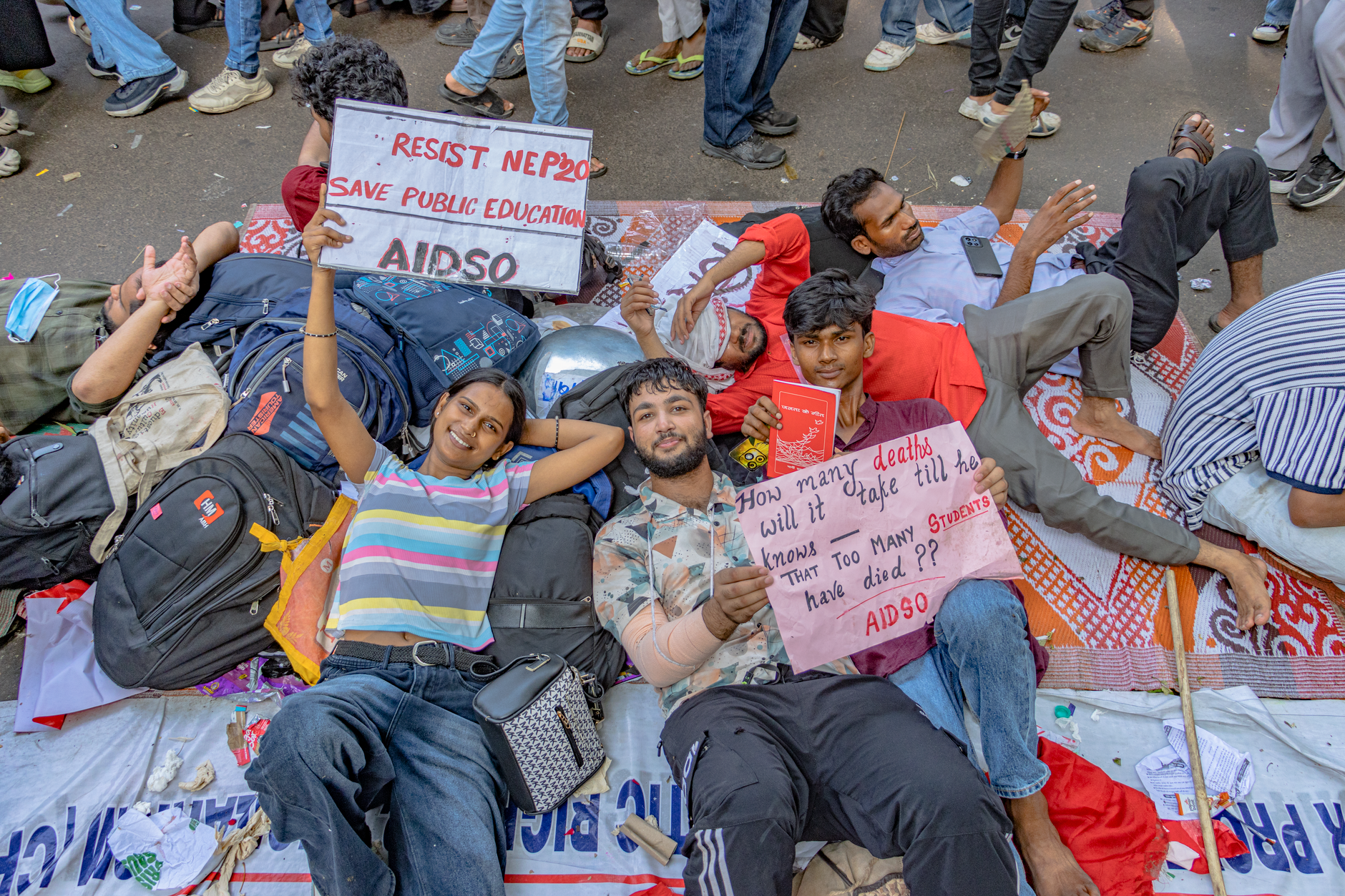
The protests emerged in response to growing discontent among students and educators regarding various issues within India's education system. Students organized demonstrations across multiple cities, adopting creative and persistent tactics that earned the movement its unusual moniker. The term "Cockroach" appears to reference the protesters' strategy of being persistent, resilient, and impossible to ignore—much like the insect itself.
The movement gained momentum through social media coordination, with students from universities and colleges nationwide sharing their grievances and organizing simultaneous demonstrations. This coordinated approach amplified their voices and created sustained pressure on education authorities.
Key Demands and Grievances
Student protesters raised several core concerns that fueled the movement:
- Transparency in examination processes and evaluation systems
- Better infrastructure and resource allocation for educational institutions
- Fair treatment of students from marginalized communities
- Accountability for administrative decisions affecting academic calendars
- Reforms in curriculum design and teaching methodologies
- Address concerns about privatization and commercialization of education
The protests highlighted a generational divide between traditional administrative approaches and students' expectations for more responsive, inclusive educational governance. Many participants emphasized that their demonstrations were not merely about one official but about systemic changes needed throughout the education sector.
The Minister's Response and Resignation
Initially, education authorities responded defensively to the protests, with some officials dismissing the students' concerns or promising vague reforms. However, as the demonstrations intensified and public support grew, the pressure became unsustainable for the minister in question.
The official's resignation came after weeks of sustained protest activity that disrupted normal academic operations at several institutions. In their resignation statement, the minister acknowledged the students' passion while defending their administrative record. The decision to step down was seen by many as an attempt to defuse tensions and allow space for dialogue about substantive reforms.
Significance for Student Activism
This successful outcome represents a notable achievement for student-led movements in India, where protests often struggle to achieve concrete policy changes. The victory demonstrates several important lessons:
The power of sustained, organized activism cannot be underestimated. Rather than staging isolated protests, students maintained consistent pressure over an extended period, preventing the issue from fading from public consciousness.
Creative protest strategies can capture public imagination and media attention. The memorable branding of the movement helped it gain traction beyond campus boundaries, attracting broader societal support.
Social media and digital coordination have transformed activism's potential reach and impact. Students effectively used online platforms to organize, share information, and build solidarity across geographic boundaries.
Broader Implications for Education Policy
The minister's departure opens questions about what comes next for India's education sector. Will this resignation lead to meaningful reforms, or will it simply be symbolic change without substantive policy shifts?
Education experts suggest that the movement's success could embolden other student groups to organize around their concerns, potentially creating a more active and engaged student population across India. However, they also caution that replacing one official does not automatically solve systemic issues requiring comprehensive reform.
The government now faces pressure to demonstrate that it takes student concerns seriously by implementing tangible changes rather than merely offering cosmetic adjustments. Observers will watch closely to see whether the new leadership in the education ministry adopts a more consultative approach that includes student voices in policy discussions.
Looking Forward
As celebrations continue among protest participants, attention is shifting toward ensuring that this moment of victory translates into lasting change. Student organizations are already preparing detailed policy proposals and establishing mechanisms for continued engagement with education authorities.
The "Cockroach" protests may well be remembered as a turning point when student activism in India demonstrated its ability to hold officials accountable and push for systemic change. Whether this momentum can be sustained and channeled into comprehensive education reform remains an open and crucial question for India's future.