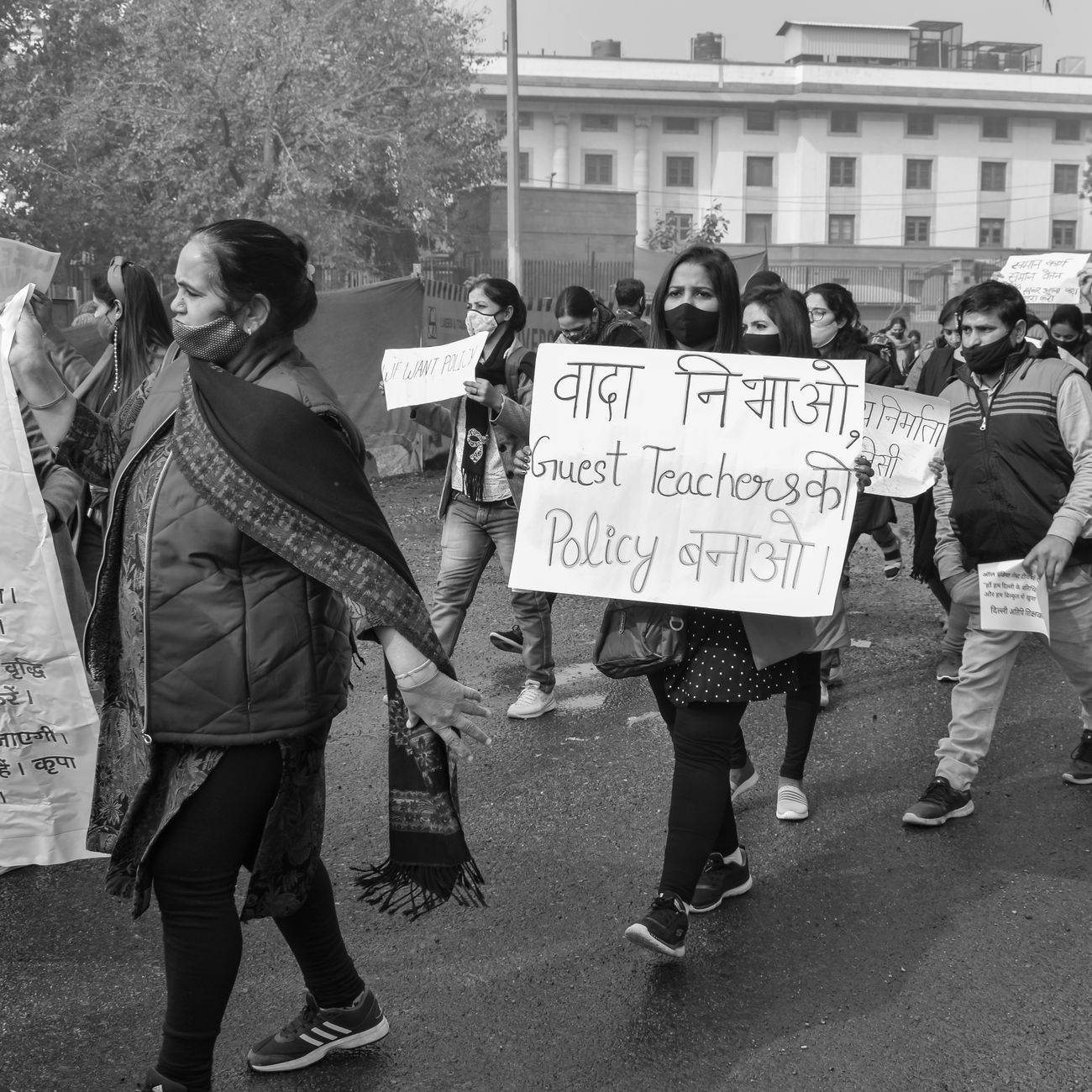
Student activism has emerged as a powerful force in Indian democracy, with sustained protests across educational institutions demonstrating a new model of civic engagement. These movements, colloquially termed "cockroach protests" for their remarkable persistence and ability to survive repeated crackdowns, represent a fundamental shift in how young Indians engage with democratic processes and institutional accountability.
The Rise of Campus-Based Democratic Movements
Indian universities and colleges have historically served as incubators for political consciousness and social change. From the independence movement to contemporary struggles, students have consistently challenged authority and demanded systemic reforms. The current wave of protests distinguishes itself through decentralized organization, sustained mobilization despite state resistance, and an explicit focus on democratic principles rather than partisan politics.
These movements typically emerge around issues of educational autonomy, fee hikes, admission policies, and freedom of expression on campuses. However, they quickly evolve into broader democratic exercises, with students establishing alternative governance structures, organizing public forums, and creating spaces for deliberative democracy that often function more transparently than official institutional channels.
Why the Cockroach Metaphor Matters
The comparison to cockroaches, while initially appearing derogatory, has been embraced by activists as a badge of resilience. Cockroaches are notoriously difficult to eliminate, adapt to hostile environments, and survive conditions that would destroy other organisms. Similarly, student movements have demonstrated remarkable staying power despite facing police action, administrative penalties, and political pressure.
This persistence challenges traditional protest dynamics in India, where movements often lose momentum after initial confrontations or symbolic victories. The cockroach protests maintain pressure through continuous, evolving tactics including sit-ins, teach-ins, social media campaigns, and creative forms of non-violent resistance that keep issues alive in public consciousness.
Democratic Deficit in Educational Institutions
The protests highlight significant democratic deficits within India's educational system. Many universities operate with limited student representation in decision-making bodies, opaque administrative processes, and hierarchical structures that discourage questioning or dissent. Faculty appointments, curriculum decisions, and financial allocations often occur without meaningful consultation with those most affected.
Students have responded by creating parallel democratic structures. Protest camps function as laboratories for participatory democracy, with regular general body meetings, consensus-building exercises, and rotating leadership that prevents centralization of power. These practices contrast sharply with both institutional governance and traditional political party structures, offering practical demonstrations of alternative democratic models.
Impact on Political Consciousness
The sustained nature of these protests has profound implications for political socialization. Students participating in months-long movements develop organizing skills, political literacy, and commitment to democratic values that traditional classroom education rarely provides. They learn negotiation, coalition-building, media strategy, and the importance of institutional accountability through direct experience.
This hands-on democratic education creates a generation less willing to accept authoritarianism, corruption, or institutional decay passively. Many participants report fundamental shifts in their understanding of citizenship, moving from passive subjects to active agents capable of challenging power structures and demanding transparency.
Challenges and Criticisms
The movements face significant challenges including state repression, attempts to discredit leaders through character assassination, and efforts to paint protests as anti-national or externally funded. Universities have employed various tactics to suppress activism, from threatening academic consequences to imposing restrictions on assembly and communication.
Critics argue that some protests become ends in themselves, losing sight of achievable objectives or alienating potential allies through maximalist demands. Others question whether campus-based movements can translate into broader societal change or whether they remain confined to elite educational spaces.
Broader Democratic Implications
Beyond immediate educational concerns, these protests serve crucial functions in Indian democracy. They provide training grounds for future civic leaders, demonstrate the vitality of grassroots organizing, and create counterweights to centralized power. In contexts where traditional democratic institutions face pressure, student movements offer alternative spaces for political expression and accountability.
The cockroach protests also challenge narratives about political apathy among young Indians. Rather than disengagement, these movements reveal sophisticated political consciousness that rejects conventional partisan politics while embracing democratic values of transparency, participation, and accountability.
The resilience and adaptability that earned these movements their unusual moniker may prove their most significant contribution to Indian democracy, demonstrating that sustained, organized civic engagement remains possible even under difficult circumstances.