Taiwan has launched a fresh approach to engaging with India's travel industry by introducing a co-funded familiarization (FAM) trip model, signaling the island nation's serious commitment to capturing a larger share of India's rapidly expanding outbound tourism market.
Understanding FAM Trips in Tourism
Familiarization trips are educational tours organized by tourism boards or destination marketing organizations for travel agents, tour operators, and travel media. These trips allow industry professionals to experience destinations firsthand, enabling them to sell packages more effectively to their clients. Traditionally, destination authorities bear the full cost of these trips, but Taiwan's new model introduces a cost-sharing mechanism.
The Co-Funded Approach
Under Taiwan's innovative co-funded model, both the Taiwan Tourism Administration and participating Indian travel trade partners share the expenses of FAM trips. This approach differs from conventional fully-sponsored trips by creating a financial stake for travel agents and operators in the experience.
The cost-sharing structure typically ensures that participating agents have genuine interest in promoting Taiwan as a destination, rather than simply taking advantage of free travel. When agents invest their own resources, they're more likely to actively promote Taiwan packages upon return, making the model mutually beneficial.
Why Taiwan is Targeting India
India represents one of the world's fastest-growing outbound tourism markets. With a burgeoning middle class, increasing disposable incomes, and a young demographic eager to explore international destinations, India has become a priority market for destinations worldwide.
Taiwan offers several attractions that appeal to Indian travelers:
- Visa-free entry for Indian citizens since 2023, making travel more convenient
- Buddhist heritage sites and temples that resonate with spiritual tourists
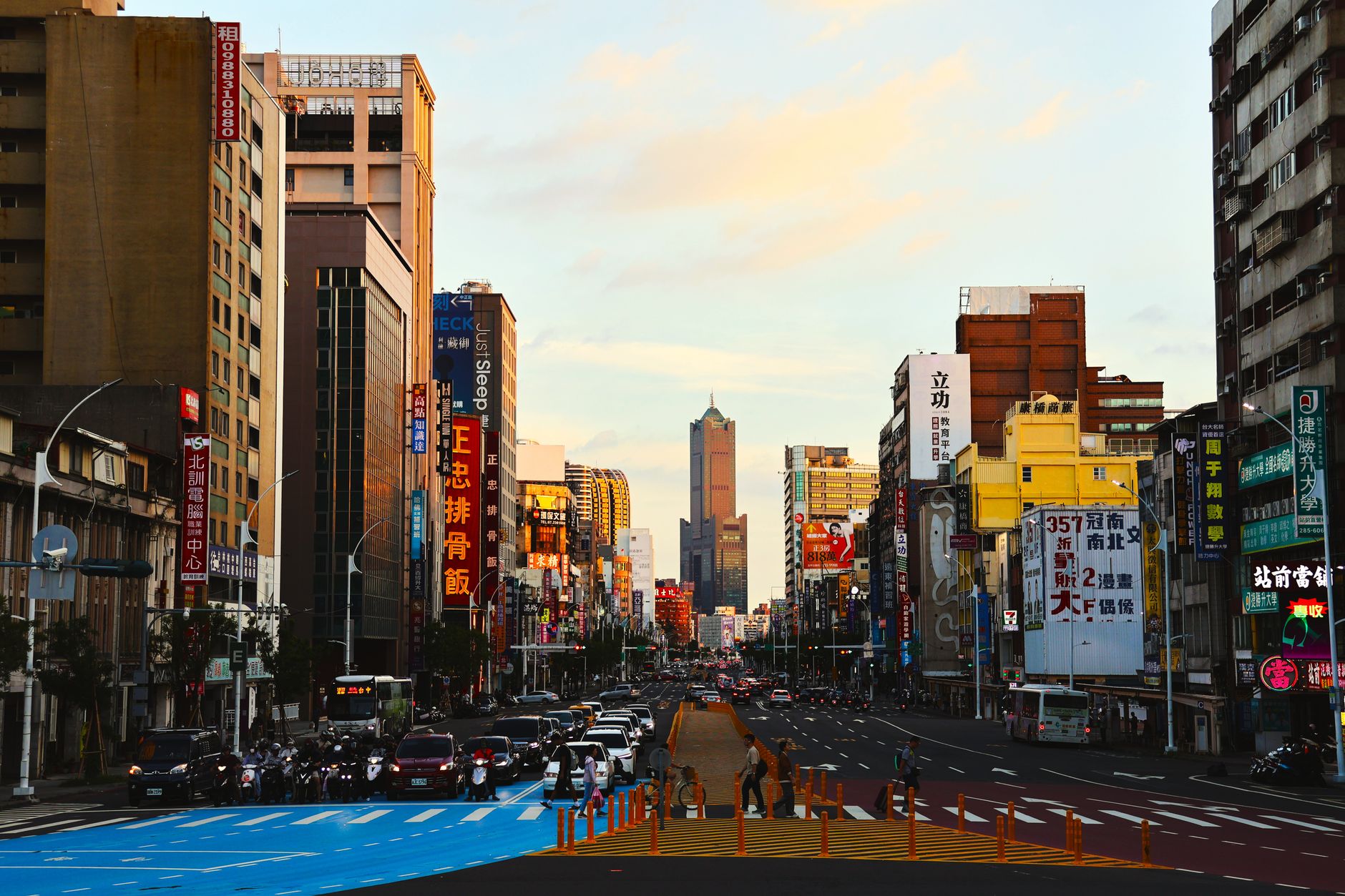
- Modern cities like Taipei combining technology, culture, and entertainment
- Natural attractions including hot springs, mountains, and scenic coastal areas
- Excellent healthcare infrastructure supporting medical tourism
- Shopping destinations and night markets offering unique experiences
Benefits of the Co-Funded Model
This partnership approach creates several advantages for both parties. For Taiwan, having financially invested partners means working with agents who have stronger motivation to actively promote Taiwanese destinations rather than passive participants on free trips.
For Indian travel agents and tour operators, the co-funded model offers credibility. By partially financing their own FAM trips, they demonstrate serious business intent to both the Taiwan Tourism Administration and their potential customers. The knowledge and experiences gained translate directly into specialized Taiwan tour packages that can differentiate their offerings in a competitive market.
Impact on India-Taiwan Tourism Relations
The initiative reflects Taiwan's strategic approach to building sustainable tourism partnerships rather than one-off promotional activities. By deepening engagement with India's travel trade, Taiwan aims to establish long-term relationships that consistently drive tourist arrivals.
Indian tourist arrivals to Taiwan have shown promising growth potential, though they remain relatively modest compared to travelers from mainland China, Japan, and Southeast Asian countries. This focused effort on the Indian market acknowledges both the current gap and future opportunity.
Broader Implications for Travel Trade
Taiwan's co-funded FAM model may represent a shift in how destinations approach travel trade partnerships globally. As tourism boards face budget constraints while trying to maintain marketing effectiveness, cost-sharing models ensure better quality over quantity in FAM trip participants.
This approach also encourages travel agents to specialize in specific destinations rather than being generalists. Agents who invest in learning about Taiwan are more likely to develop expertise, create specialized itineraries, and provide better service to travelers seeking authentic Taiwanese experiences.
What This Means for Indian Travelers
As more Indian travel agents gain firsthand knowledge of Taiwan through these FAM trips, Indian travelers can expect better-curated Taiwan tour packages. Agents who've personally experienced destinations can offer insider tips, reliable supplier networks, and realistic expectations to their customers.
The increased focus on Taiwan by Indian tour operators may also lead to more competitive pricing as multiple agencies develop Taiwan expertise and vie for customers. Additionally, specialized packages catering to Indian preferences—vegetarian-friendly options, cultural sites, and family-oriented activities—are likely to emerge.
Taiwan's co-funded FAM model represents a thoughtful evolution in destination marketing, balancing promotional needs with sustainable partnership building. For India's travel trade and travelers alike, this initiative opens new possibilities for discovering what Taiwan has to offer beyond the typical Asian destination checklist.