India's job market is witnessing a significant geographical transformation as talented professionals increasingly choose tier-2 cities over the traditional metro hubs that have long dominated the country's employment landscape. This trend reflects changing priorities among workers and evolving business strategies that are reshaping where Indians live and work.
The Great Migration from Metro Cities
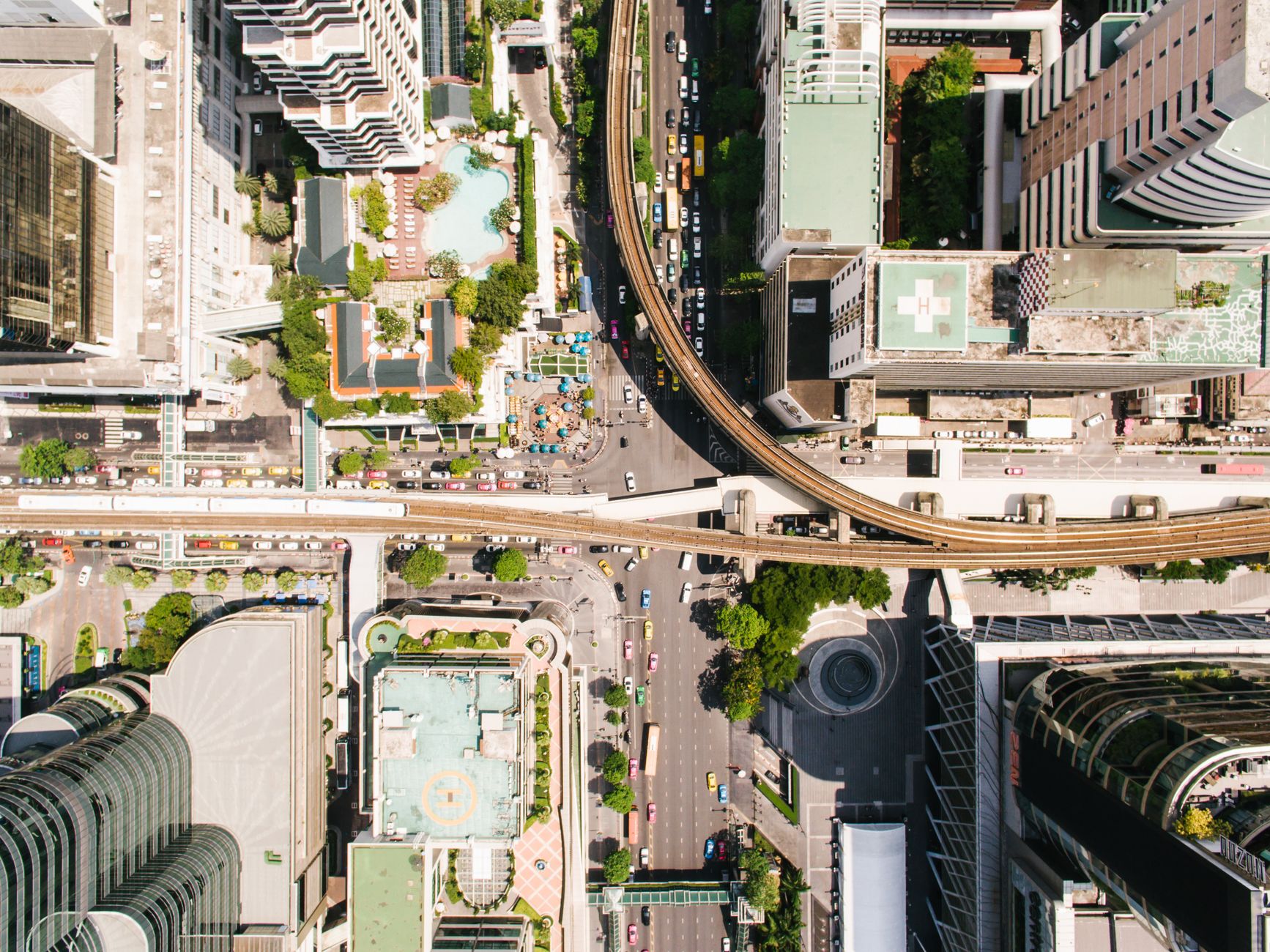
For decades, Bengaluru, Mumbai, and Delhi have been magnets for ambitious professionals seeking career growth and higher salaries. However, rising living costs, traffic congestion, pollution, and overcrowding in these metros have prompted many to reconsider their choices. The COVID-19 pandemic accelerated this shift by normalizing remote work and proving that productivity need not be tied to expensive city centres.
Cities like Pune, Ahmedabad, Chandigarh, Jaipur, Kochi, Indore, Coimbatore, and Visakhapatnam are now emerging as viable alternatives. These locations offer a compelling combination of growing job opportunities, lower cost of living, better quality of life, and improved infrastructure while maintaining connectivity to major business centres.
Why Companies Are Expanding Beyond Metros
Businesses across sectors are establishing operations in tier-2 cities for several strategic reasons. Real estate costs in these locations can be 40-60% lower than in metros, allowing companies to operate larger facilities within the same budget. Additionally, employee attrition rates tend to be lower in smaller cities where professionals often have family ties and community connections.
The talent pool in tier-2 cities has also matured significantly. Local engineering colleges, management institutes, and universities produce thousands of graduates annually who prefer staying close to home rather than migrating to metros. Companies benefit from accessing this local talent at competitive salary levels while employees enjoy proximity to family and familiar surroundings.
Sectors Driving Growth in Tier-2 Cities
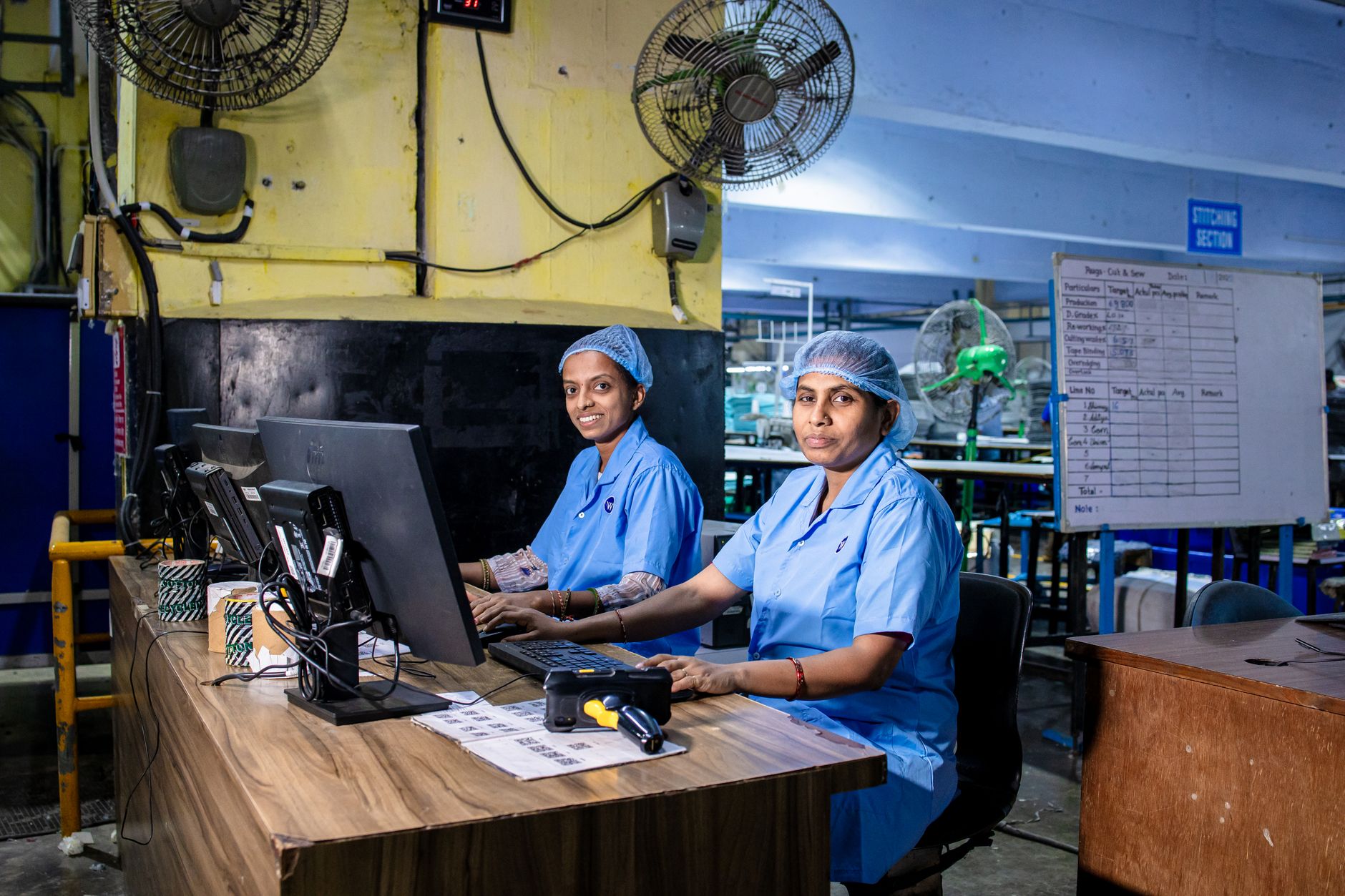
The information technology and IT-enabled services sectors have led this geographical diversification. Major technology companies and startups alike have opened development centres and back-office operations in cities like Pune, Thiruvananthapuram, and Coimbatore. These locations offer skilled technical talent at lower operational costs.
Manufacturing and industrial sectors have long had a presence in tier-2 cities, but recent years have seen expanded hiring as companies set up or expand production facilities. The government's Make in India initiative and production-linked incentive schemes have further boosted industrial employment in these regions.
E-commerce, logistics, and delivery services have created numerous jobs across tier-2 and tier-3 cities as online shopping penetrates deeper into India. Financial services, education technology, healthcare, and shared services centres are also contributing to employment growth beyond traditional metros.
Quality of Life Advantages
Professionals moving to tier-2 cities often cite improved quality of life as a primary motivation. Commute times are significantly shorter, with many workers spending 30-45 minutes traveling instead of 2-3 hours daily. This translates to more time with family and for personal pursuits.
Housing affordability is another major factor. The same budget that might afford a cramped apartment in Mumbai or Bengaluru can provide a spacious home in Indore or Jaipur. Lower costs for education, healthcare, and daily expenses mean higher disposable income and improved savings potential.
Air quality in many tier-2 cities remains better than in major metros, though this varies by location. Access to green spaces, shorter distances to recreational facilities, and less crowded public spaces contribute to reduced stress levels and better overall well-being.
Infrastructure and Connectivity Improvements
Tier-2 cities have invested heavily in infrastructure development, making them more attractive to businesses and professionals. Improved airports with better connectivity, metro rail projects, expanded road networks, and reliable internet infrastructure have narrowed the gap with major metros.
Co-working spaces, business parks, and modern residential complexes have mushroomed in these cities, providing the amenities that professionals expect. Educational institutions, healthcare facilities, and entertainment options have also improved, addressing concerns about lifestyle compromises.
Challenges That Remain
Despite the positive trends, tier-2 cities face some limitations. Career growth opportunities, while improving, may still be more limited than in metros, particularly for niche specializations. Networking opportunities and exposure to cutting-edge developments in certain industries may be reduced.
Some tier-2 cities still lag in areas like public transportation, international schooling options, and specialized healthcare facilities. Cultural and entertainment offerings, while growing, may not match the diversity available in major metros.
The Road Ahead
This geographical redistribution of jobs and talent appears likely to continue as hybrid work models become permanent and companies seek operational efficiencies. Government initiatives focusing on developing smart cities and improving infrastructure in tier-2 locations will further support this trend.
For job seekers, the expanding opportunities in tier-2 cities offer an attractive alternative to the metro lifestyle, combining career growth with improved quality of life and financial well-being. As this ecosystem matures, India's employment map will likely become increasingly diverse and distributed across multiple growth centres.