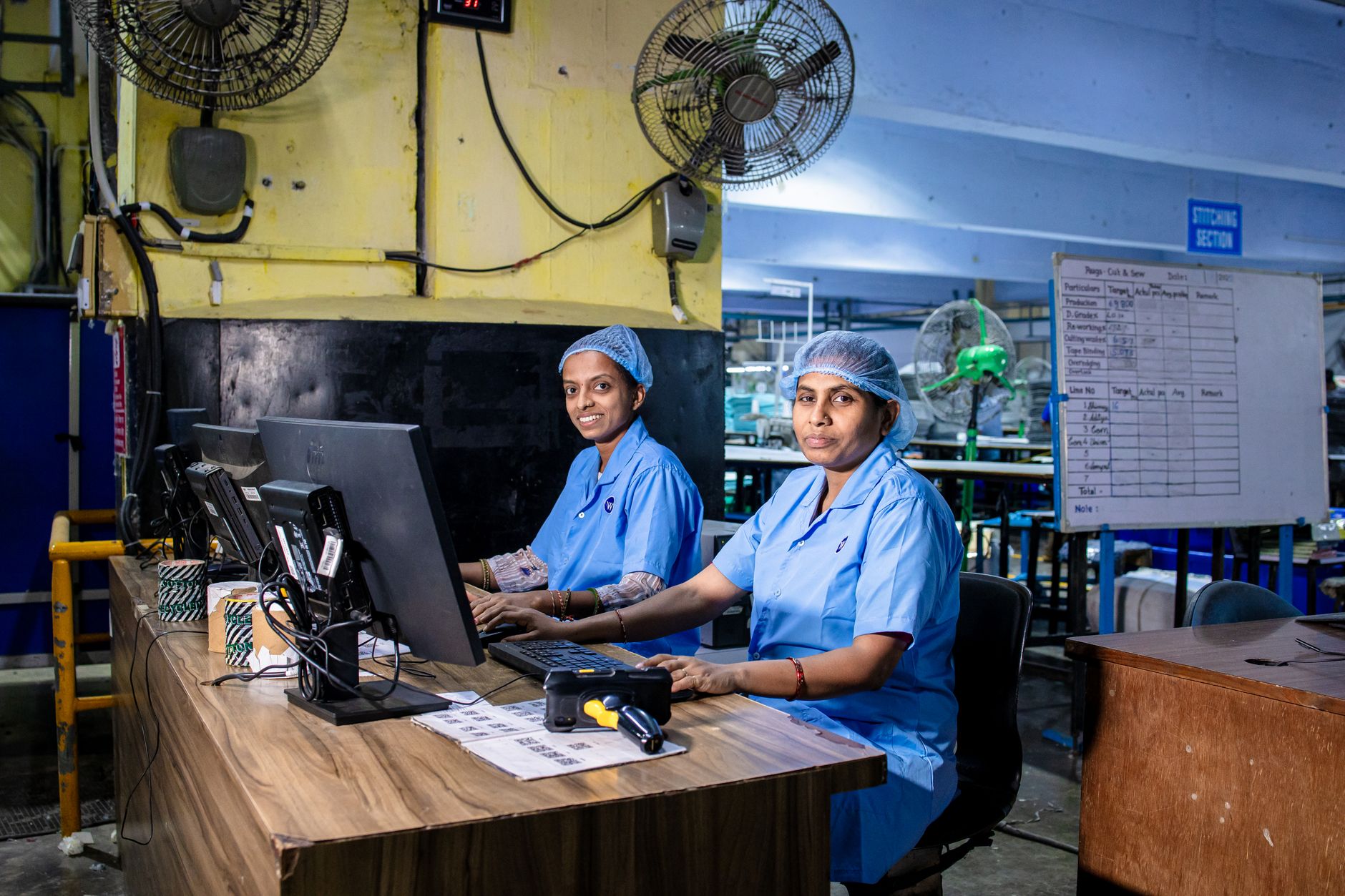
India's job market is undergoing a significant transformation, with opportunities increasingly spreading beyond the traditional metro powerhouses of Mumbai, Delhi, and Bangalore. According to recent analysis by LinkedIn, cities like Visakhapatnam (Vizag), Surat, Ludhiana, and Prayagraj are emerging as new employment destinations, offering exciting prospects for job seekers willing to look beyond the usual suspects.
Why Smaller Cities Are Gaining Prominence
The rise of these emerging cities reflects several fundamental shifts in India's economic landscape. Lower operational costs, improving infrastructure, government incentives for businesses to establish operations outside major metros, and better digital connectivity have all contributed to this trend. Additionally, the COVID-19 pandemic accelerated remote and hybrid work models, making location less critical for many roles and enabling companies to tap into talent pools in smaller cities.
For job seekers, these cities offer a compelling value proposition: competitive salaries with significantly lower living costs, reduced commute times, less pollution, and often a better work-life balance compared to overcrowded metropolitan areas.
Understanding the Key Emerging Job Markets
Visakhapatnam has evolved into a major industrial and port city on India's eastern coast. With a growing presence of pharmaceutical manufacturing, information technology, steel production, and its strategic location as a major port, Vizag offers diverse opportunities across manufacturing, logistics, IT services, and emerging sectors like renewable energy.
Surat, already known as India's diamond polishing capital and a textile manufacturing hub, continues to expand its economic base. The city attracts professionals in gem and jewelry processing, textile design and manufacturing, chemical industries, and increasingly in retail and e-commerce sectors that support its thriving business community.
Ludhiana remains Punjab's industrial heart, with a strong foundation in manufacturing. The city is particularly prominent in bicycle manufacturing, auto parts production, textile and garment manufacturing, and agricultural equipment. As these traditional industries modernize, they create demand for skilled workers in engineering, supply chain management, and quality control.
Prayagraj, historically known for its cultural and religious significance, is witnessing economic transformation driven by infrastructure development and government initiatives. Opportunities are growing in education and research institutions, tourism and hospitality, government and administrative services, and construction and real estate development.
Sectors Driving Job Growth
Manufacturing continues to be a major employment generator in these cities, particularly in specialized niches where they have developed expertise over decades. The government's focus on manufacturing through initiatives like Make in India has further boosted these traditional strengths.
Information technology and related services are no longer confined to Bangalore, Hyderabad, or Pune. Smaller cities now host IT services companies, software development centers, and business process outsourcing operations, attracted by lower costs and available talent from local educational institutions.
Logistics and supply chain management roles have expanded significantly as e-commerce companies and manufacturers establish warehousing and distribution networks across the country. Cities with good connectivity are natural beneficiaries of this trend.
Healthcare and pharmaceuticals represent another growing sector, with several of these cities hosting pharmaceutical manufacturing units, hospitals, and healthcare services that cater to their growing populations.
What Job Seekers Should Consider
Before relocating to or targeting jobs in these emerging cities, candidates should research the specific industries that dominate each location and align their skills accordingly. Understanding local salary benchmarks is important—while absolute figures may be lower than metro cities, purchasing power might actually be higher given lower living costs.
Infrastructure considerations matter, including the quality of educational institutions if you have children, healthcare facilities, public transportation, and connectivity to other major cities. The professional networking ecosystem may be less developed than in major metros, so building connections might require more proactive effort.
Career growth trajectories can differ, with some roles offering faster advancement in smaller markets where there's less competition, while others might have limited progression without eventually moving to larger cities.
The Future of India's Job Market Distribution
The trend toward geographic diversification of employment opportunities is likely to continue and accelerate. Government policies promoting balanced regional development, improvements in digital infrastructure enabling remote work, and the simple economics of cost optimization will keep pushing opportunities toward smaller cities.
For India's workforce, this represents both an opportunity and a choice: the traditional path of migrating to major metros for career advancement now has viable alternatives that might offer better overall quality of life without sacrificing professional growth.