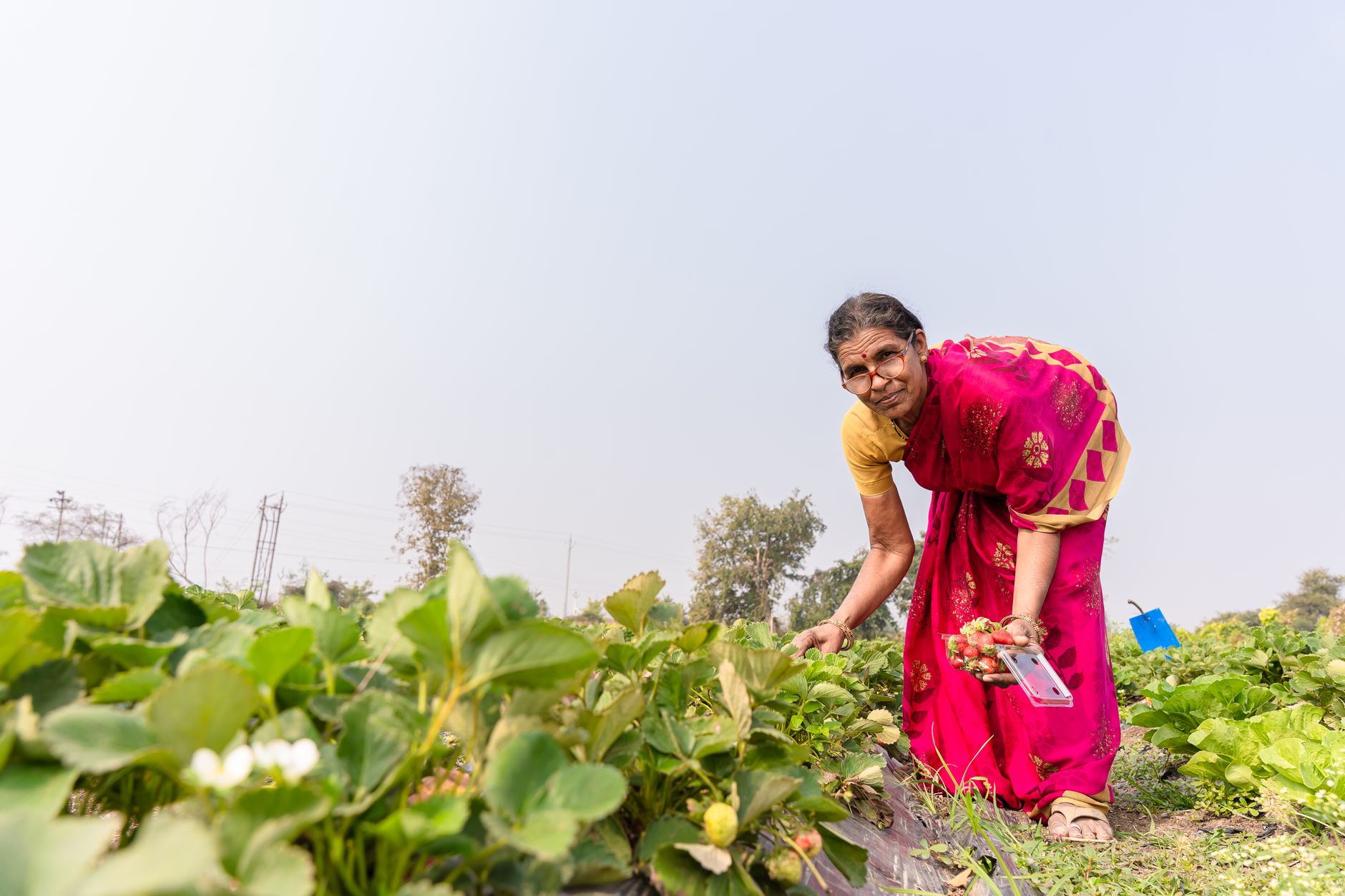
The global nutraceutical industry has witnessed a significant development with the announcement of a strategic partnership between American and Indian health sector organizations. This collaboration aims to streamline and strengthen the supply chain connecting the world's largest democracy with one of its most lucrative health product markets.
Understanding Nutraceuticals
Nutraceuticals represent a hybrid category between nutrition and pharmaceuticals, encompassing dietary supplements, functional foods, and herbal products that offer health benefits beyond basic nutrition. The global nutraceutical market has experienced explosive growth in recent years, driven by increasing consumer awareness about preventive healthcare and natural wellness solutions.
India has emerged as a major player in this space, leveraging its rich heritage of Ayurvedic medicine and abundant sources of botanical ingredients. The country produces a significant portion of the world's herbal supplements, spices, and plant-based extracts used in nutraceutical formulations.
The Strategic Importance of This Partnership
This collaboration addresses several critical challenges that have historically complicated trade in health products between the United States and India. Regulatory compliance, quality assurance, and supply chain transparency remain significant hurdles for manufacturers and distributors operating across these markets.
The partnership focuses on several key objectives. First, it seeks to establish clearer pathways for certification and compliance with both US Food and Drug Administration standards and Indian regulatory requirements. Second, it aims to promote best practices in organic certification and quality control throughout the manufacturing process.
Benefits for Manufacturers and Consumers
For manufacturers, this collaboration promises reduced friction in navigating the complex regulatory landscape of international health product trade. Indian producers gain better access to the lucrative American market, while US companies can more reliably source high-quality ingredients and finished products from Indian suppliers.
Consumers stand to benefit through improved product quality, greater transparency in sourcing, and potentially more competitive pricing. As supply chains become more efficient, the cost savings may translate to more affordable supplements and natural health products.
India's Growing Role in Global Health Markets
India's pharmaceutical and nutraceutical sectors have positioned the country as the "pharmacy of the world." The nation exports health products to over 200 countries and maintains one of the largest generic drug manufacturing capacities globally. This expertise extends to the nutraceutical sector, where Indian companies produce everything from turmeric extracts to ashwagandha supplements.
The country's advantage lies not only in manufacturing capacity but also in its agricultural diversity. India cultivates numerous medicinal plants and herbs that form the foundation of popular supplements worldwide. From holy basil to moringa, many trending superfoods originate from Indian farms and forests.
Quality Standards and Consumer Safety
One of the partnership's primary focuses involves harmonizing quality standards between the two nations. The American market demands rigorous testing for contaminants, accurate labeling of active ingredients, and verification of health claims. Indian manufacturers must meet these stringent requirements to successfully compete in the US market.
The collaboration includes provisions for knowledge sharing, technical assistance, and possibly joint certification programs. These measures aim to elevate industry standards across both countries while maintaining the integrity and safety of products reaching consumers.
Market Trends Driving Collaboration
Several factors have made this partnership particularly timely. The COVID-19 pandemic accelerated consumer interest in immunity-boosting supplements and natural health products. Both American and Indian markets have seen surging demand for vitamins, minerals, herbal supplements, and functional foods.
Additionally, growing consumer preference for organic and sustainably sourced products has created opportunities for suppliers who can demonstrate ethical sourcing and environmental responsibility. India's organic farming sector has expanded significantly, positioning the country to meet this demand.
Looking Forward
This partnership represents more than just a trade agreement; it signals a recognition of the interdependence between major health product markets. As consumers worldwide increasingly turn to natural and preventive health solutions, collaborations that ensure quality, safety, and accessibility become essential.
The success of this initiative could serve as a model for international cooperation in the health products sector, potentially inspiring similar partnerships between other nations and regions.
This article is for general informational purposes only and does not constitute medical, health, or regulatory advice. Readers should consult qualified healthcare professionals before starting any supplement regimen and verify that products meet all applicable regulatory standards in their jurisdiction.