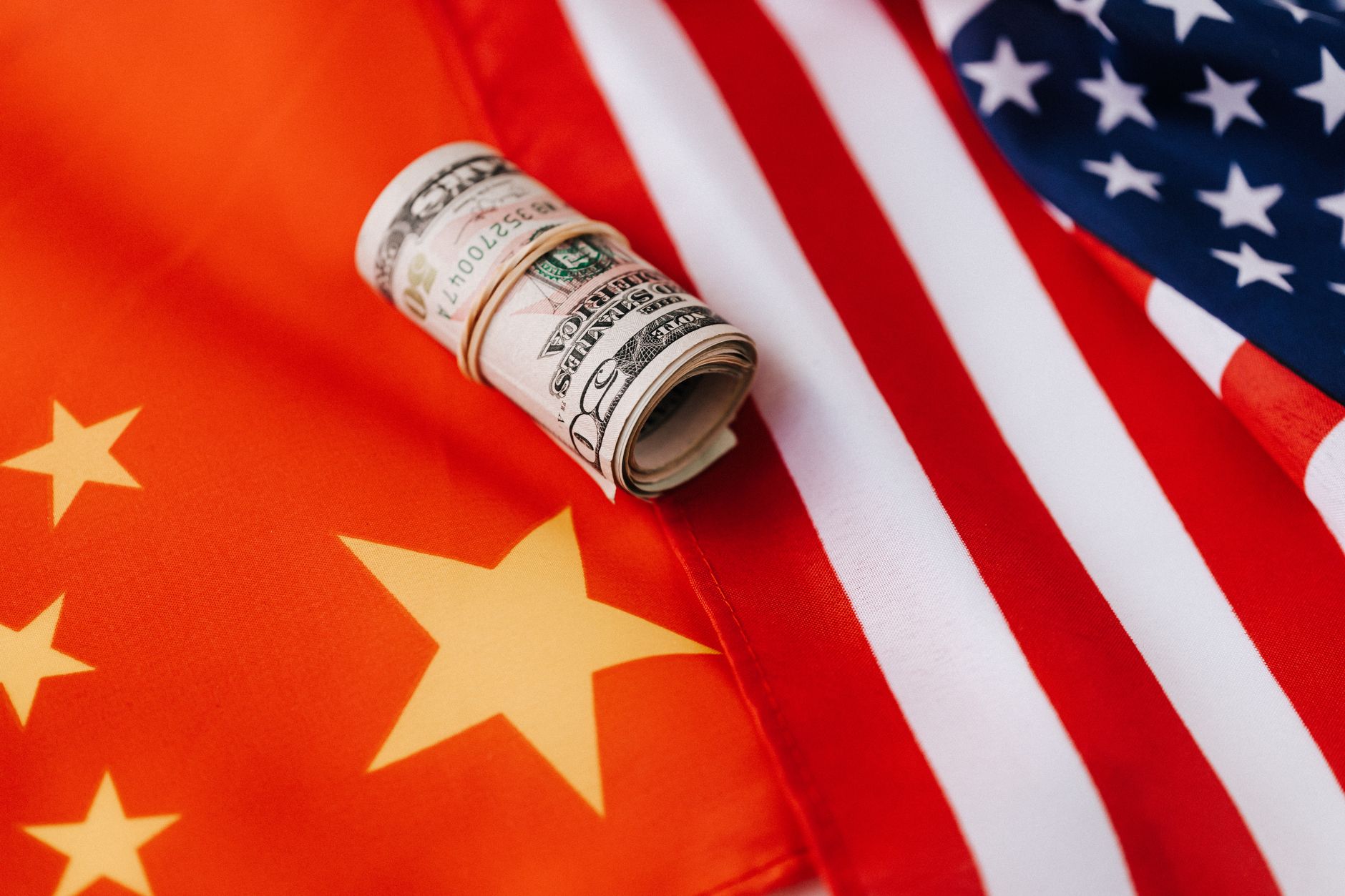
Global markets are presenting Indian investors with contrasting opportunities. While US equity markets continue their upward march, touching all-time highs, Chinese stocks remain significantly undervalued compared to historical averages. This divergence raises an important question for investors looking to diversify beyond Indian borders: where should you allocate your international portfolio?
Understanding the Current Market Dynamics
The US stock market has demonstrated remarkable resilience, with major indices like the S&P 500 and Nasdaq reaching unprecedented levels. This rally has been driven by strong corporate earnings, technological innovation, particularly in artificial intelligence, and robust economic fundamentals. However, valuations have become stretched, with price-to-earnings ratios well above long-term averages.
Meanwhile, Chinese markets have languished despite the country's significant economic scale. Regulatory crackdowns, geopolitical tensions, property sector concerns, and slower-than-expected post-pandemic recovery have kept valuations depressed. This has created what some analysts view as a value opportunity, though significant uncertainties remain.
The Case for US Markets
Despite high valuations, the United States offers several advantages for long-term investors. The country remains the global leader in innovation, housing the world's most valuable technology companies and maintaining a competitive edge in emerging sectors like artificial intelligence, cloud computing, and biotechnology.
The dollar's status as the world's reserve currency provides stability, and the US regulatory environment, while evolving, remains relatively investor-friendly. American companies also have a strong track record of shareholder returns through dividends and buybacks.
For Indian investors, US exposure offers genuine geographical diversification. When Indian markets face headwinds, US investments can provide a counterbalance. Currency appreciation potential is another factor—if the rupee weakens against the dollar, dollar-denominated assets automatically gain value in rupee terms.
The Case for Chinese Markets
China's compelling valuation story cannot be ignored. Stocks trading at significant discounts to their US counterparts could offer substantial upside if sentiment improves. The Chinese government has shown willingness to support markets through stimulus measures and policy adjustments.
China remains the world's second-largest economy with a massive consumer base and manufacturing capabilities. As the economy stabilizes and potentially rebounds, early investors could benefit significantly.
However, risks are substantial. Regulatory unpredictability remains a concern, as authorities have demonstrated willingness to intervene dramatically in various sectors. Geopolitical tensions with the West, particularly the US, create ongoing uncertainty. Corporate governance standards and accounting transparency also lag behind developed markets.
Practical Considerations for Indian Investors
Indian investors can access international markets through several routes. Mutual funds and ETFs with international exposure offer the simplest path, providing professional management and instant diversification. Direct investment through the Liberalised Remittance Scheme (LRS) allows up to USD 250,000 per financial year but involves more complexity.
Tax implications deserve careful consideration. International investments face different tax treatments than domestic ones. Equity-oriented international funds are taxed as debt funds, meaning long-term capital gains are taxed at 20% with indexation, while short-term gains are added to income and taxed at applicable slab rates.
A Balanced Approach
Rather than choosing one market over another, a diversified approach often makes the most sense. Most financial advisors suggest that international exposure should constitute 10-20% of an investor's overall equity portfolio for adequate diversification without excessive concentration risk.
Within this allocation, spreading investments across both developed markets like the US and emerging opportunities like China can balance growth potential with risk management. The exact split depends on individual risk tolerance, investment horizon, and financial goals.
Consider a core-satellite approach: maintain core holdings in stable, proven markets like the US while taking smaller, tactical positions in higher-risk, higher-reward markets like China. This strategy allows participation in potential Chinese market rebounds without overexposure to its inherent risks.
Time Horizon Matters
Your investment timeline significantly influences the decision. Those with longer horizons (10+ years) can better weather Chinese market volatility and potentially benefit from mean reversion in valuations. Shorter-term investors might prefer the relative stability and momentum of US markets.
Regular rebalancing helps maintain desired allocations and forces disciplined profit-taking from outperformers while adding to underperformers—a time-tested strategy for long-term wealth creation.
This article is for general informational purposes only and should not be considered investment advice. Please consult with a qualified financial advisor before making investment decisions based on your specific financial situation, goals, and risk tolerance.