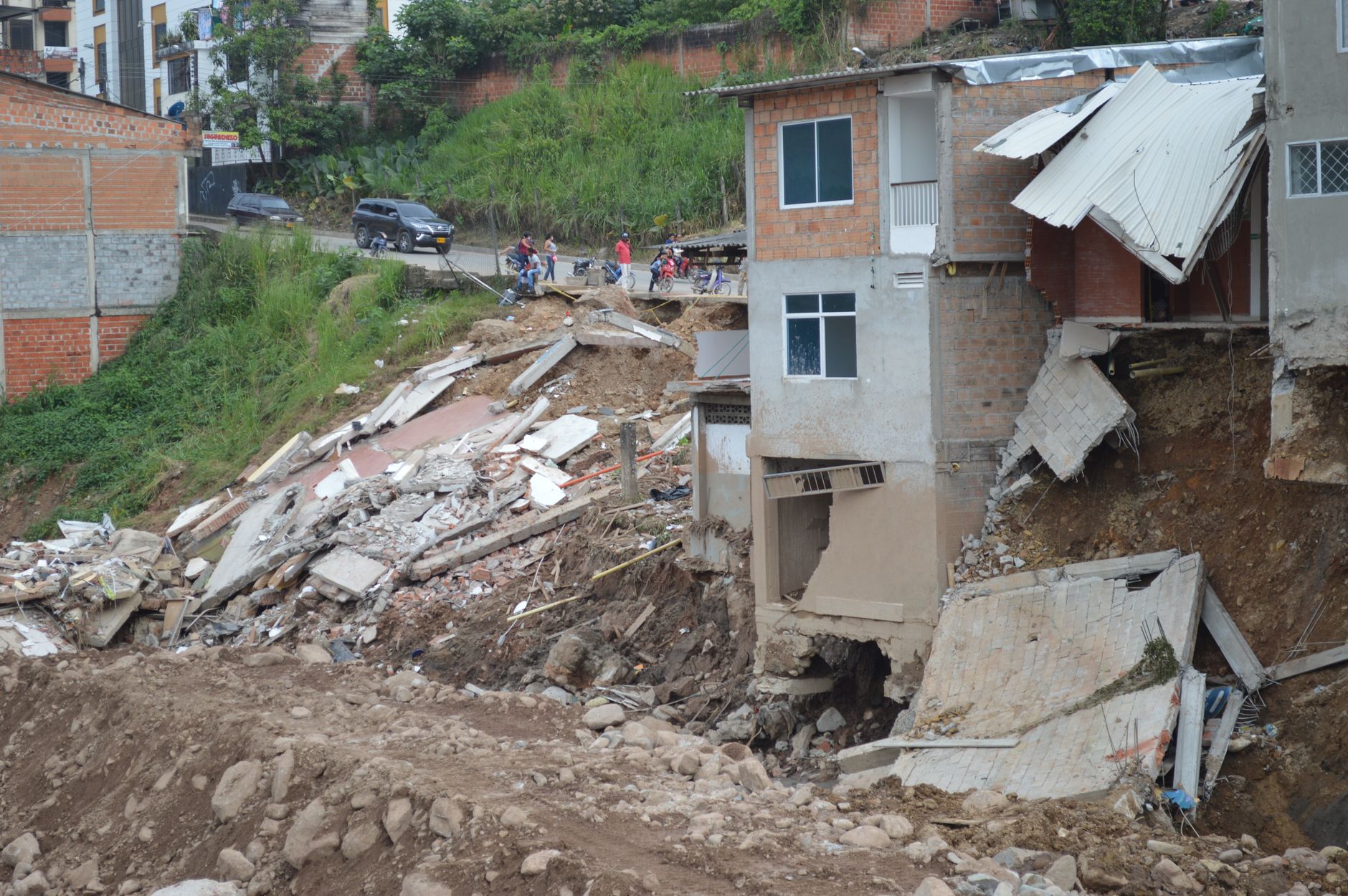
When earthquakes strike, the immediate destruction captures headlines, but the health crisis that follows can be equally devastating. Venezuela's recent seismic event has entered a critical phase where survivors face mounting health risks from environmental hazards created by the disaster.
The Immediate Health Threats After Earthquakes
Earthquakes create a cascade of health hazards that extend far beyond the initial structural damage. The collapse of buildings generates massive amounts of dust containing silica, asbestos, and other harmful particles. When inhaled, these microscopic fragments can cause immediate respiratory distress and long-term lung damage.
Debris fields pose multiple dangers. Sharp materials cause lacerations and puncture wounds that, without proper medical treatment, can lead to infections. Trapped individuals may suffer crush injuries, which can result in compartment syndrome or kidney failure from muscle breakdown. The longer rescue operations take, the higher the risk of complications.
Water Contamination and Disease Outbreaks
Perhaps the most insidious threat comes from water contamination. Earthquakes rupture sewage systems, allowing human waste to mix with drinking water supplies. This contamination creates ideal conditions for waterborne diseases to spread rapidly through affected populations.
Cholera, typhoid fever, and hepatitis A are among the most concerning diseases in post-earthquake scenarios. These illnesses spread quickly in crowded temporary shelters where displaced people gather. Diarrheal diseases can be particularly deadly for children and elderly individuals, leading to severe dehydration.
Standing water in damaged areas also becomes breeding grounds for mosquitoes, raising the risk of vector-borne diseases. In tropical and subtropical regions, this can mean outbreaks of dengue fever, malaria, or other mosquito-transmitted illnesses.
Respiratory Problems from Dust and Particulates
The dust clouds generated by collapsed structures contain a toxic mixture of construction materials. Concrete dust contains crystalline silica, which can cause silicosis with prolonged exposure. Older buildings may release asbestos fibers, linked to lung cancer and mesothelioma decades after exposure.
People involved in rescue operations and cleanup efforts face the highest exposure levels. Without proper protective equipment like N95 masks or respirators, workers inhale dangerous amounts of these particles. Even residents returning to damaged neighborhoods breathe contaminated air for weeks or months during reconstruction.
Individuals with pre-existing respiratory conditions face particular danger. Asthma, chronic obstructive pulmonary disease, and other lung problems can worsen dramatically in dusty post-disaster environments.
Mental Health and Chronic Disease Management
The disruption of healthcare infrastructure creates secondary health crises. People with chronic conditions like diabetes, heart disease, or hypertension may lose access to regular medications. This interruption can trigger medical emergencies and complications.
Mental health impacts are profound and long-lasting. Post-traumatic stress disorder affects many survivors, particularly those who lost loved ones or witnessed traumatic events. Depression and anxiety rates spike in disaster-affected populations, yet mental health services are often the last to be restored.
Prevention and Protection Measures
Communities can take several steps to mitigate post-earthquake health risks:
- Avoid drinking untreated water from potentially contaminated sources
- Boil water for at least one minute before consumption or use purification tablets
- Wear dust masks when in areas with heavy particulate matter
- Cover wounds immediately to prevent infection
- Seek medical attention promptly for any injuries, no matter how minor they seem
- Report dead animals or human remains to authorities for proper disposal
- Stay away from damaged buildings that may contain asbestos
- Maintain hand hygiene, especially before eating or preparing food
The Role of International Aid and Local Response
Effective disaster response requires coordination between local authorities, international organizations, and medical teams. Mobile clinics can provide essential services in areas where hospitals are damaged. Water purification systems and temporary sanitation facilities help prevent disease outbreaks.
Public health surveillance becomes critical for detecting and containing infectious disease outbreaks early. Vaccination campaigns may be necessary to prevent diseases like tetanus in injured populations.
The weeks and months following major earthquakes test the resilience of healthcare systems and communities. While immediate rescue operations save lives, addressing the environmental health hazards determines long-term survival and recovery for affected populations.
This article provides general information about post-earthquake health risks and is not a substitute for professional medical advice. In disaster situations, always follow guidance from local health authorities and seek immediate medical attention for injuries or illnesses.