Nelson Mandela famously declared that "education is the most powerful weapon which you can use to change the world." As India grapples with its own educational challenges—from learning poverty to infrastructure gaps—the former South African president's words and legacy offer a compelling framework for reimagining the country's approach to schooling and skill development.
The Parallel Struggles
Both India and South Africa have confronted similar post-colonial challenges: deep social inequalities, linguistic diversity, and the need to build unified national identities while respecting cultural differences. Mandela's approach to education was rooted in the belief that quality learning should be accessible to all, regardless of background, and that education serves as the great equalizer in society.
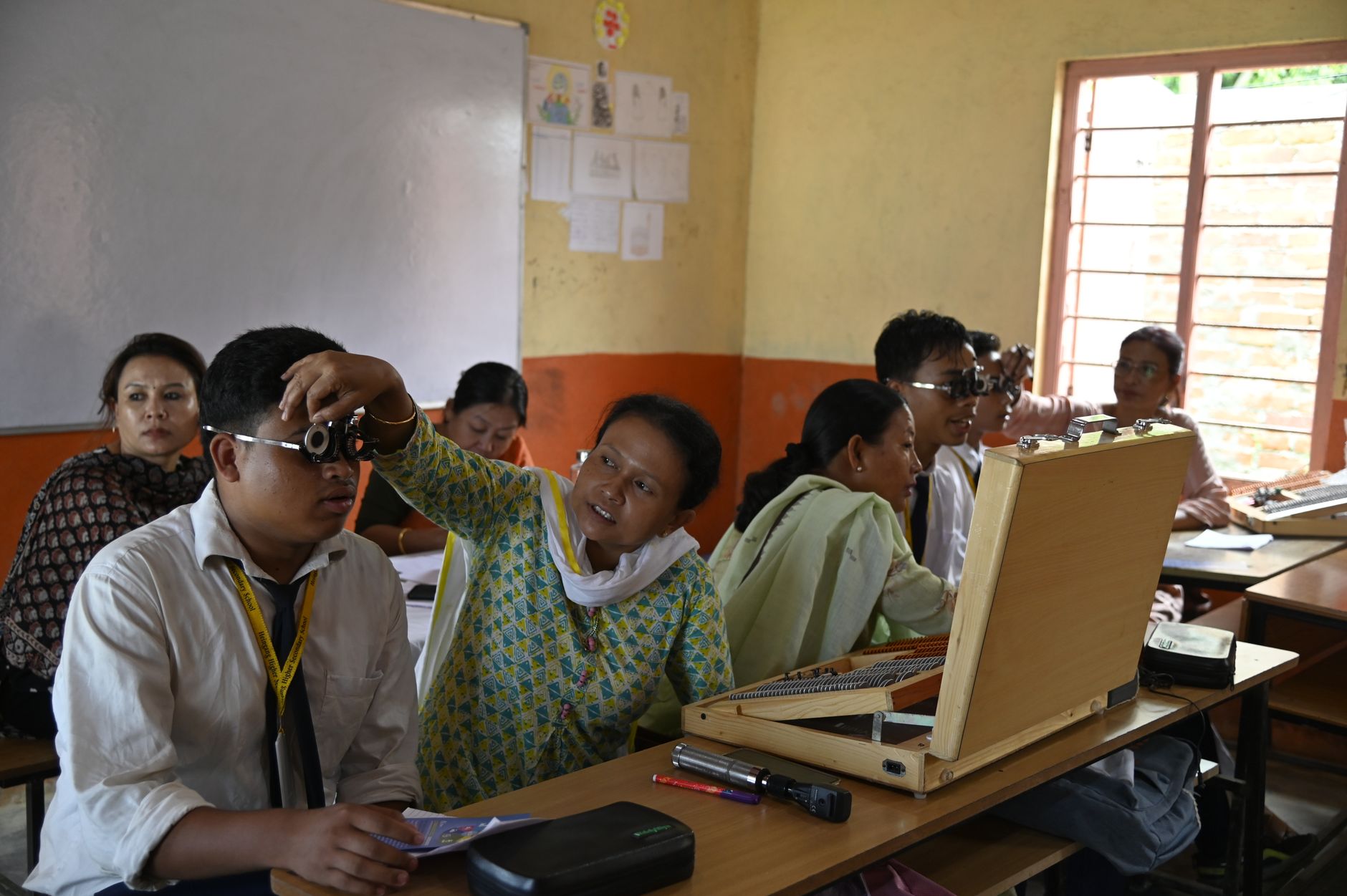
India's education system, despite significant progress since independence, still faces stark disparities. Rural-urban divides, gender gaps, and socioeconomic barriers continue to prevent millions of children from accessing quality education. According to recent assessments, a large proportion of students in government schools struggle with grade-appropriate learning outcomes, highlighting systemic issues that go beyond mere enrollment numbers.
Mandela's Core Educational Principles
Mandela's vision for education rested on several pillars that remain relevant for contemporary India. First, he emphasized education as a fundamental right rather than a privilege—a principle enshrined in India's Right to Education Act but not always realized in practice. His commitment to mother-tongue instruction in early years resonates with India's National Education Policy 2020, which advocates for multilingual education and learning in regional languages.
Second, Mandela understood that education must be inclusive and designed to uplift the marginalized. His focus on reducing inequalities in the classroom mirrors India's need to address the learning gaps between advantaged and disadvantaged students, particularly those from Scheduled Castes, Scheduled Tribes, and economically weaker sections.
Third, he saw education not merely as academic instruction but as character building and values formation. In India's context, this translates to the need for holistic education that develops critical thinking, creativity, and ethical citizenship—moving beyond rote memorization and examination-focused learning.
Practical Applications for India
India can draw several practical lessons from Mandela's educational philosophy:
- Prioritize teacher training and respect for the teaching profession, recognizing educators as nation-builders rather than mere service providers
- Invest substantially in early childhood education, as foundational learning determines future academic success
- Create inclusive curricula that celebrate India's diversity while fostering a shared sense of national identity
- Focus on learning outcomes rather than infrastructure metrics alone, ensuring children actually acquire knowledge and skills
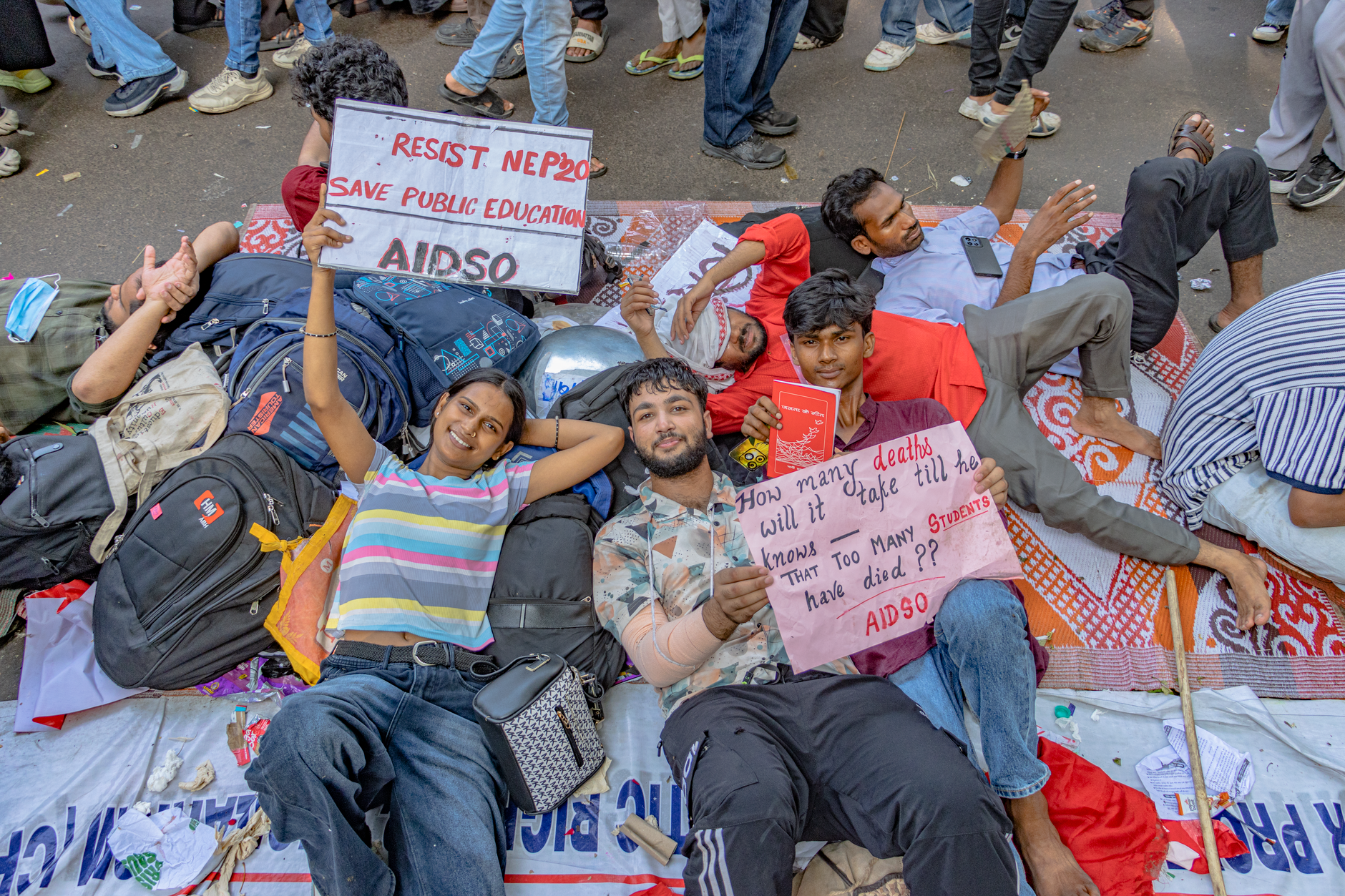
- Strengthen public education systems rather than allowing a two-tier system where quality education becomes exclusively private
- Integrate values education and democratic principles into everyday classroom practices
Addressing Contemporary Challenges
India's specific challenges require adaptations of Mandela's principles. The country's digital divide, exposed starkly during the pandemic, demands innovative solutions that combine technology with human-centered pedagogy. Mandela's emphasis on resourcefulness in the face of constraints offers inspiration for Indian educators working with limited materials and infrastructure.
The growing privatization of education in India also warrants reflection through Mandela's lens. His commitment to public education as a social good challenges the narrative that quality education can only be delivered through private institutions. Strengthening government schools and making them aspirational choices for all families should be a policy priority.
The Role of Community and Leadership
Mandela believed that education was a collective responsibility requiring community participation and political will. India's education system would benefit from greater parental engagement, community oversight of schools, and grassroots movements demanding accountability. School Management Committees, when functioning effectively, exemplify this principle.
Political leadership must also demonstrate Mandela's level of commitment to education. This means sustained budgetary allocations, resistance to short-term political considerations in educational policy, and a long-term vision that prioritizes learning outcomes over visible but superficial interventions.
Building an Equitable Future
Ultimately, Mandela's wisdom reminds us that education is inseparable from social justice. For India to realize its demographic dividend and ensure inclusive growth, it must view educational equity not as charity but as economic and moral necessity. Every child denied quality education represents not just individual loss but national potential squandered.
As India continues its educational reforms, Mandela's life and words serve as both inspiration and roadmap. His transformation from student activist to imprisoned leader to president who prioritized reconciliation and development demonstrates education's power to shape not just individual destinies but entire nations. The question for India is whether it will muster similar political will and social commitment to make quality education truly universal.
This article is for general informational purposes only and represents the author's perspective on educational policy. Specific educational decisions should consider local contexts and expert guidance.