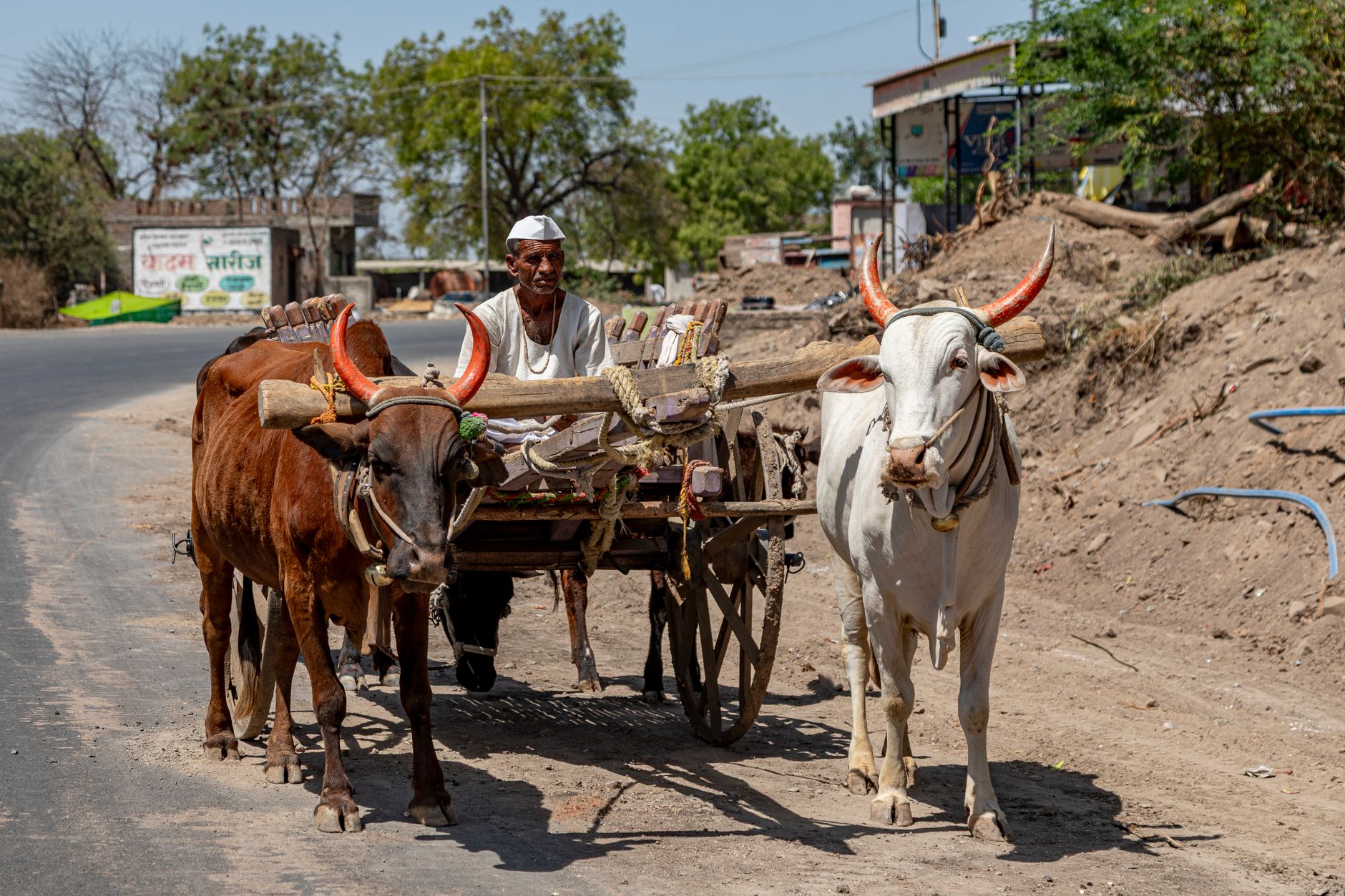
The image of a sophisticated computer being transported on a bullock cart perfectly captures a unique moment in India's technological history. This unusual combination of ancient and modern became a powerful symbol of the country's efforts to bridge the digital divide and bring computing education to every corner of the nation, regardless of infrastructure limitations.
The Dawn of Computer Education in India
During the 1980s, India was taking its first tentative steps into the computer age. While major cities had begun to see mainframe computers in select institutions and government offices, the idea of introducing computers in schools was revolutionary. The government recognised that computer literacy would be essential for the next generation, but the challenge was enormous—how do you introduce sophisticated technology in a country where many schools lacked basic infrastructure like electricity and paved roads?
The initiative to bring computers to schools was part of a broader vision to ensure that Indian students would not be left behind in the global technological revolution. Educational institutions, particularly in rural and semi-urban areas, were identified as key locations where young minds could be introduced to computing concepts.
The Symbolic Journey
The bullock cart journey wasn't just a logistical necessity—it became a defining image of India's technological ambitions meeting its infrastructural realities. In areas where roads were unpaved, electricity was intermittent, and modern transportation was scarce, traditional methods had to be employed to deliver modern technology.
The sight of a delicate, expensive computer being carefully balanced on a wooden cart pulled by oxen represented several truths about India's development path. It showed the determination to make progress regardless of limitations, the willingness to adapt modern goals to local conditions, and the pragmatic approach Indians have historically taken toward solving complex problems.
Challenges of Early Computer Education
Introducing computers in Indian schools during this period came with multiple obstacles:
- Lack of reliable electricity supply in many regions
- Absence of trained teachers who understood computer operations
- Limited maintenance and technical support infrastructure
- High costs of importing computer equipment
- Cultural unfamiliarity with digital technology among both teachers and students
- Language barriers, as most software was in English
Despite these challenges, pioneers in education pushed forward. They recognised that waiting for perfect conditions would mean waiting indefinitely, and that Indian students deserved access to the same tools that were transforming education globally.
Impact on Rural Education
The arrival of computers in rural schools, even if delivered by bullock cart, had a transformative impact on students. For many children, it was their first exposure to technology beyond a radio or television. The computer became an object of fascination and aspiration.
Teachers had to be creative in their approach. With limited electricity, some schools could only run computers for a few hours a day. With only one or two machines available, students had to take turns, sometimes getting just fifteen minutes of hands-on time per week. Yet these constraints fostered a deep appreciation for the opportunity and a determination to make the most of limited resources.
Bridging Two Worlds
The bullock cart delivery symbolised India's unique position as a nation straddling two worlds. It was simultaneously ancient and modern, rural and aspirational, rooted in tradition yet reaching toward the future. This duality has characterised much of India's development journey.
The story resonated because it showed that progress doesn't always follow a linear path. Countries don't need to fully modernise their infrastructure before beginning to modernise their education. Sometimes, you work with what you have, combining old and new in ways that might seem contradictory but are actually profoundly practical.
Legacy and Lessons
Today, India has become a global technology powerhouse, producing millions of engineers and IT professionals annually. The journey from bullock cart computer deliveries to being a leading destination for software development and digital innovation has been remarkable.
The early efforts to bring computer education to every part of India, regardless of how remote or underdeveloped, laid important groundwork. They established the principle that access to technology should not be limited by geography or socioeconomic status. They proved that Indian students, given the opportunity, could excel in technology fields regardless of their starting point.
The bullock cart story remains a powerful reminder that determination and creativity can overcome infrastructural limitations, and that the journey toward progress often requires blending the old with the new in unexpected ways.