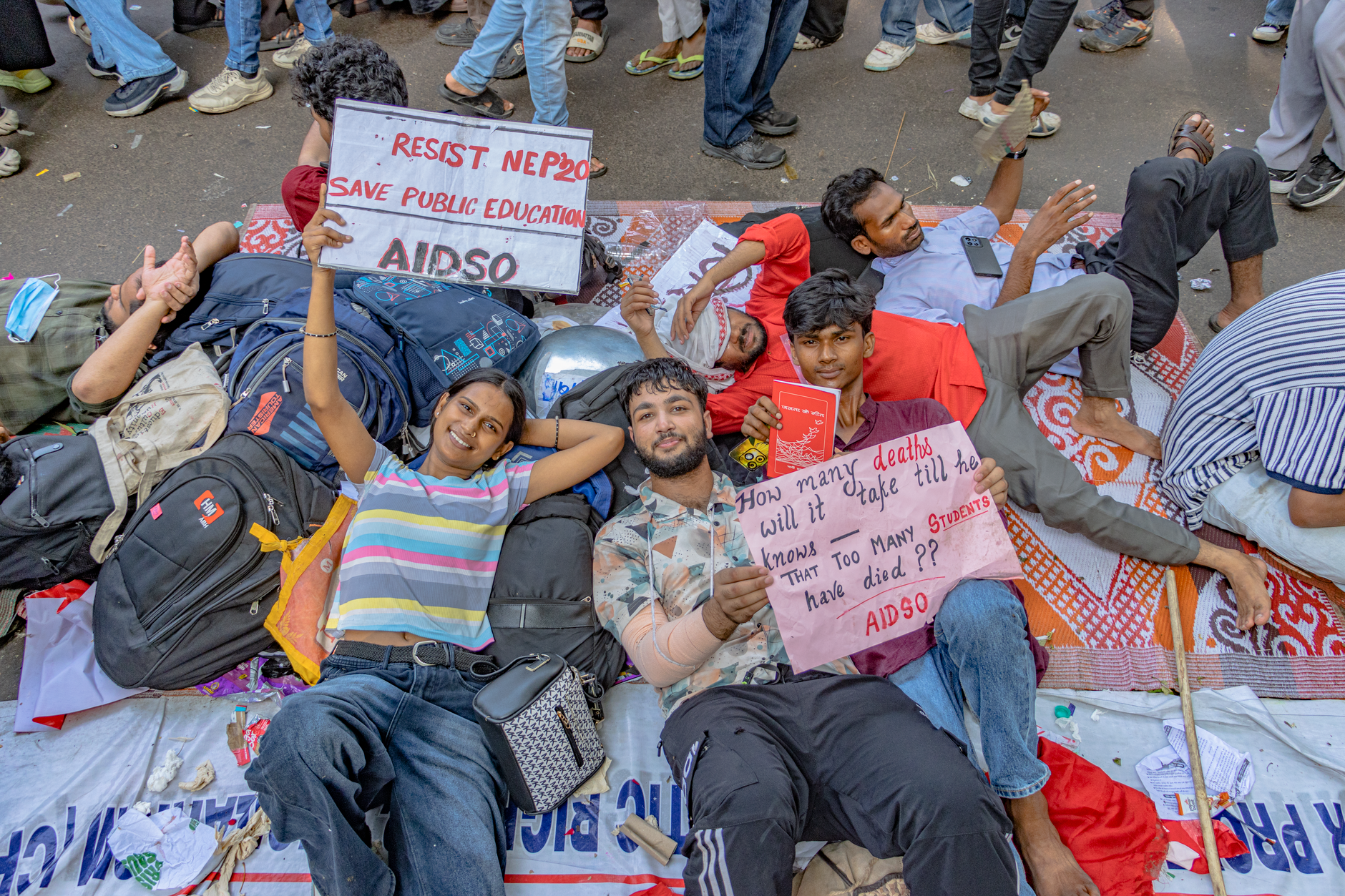
Student activism has a long history in India, and the current wave of protests by young people reflects deep anxieties about the education system, job opportunities, and their economic future. Understanding the roots of these demonstrations requires looking at several intersecting factors affecting India's youth today.
The Education System Under Scrutiny
India's education system serves over 250 million students, making it one of the largest in the world. However, critics argue that it has struggled to keep pace with the needs of a rapidly evolving economy. Young protesters have raised concerns about outdated curricula, rote learning methods that prioritize memorization over critical thinking, and a disconnect between what students learn and the skills employers actually seek.
Recent education policy changes have also sparked controversy. When governments introduce reforms without adequate consultation with students and educators, it often triggers backlash. Protesters have questioned whether new policies truly address systemic problems or simply add bureaucratic layers without improving educational quality.
The Jobs Crisis and Unemployment Fears
Perhaps the most significant driver of youth protests is the employment situation. Despite being one of the world's fastest-growing major economies, India faces a persistent youth unemployment challenge. Millions of graduates enter the job market each year competing for limited positions, particularly in the government sector which remains highly coveted for its stability and benefits.
The unemployment rate among educated youth is particularly troubling. Engineering graduates, MBA holders, and other degree recipients often find themselves either unemployed or underemployed in positions that don't match their qualifications. This has created a sense of frustration and betrayal among young people who invested years and significant family resources into education with the expectation of secure, well-paying careers.
Examination and Admission Controversies
Competitive examinations for university admissions and government jobs have become flashpoints for protest. Issues include:
- Allegations of paper leaks and cheating scandals that undermine merit-based selection
- Sudden changes to exam patterns or syllabi without adequate notice
- Limited seats in prestigious institutions despite growing numbers of qualified candidates
- Concerns about the fairness and transparency of evaluation processes
- Technical glitches in online examinations that disadvantage certain candidates
When students perceive that the system is rigged or that their efforts are being undermined by administrative failures or corruption, protests become a way to demand accountability and systemic reform.
Reservation Policies and Social Justice Debates
India's affirmative action system, which reserves seats in educational institutions and government jobs for historically marginalized communities, remains contentious. While supporters view reservations as necessary for addressing centuries of discrimination, some protesters have demanded reforms to the system, arguing for more nuanced approaches that consider economic status alongside caste.
These debates reflect broader questions about equity, merit, and social justice that young Indians are grappling with as they navigate an intensely competitive environment.
Digital Activism and Social Media Amplification
Today's student protests differ from previous generations in their use of digital tools. Social media platforms allow young protesters to organize rapidly, share information about demonstrations, document police actions, and build solidarity across geographic boundaries. Hashtag campaigns can bring national and even international attention to local issues, amplifying student voices in unprecedented ways.
This digital dimension has made protests more visible and harder for authorities to ignore, while also allowing misinformation to spread and complicating efforts to find common ground.
What Students Are Demanding
While specific demands vary by location and context, common themes include:
- Transparent and fair examination systems
- Meaningful curriculum reforms that prepare students for modern careers
- Increased funding for education and infrastructure improvements
- More opportunities for quality higher education
- Government action on unemployment and job creation
- Better communication and consultation before policy changes
- Accountability for administrative failures and corruption
Looking Forward
The persistence of student protests signals that young Indians feel the current system is failing them. Whether these demonstrations lead to meaningful reform will depend on how responsive policymakers are to legitimate grievances and whether they can develop solutions that balance competing interests while truly improving educational and employment outcomes.
For India to harness its demographic dividend—with roughly 600 million people under age 25—addressing these concerns isn't just about quelling protests. It's about creating an education and employment ecosystem that gives young people genuine hope for their futures and allows them to contribute their talents to building the nation.
This article provides general information about ongoing social and educational issues and does not represent any specific political viewpoint or advocate for particular policy positions.
===END===