India's education system has long been characterised by central oversight, standardised curricula, and uniform examination patterns. While this approach was designed to maintain quality standards across a diverse nation, it has increasingly drawn criticism for creating a one-size-fits-all framework that may not serve the varied needs of India's youth.
The Current State of Centralisation
The education landscape in India operates under significant central control, with bodies like the CBSE and NCERT setting curricula and examination standards for millions of students. State boards exist alongside central frameworks, but even these often mirror national patterns. This centralisation extends to higher education through institutions like the UGC and AICTE, which regulate universities and professional colleges across the country.
The system was originally designed to ensure minimum standards and prevent fragmentation in a newly independent nation. However, decades later, critics argue that excessive centralisation has created rigidity that fails to account for India's linguistic, cultural, and economic diversity.
Why Decentralisation Matters
Decentralising education could address several persistent challenges:
- Regional curricula could incorporate local languages, cultural contexts, and economically relevant skills
- States and local bodies could adapt teaching methods to suit their specific student populations
- Innovation in pedagogy would face fewer bureaucratic hurdles
- Local communities could have greater say in what and how their children learn
- Resources could be allocated based on specific regional needs rather than broad national averages
Countries like Finland and Canada have demonstrated that decentralised education systems can achieve excellent outcomes by empowering local educators and administrators to make contextual decisions.
The Creativity and Critical Thinking Gap
A significant criticism of India's current system is its emphasis on rote learning and examination performance over creativity and critical thinking. Standardised testing, while providing measurable outcomes, often encourages memorisation rather than deep understanding or original thought.
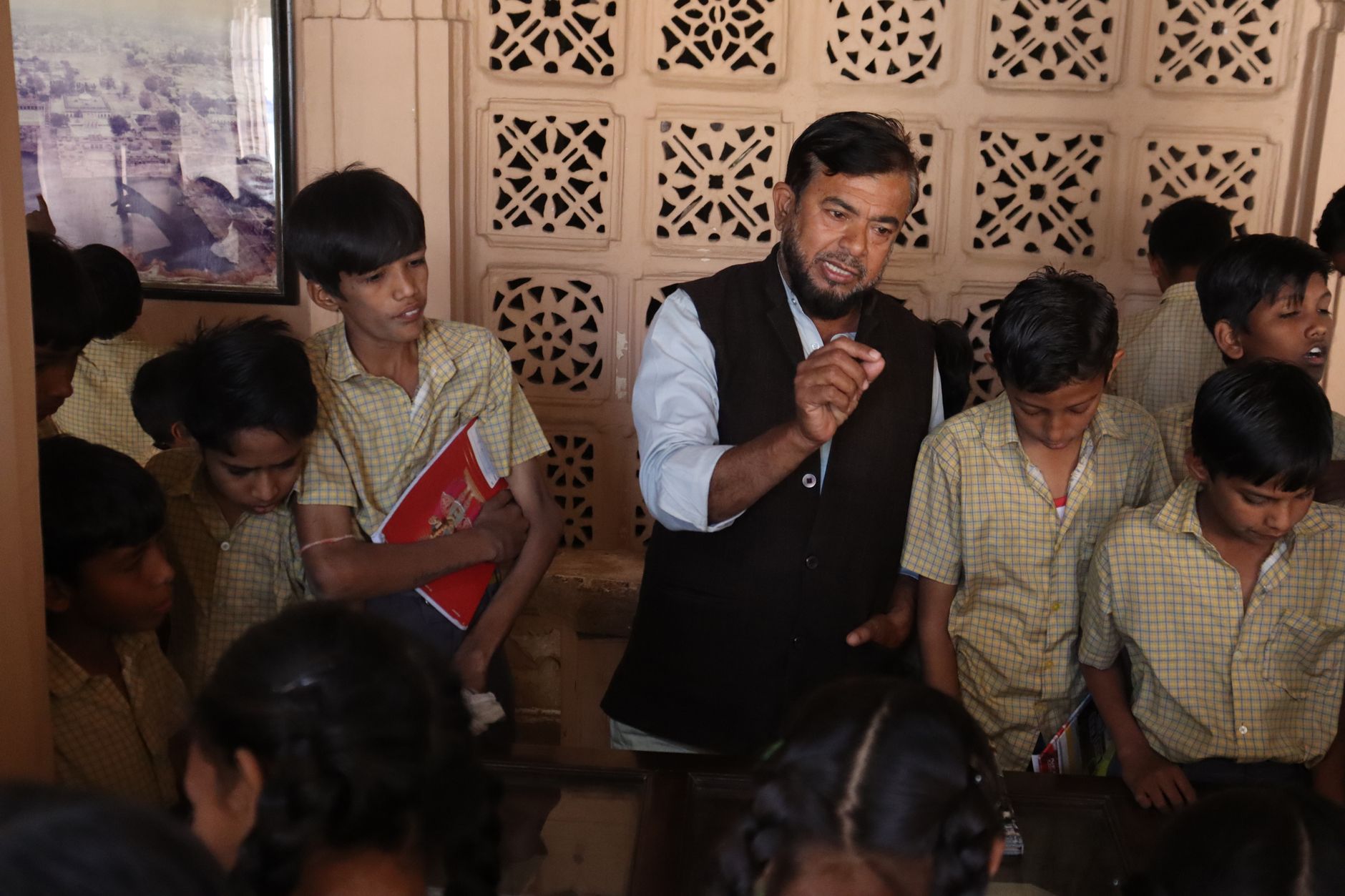
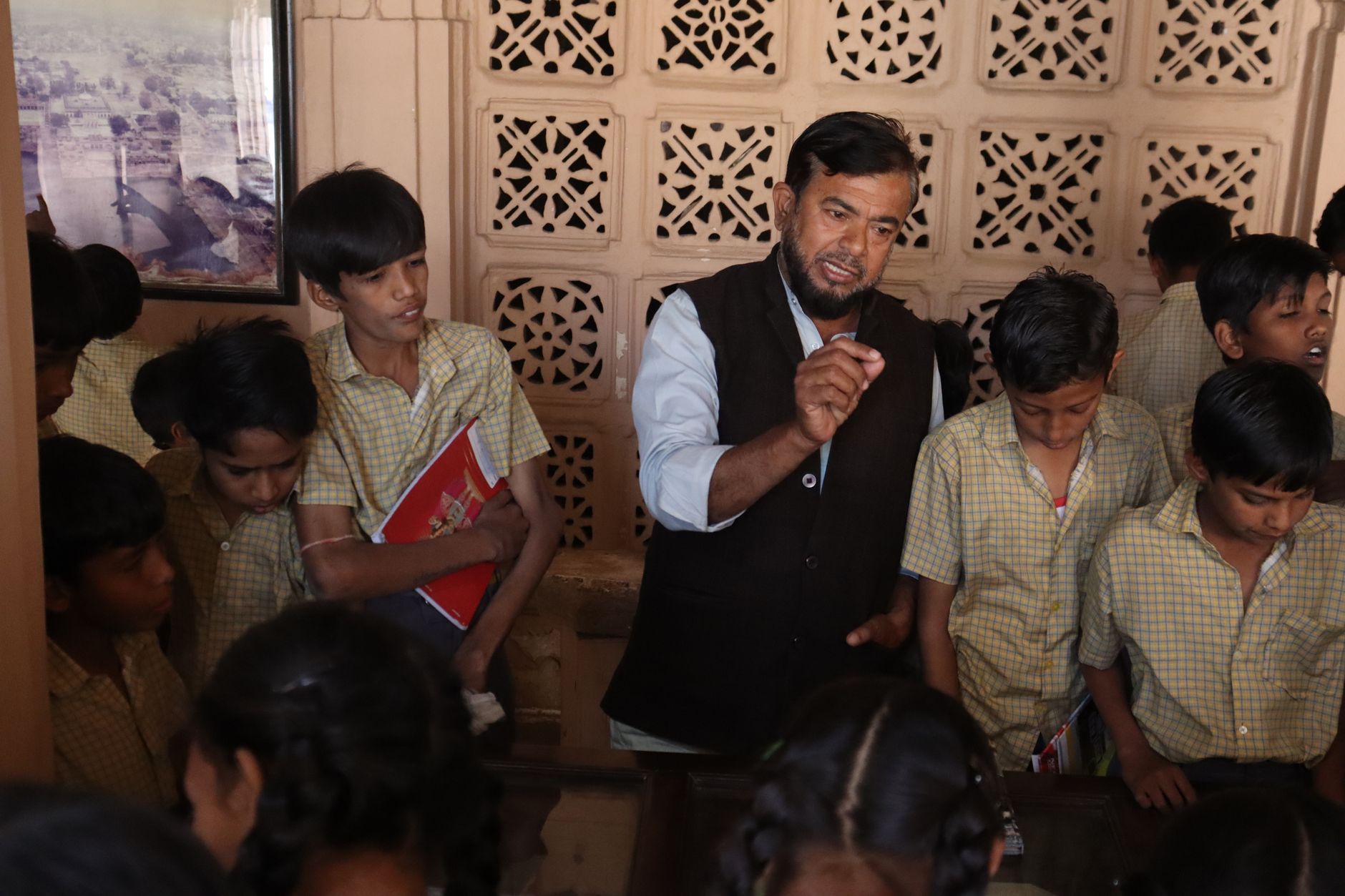
Students across India prepare for identical examinations, regardless of whether they live in metropolitan areas with extensive resources or rural regions with limited infrastructure. This uniformity can disadvantage students whose lived experiences differ significantly from the assumed baseline of curriculum designers.
Decentralisation could allow educators to experiment with project-based learning, skill development programmes tailored to local industries, and assessment methods that reward creativity alongside knowledge retention.
Practical Challenges of Reform
Transitioning to a more decentralised model presents significant challenges. Quality control becomes more complex when authority is distributed across multiple bodies. States with limited resources might struggle to develop robust educational frameworks without central support.
There are also concerns about maintaining educational equity. Centralisation, despite its flaws, ensures that students in every state have access to a baseline standard of education. Decentralisation without adequate safeguards could widen gaps between well-resourced and under-resourced regions.
Teacher training programmes would need overhaul to prepare educators for more autonomous, locally-relevant teaching. Examination systems would require reimagining to balance local flexibility with nationally recognised credentials that facilitate student mobility.
The Middle Path Forward
Rather than complete decentralisation, a hybrid model might serve India best. The National Education Policy 2020 attempts this balance by providing broad frameworks while allowing states flexibility in implementation. However, critics argue that actual ground-level changes remain limited.
A reformed system could maintain certain national standards for core competencies while giving states and even districts autonomy over significant portions of curriculum content, teaching methods, and assessment styles. This would preserve educational mobility and baseline quality while enabling the innovation and contextual relevance that critics demand.
Technology could facilitate this transition by providing platforms for sharing best practices between regions while allowing customisation. Digital infrastructure could enable students in decentralised systems to access resources beyond their immediate locality.
Student Voice in Reform
Any meaningful reform must consider student experiences and aspirations. India's youth today face a rapidly changing job market, global competition, and challenges their predecessors never encountered. An education system designed for the 20th century may inadequately prepare them for these realities.
Engaging students, teachers, and local communities in designing educational frameworks could produce systems that better serve actual needs rather than theoretical ideals. Decentralisation naturally facilitates such engagement by bringing decision-making closer to those affected by it.
The debate over centralisation versus decentralisation in Indian education reflects broader questions about governance, diversity, and development. While complete central control may stifle innovation and local relevance, thoughtful decentralisation with appropriate safeguards could create a more responsive, creative, and effective education system for India's diverse population.