India's tourism sector stands at a crossroads. Despite being home to UNESCO World Heritage sites, diverse landscapes, and rich cultural heritage, the country continues to lag behind regional competitors in attracting international visitors. The World Travel & Tourism Council's recent call for comprehensive visa reforms and increased tourism investment highlights urgent gaps that need addressing.
The Current State of Indian Tourism
India welcomed approximately 9.2 million foreign tourist arrivals in 2023, a recovery from pandemic lows but still below pre-COVID numbers. Compare this to Thailand's nearly 30 million visitors or Malaysia's 26 million, and the gap becomes apparent. The tourism sector contributes roughly 5-6% to India's GDP, significantly lower than many Southeast Asian nations where tourism accounts for 10-15% of economic output.
The sector employs over 40 million people directly and indirectly, making it a crucial pillar for job creation, particularly in tier-2 and tier-3 cities where employment opportunities remain limited.
The Visa Reform Imperative
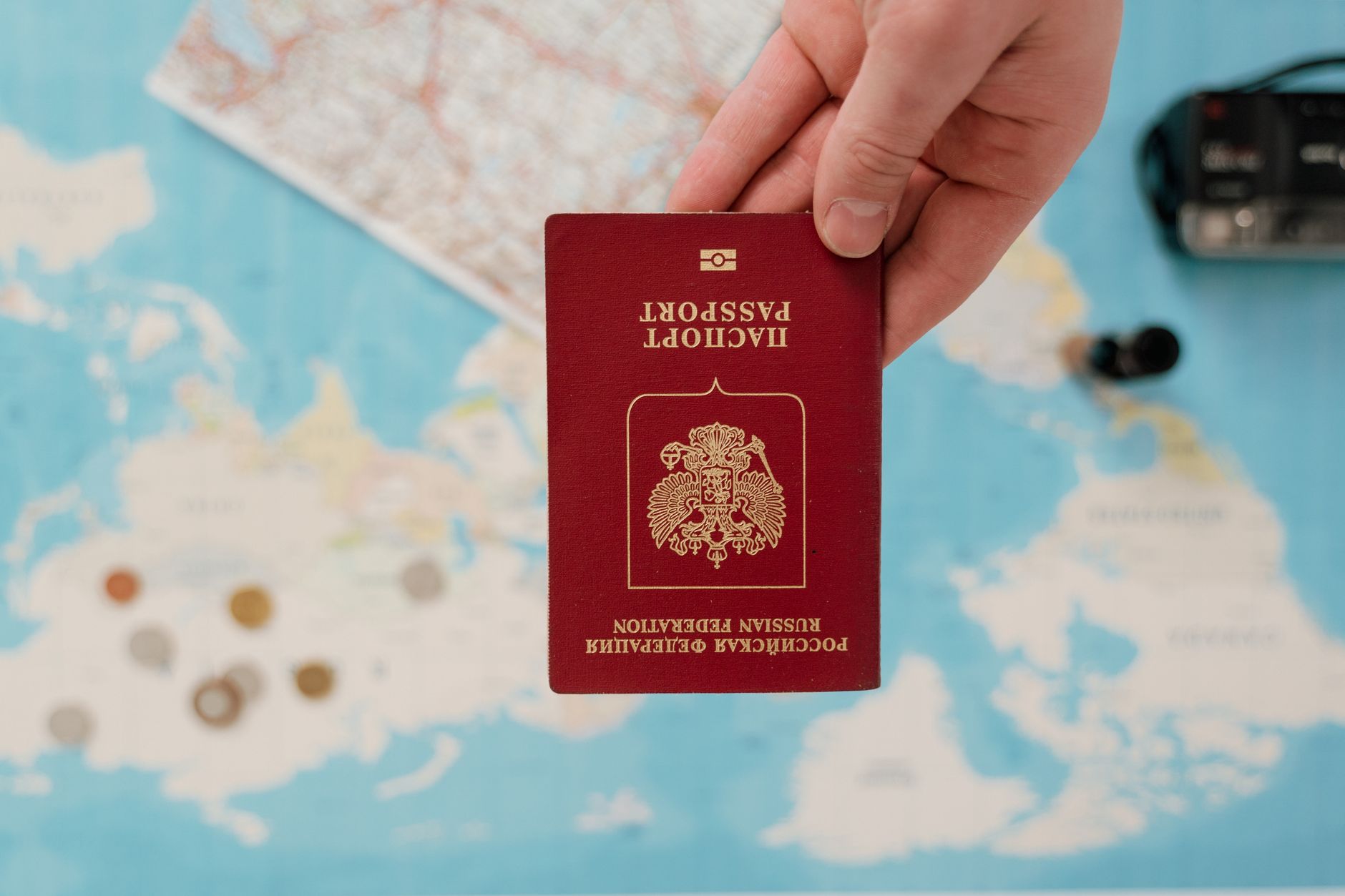
India's current visa system, while having improved with e-visa facilities, still presents hurdles for potential visitors. Processing times can be unpredictable, categories are numerous and sometimes confusing, and costs remain relatively high compared to competitor destinations.
The e-visa system, introduced in 2014, covers citizens from about 170 countries but comes with restrictions. Processing typically takes 3-5 business days, whereas neighboring countries offer visa-on-arrival or 24-hour processing. For spontaneous travelers or those planning short trips, these delays can be deal-breakers.
Several specific reforms could transform India's accessibility:
- Expanding visa-on-arrival facilities beyond the current limited scope
- Streamlining the e-visa application process with fewer documentation requirements
- Introducing longer-validity tourist visas to encourage repeat visits
- Creating dedicated fast-track lanes at major international airports
- Reducing visa fees to match regional competitors
Why Investment in Tourism Infrastructure Matters
Beyond visa accessibility, India's tourism infrastructure requires substantial upgrades. Many tourist destinations lack basic amenities that international visitors expect, from clean public restrooms to reliable transportation networks.
Investment priorities should include:
- Modernizing airports in tourist-heavy regions beyond Delhi, Mumbai, and Bangalore
- Developing world-class convention centers to attract business tourism
- Upgrading railway connectivity to heritage sites
- Creating tourist-friendly public transportation in major cities
- Establishing more international-standard accommodation options at various price points
- Improving last-mile connectivity to monuments and attractions
The government's current tourism budget allocation remains modest compared to the sector's potential. Countries like Thailand and Singapore invest heavily in tourism promotion and infrastructure, viewing it as a strategic economic driver rather than a peripheral concern.
Regional Competition and Lessons
Southeast Asian nations have demonstrated how strategic tourism investment pays dividends. Thailand's "Amazing Thailand" campaign and infrastructure development transformed it into a must-visit destination. Dubai invested billions in creating attractions and hospitality infrastructure, positioning itself as a global hub despite limited natural attractions.
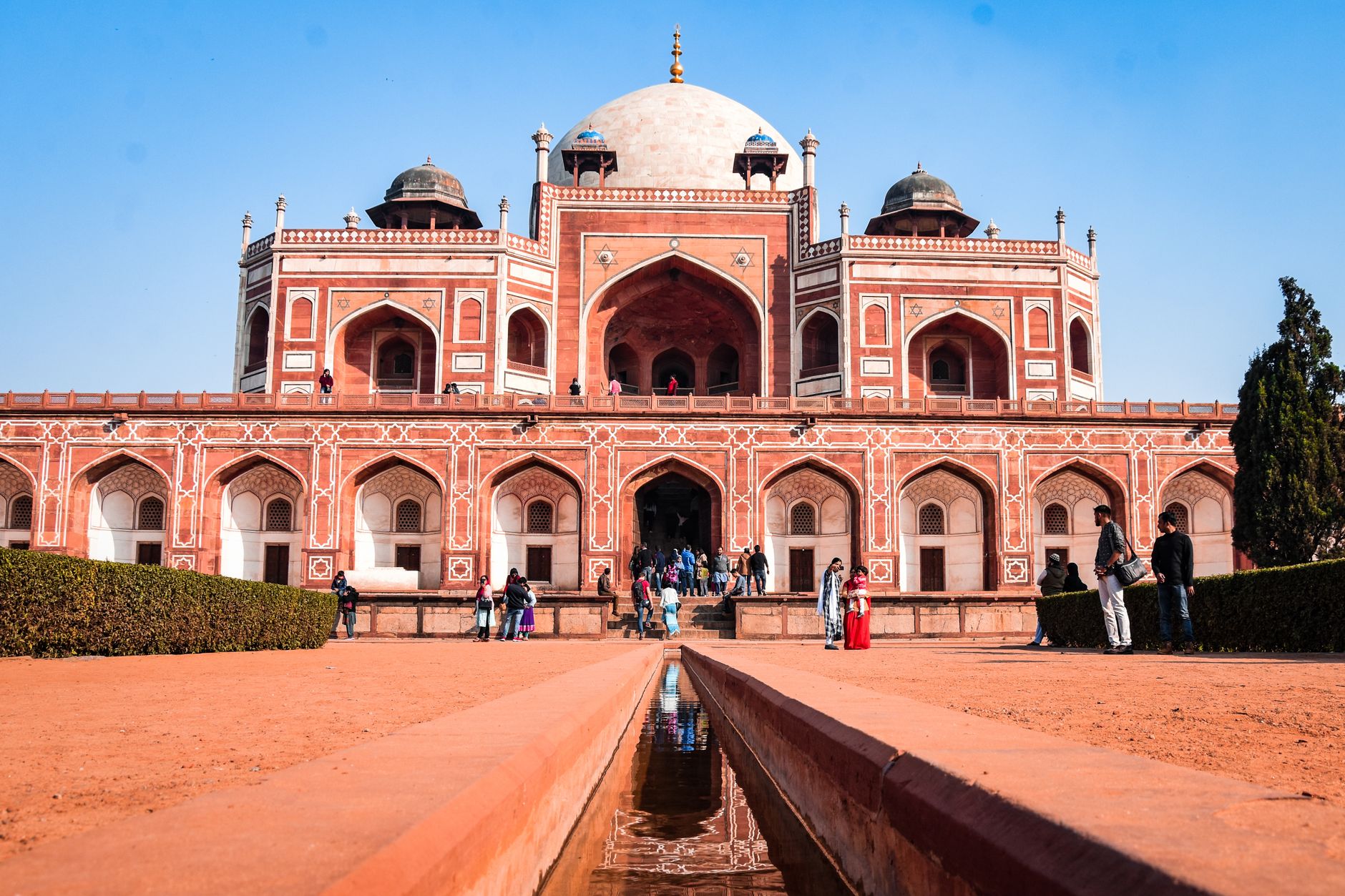
India possesses natural advantages these destinations cannot match: the Himalayas, beaches spanning two coasts, wildlife sanctuaries, spiritual tourism sites, medical tourism capabilities, and 5,000 years of documented history. Yet these assets remain underutilized due to accessibility barriers and infrastructure gaps.
Economic Multiplier Effects
Tourism reform delivers benefits beyond direct revenue. Each international tourist spends money across multiple sectors: accommodation, food, transportation, shopping, and entertainment. This creates jobs in hospitality, handicrafts, local transportation, and ancillary services.
States like Kerala, Rajasthan, and Goa have demonstrated how focused tourism development can transform local economies. Similar potential exists in lesser-known destinations like Northeastern states, Odisha's temple circuit, or Karnataka's heritage sites, if supported with adequate infrastructure and marketing.
The Path Forward
Implementing comprehensive visa reforms requires coordination between the Ministry of Home Affairs, Ministry of External Affairs, and immigration authorities. Tourism infrastructure investment needs both public funding and policy frameworks that encourage private participation.
The benefits of acting now are substantial. Global tourism is rebounding strongly post-pandemic, with travelers seeking new destinations. India's window to capture this momentum requires decisive action on visa accessibility and infrastructure gaps.
With strategic reforms and sustained investment, India could realistically double its foreign tourist arrivals within five years, creating millions of jobs and significantly boosting foreign exchange earnings. The question is whether policymakers recognize the urgency and commit resources accordingly.