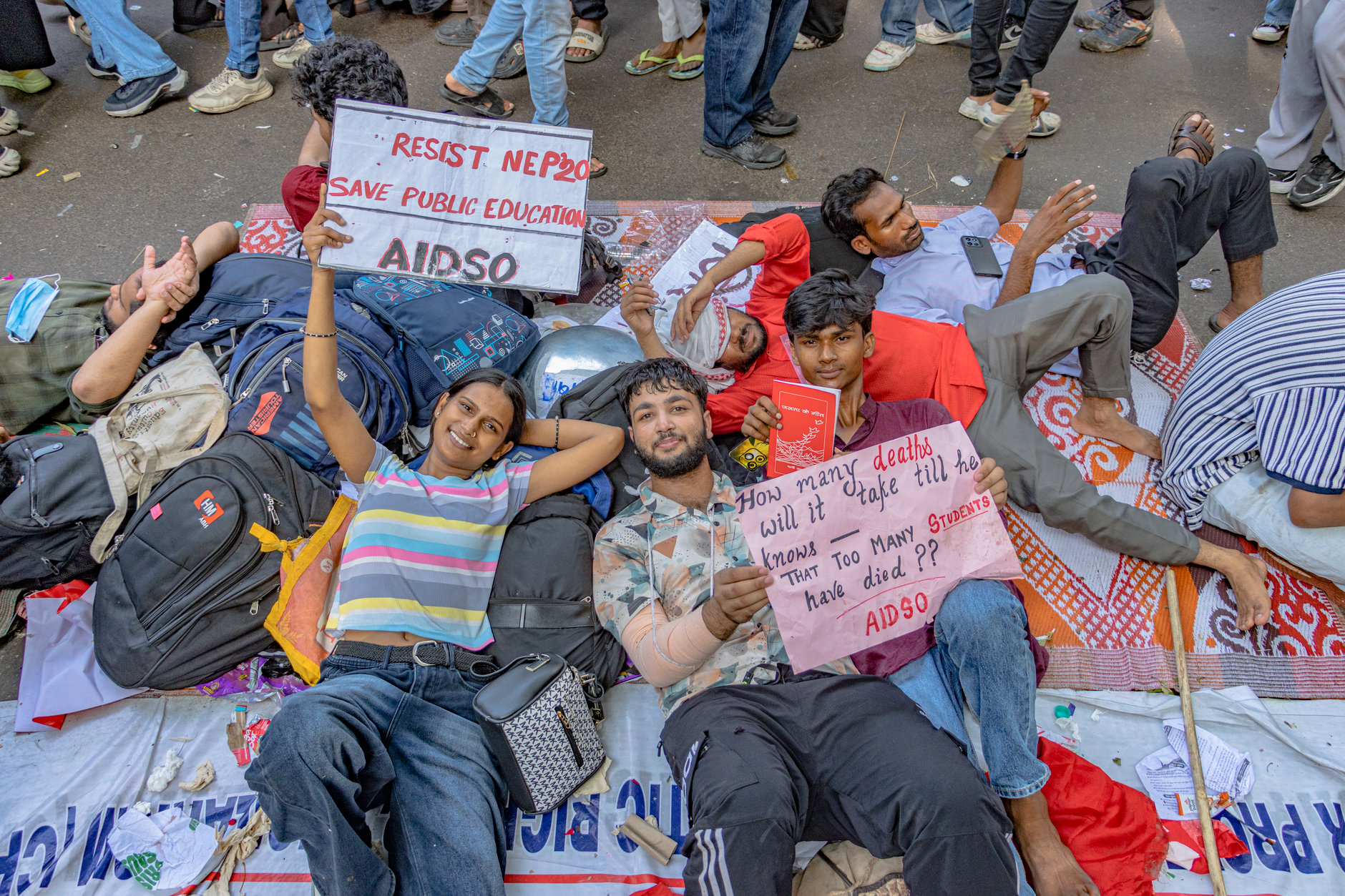
India's education system has long been characterized by intense competition, high-stakes examinations, and immense pressure on students to succeed. Recently, a youth-driven protest movement has emerged, adopting the unusual symbol of a cockroach to represent their resilience and discontent with the current state of education policy. This grassroots movement has begun to concern authorities as it gains momentum across college campuses and social media platforms.
The Symbolism Behind the Movement
The choice of a cockroach as the movement's emblem is deliberate and layered with meaning. Cockroaches are known for their remarkable ability to survive in harsh conditions, their resistance to elimination, and their persistence despite efforts to eradicate them. Students have embraced this imagery to represent their determination to survive and resist what they view as an oppressive educational framework that prioritizes rote learning, standardized testing, and competition over holistic development and mental well-being.
The movement's participants argue that they are treated as expendable by a system that processes millions of students through competitive exams like JEE, NEET, and various state-level entrance tests, with little regard for individual potential or diverse forms of intelligence.
Core Grievances of the Student Movement
The cockroach movement has coalesced around several key concerns that resonate with millions of Indian students and their families. Primary among these is the excessive emphasis on entrance examinations that determine access to premier institutions. Students spend years in coaching centers, often at the expense of their childhood and broader education, preparing for exams that have acceptance rates in the single digits.
Mental health concerns have also taken center stage. India has witnessed alarming rates of student suicides, particularly in coaching hub cities like Kota, Rajasthan. The relentless pressure to perform, combined with limited counseling resources and social stigma around mental health, has created a crisis that the movement seeks to address.
Additionally, protesters highlight the growing cost of education and the proliferation of private coaching industries that have made quality education increasingly inaccessible to students from lower-income backgrounds. This commercialization of education contradicts the principle of equal opportunity that India's constitution promises.
Why This Concerns Policymakers
The movement's rapid spread through social media and its ability to mobilize students across different states has caught the attention of educational authorities and political leadership. Unlike traditional student protests that remain confined to specific campuses or issues, the cockroach movement's decentralized nature and viral symbolism make it difficult to address through conventional channels.
The movement also touches on politically sensitive topics. Education policy has become a major electoral issue, with youth unemployment and the perceived disconnect between education and employability creating voter discontent. A sustained student movement challenging the fundamental structure of India's education system could translate into political consequences.
Furthermore, the movement highlights the gap between policy announcements and ground-level implementation. Despite the introduction of the National Education Policy 2020, which promises reduced exam pressure and holistic education, students argue that meaningful change has not materialized in their daily academic lives.
The Broader Context of Educational Reform
India's education system serves one of the world's largest student populations, with over 250 million students enrolled in schools and approximately 40 million in higher education. Reforming such a massive system involves complex challenges including infrastructure limitations, teacher training, updating curricula, and balancing traditional values with contemporary needs.
The cockroach movement emerges at a time when India aspires to position itself as a global knowledge economy. However, critics argue that an education system focused on memorization and standardized testing produces graduates who struggle with critical thinking, creativity, and practical application of knowledge—skills increasingly demanded by modern employers.
Potential Implications and the Path Forward
The persistence of this student movement may compel authorities to accelerate education reforms beyond policy documents. There is growing recognition that India's demographic dividend can only be realized if the education system equips young people with relevant skills and supports their mental well-being.
Some educators and policymakers have begun calling for reduced emphasis on single high-stakes exams, multiple pathways to higher education, integration of vocational training with academic learning, and substantial investment in student counseling services.
Whether the cockroach movement will lead to substantive reforms or dissipate as students move through the system remains to be seen. However, its emergence signals that India's youth are increasingly unwilling to accept educational practices they view as outdated and harmful, and their voices are becoming harder to ignore.