India's education system stands at a crossroads. While lawmakers frequently respond to educational challenges with new regulations and stricter enforcement mechanisms, the persistent problems plaguing the sector suggest that legislative action alone is insufficient. The root causes of educational underperformance run far deeper than compliance issues, demanding a fundamental rethinking of how we approach learning in the world's most populous nation.
The Limitation of Law-Based Solutions
Introducing new educational laws has become a reflexive response to every crisis, from examination paper leaks to safety concerns in schools. While regulations certainly have their place in ensuring minimum standards and accountability, they cannot address the structural deficiencies embedded within the system itself. Laws can mandate teacher-student ratios, but they cannot guarantee quality instruction. They can prescribe curriculum frameworks, but they cannot ensure students develop genuine understanding rather than merely memorizing facts for examinations.
The tendency to legislate rather than reform reflects a convenient political solution that appears decisive without requiring the hard work of systemic transformation. However, the classroom realities faced by millions of students daily remain largely unchanged by these top-down directives.
Infrastructure and Resource Gaps
A significant portion of India's schools, particularly in rural areas, lack basic infrastructure. Many operate without proper classrooms, functional toilets, drinking water facilities, or adequate teaching materials. While the Right to Education Act mandated certain infrastructure norms, compliance remains patchy over a decade later.
The digital divide has become especially apparent in recent years. Students in urban private schools access smart classrooms and online resources, while their rural counterparts often study in buildings without electricity. This disparity creates fundamentally unequal learning environments that no amount of regulatory oversight can equalize without substantial investment in physical and digital infrastructure.
Teacher Training and Motivation
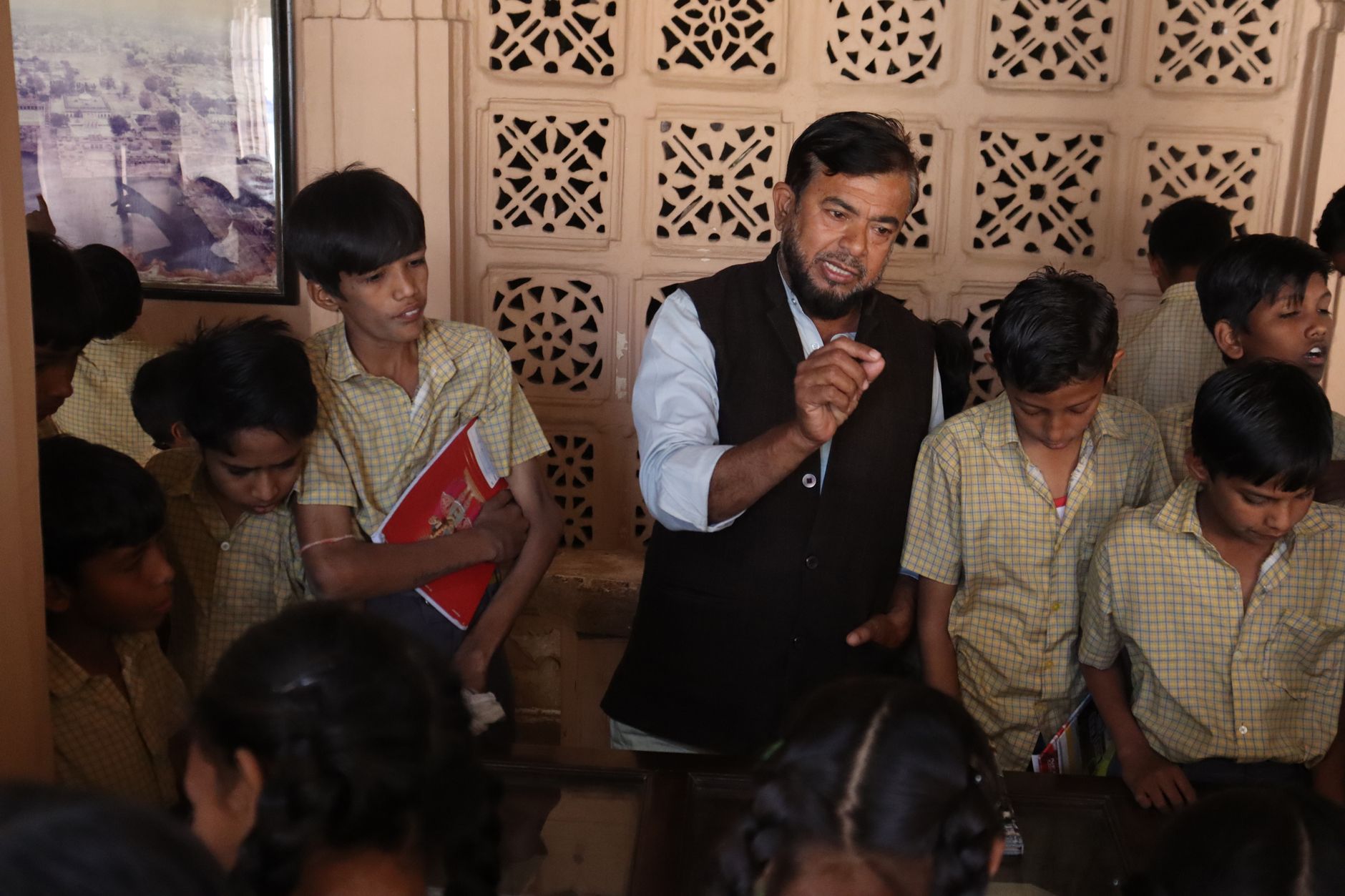
The quality of education depends ultimately on the quality of teachers. India faces both a shortage of trained educators and inadequate preparation of those who enter the profession. Teacher training programs often emphasize theoretical pedagogy while providing limited practical classroom experience. Many teachers enter the profession without sufficient content knowledge in the subjects they teach.
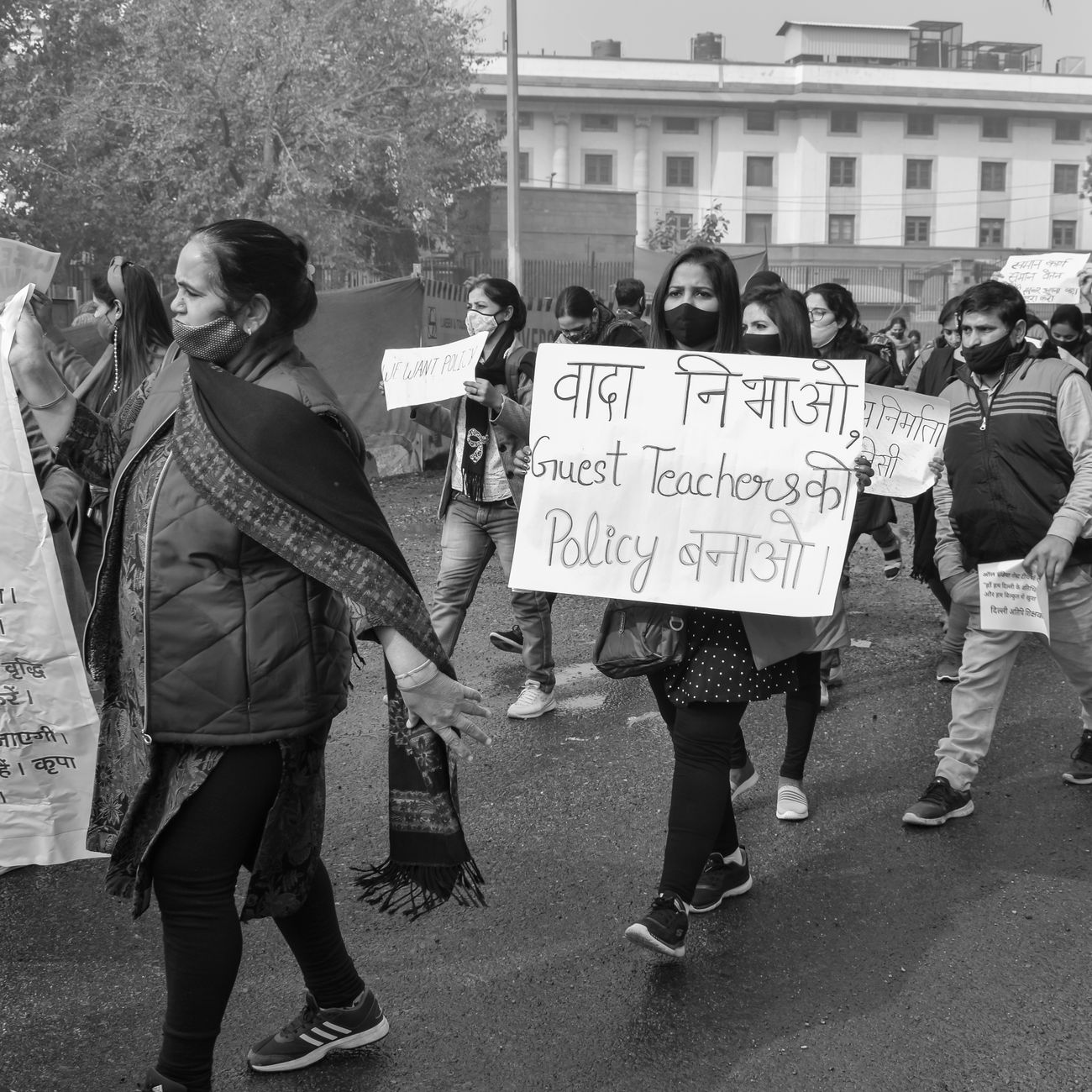
Furthermore, teacher motivation suffers from low salaries in many states, limited career advancement opportunities, and mounting administrative burdens that reduce actual teaching time. Contract teachers and para-teachers, employed to fill gaps, typically receive minimal training and compensation, creating a two-tier system within government schools.
The Examination Obsession
Perhaps the most fundamental flaw in India's education system is its overwhelming focus on high-stakes examinations. The entire educational journey becomes oriented toward board exams and competitive entrance tests, reducing learning to a ritualized process of memorization and test-taking strategies.
This examination culture has several damaging consequences:
- Students learn to reproduce information rather than understand concepts
- Creativity and critical thinking receive little emphasis or reward
- Excessive stress and anxiety affect student mental health
- Coaching institutes become parallel education systems
- Subjects not covered in major exams are marginalized
- Learning becomes divorced from real-world application
Curriculum Relevance and Skill Development
The prescribed curricula in many schools bear limited connection to the competencies required in contemporary workplaces or higher education. Rote learning remains dominant, while skills like analytical thinking, communication, collaboration, and digital literacy receive inadequate attention.
Vocational education carries social stigma despite India's massive skilled workforce requirements. The academic versus vocational divide creates artificial hierarchies that channel students into paths regardless of aptitude or interest, leading to both unemployment among graduates and shortages in skilled trades.
Language and Access
The medium of instruction debate continues to affect educational access and outcomes. English medium education is seen as a pathway to opportunity, creating demand that private schools exploit while government schools struggle with teacher capacity. Meanwhile, instruction in regional languages sometimes lacks quality materials, particularly for science and mathematics.
This linguistic complexity affects not just classroom learning but access to educational technology and resources, most of which are produced in English.
The Way Forward
Meaningful education reform requires moving beyond regulatory frameworks to address these interconnected challenges. Investment in teacher development, infrastructure, and curriculum innovation must accompany any legislative measures. Assessment systems should evaluate understanding and application rather than recall. Technology should be leveraged to extend quality education rather than exacerbate existing inequalities.
Most importantly, education policy must recognize that learning is a human process that cannot be fully captured in legal text. Creating environments where curiosity thrives, where failure is part of learning, and where diverse talents are valued requires cultural transformation alongside institutional change.
India's demographic dividend depends on education that develops capable, adaptable citizens. Achieving this goal demands looking beyond the relative simplicity of passing laws to embrace the complex, sustained work of genuine systemic reform.