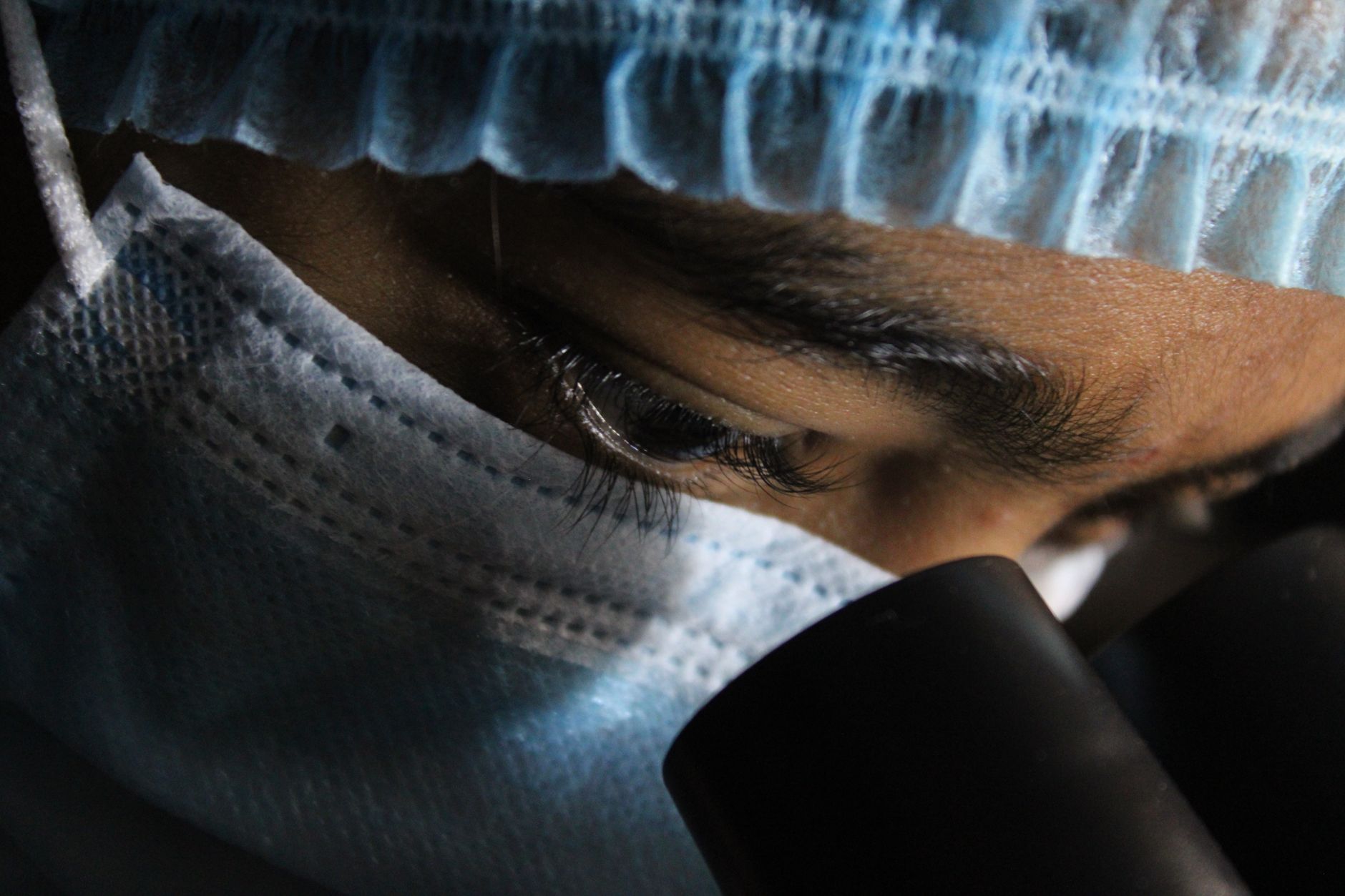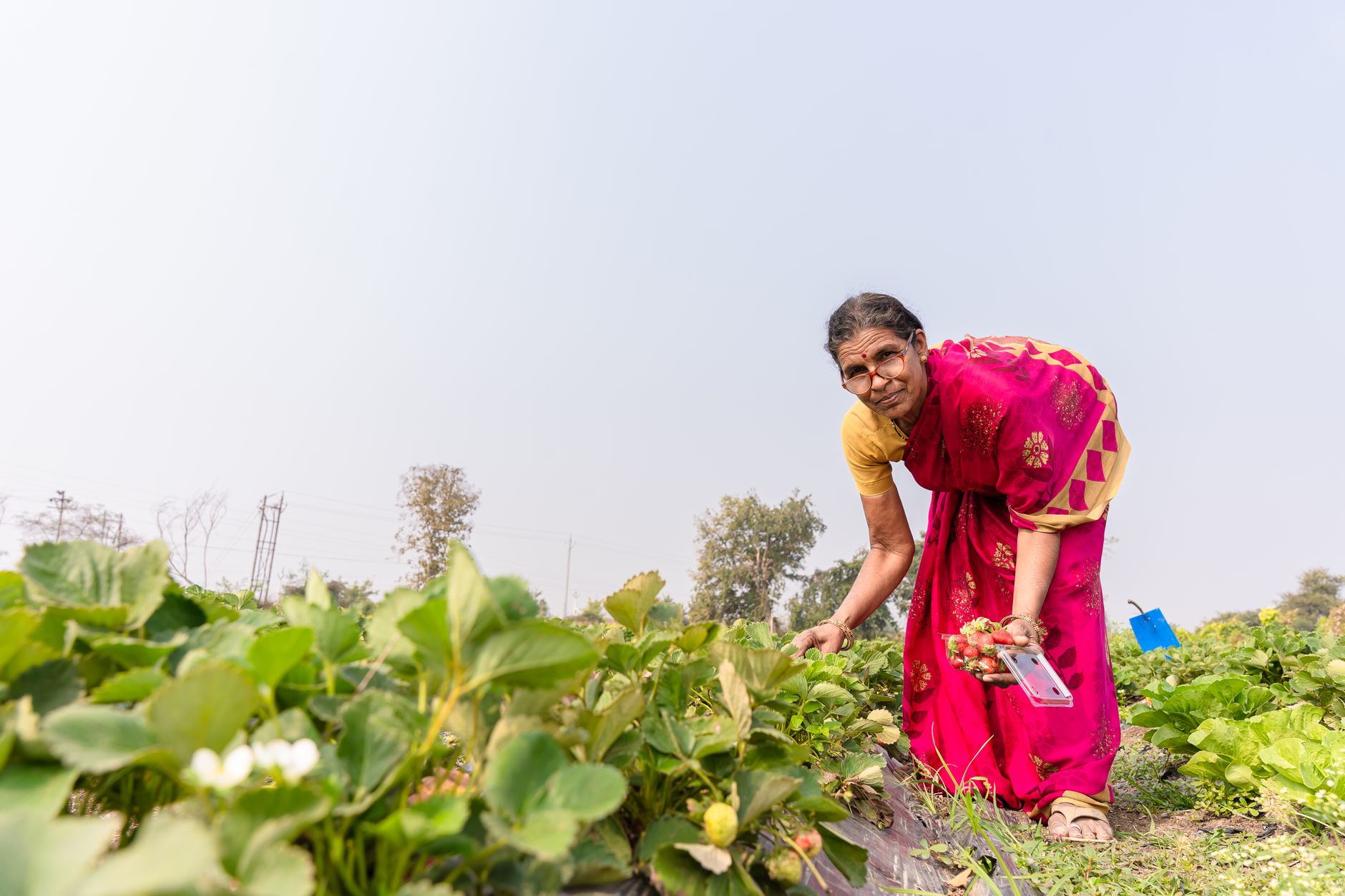
Prime Minister Narendra Modi's recent statement highlighting preventive healthcare and a strong research ecosystem as cornerstones of India's future reflects a growing recognition that the nation's health challenges require a fundamental shift in approach. Rather than continuing to focus primarily on treating diseases after they occur, the emphasis is moving toward stopping them before they start.
The Case for Prevention Over Cure
India currently faces a dual disease burden. While infectious diseases like tuberculosis and malaria continue to affect millions, lifestyle-related conditions such as diabetes, hypertension, and heart disease are rising rapidly. The country is home to over 77 million diabetics, making it the second-highest globally. Treating these chronic conditions consumes enormous healthcare resources and reduces quality of life for millions.
Preventive healthcare addresses this challenge at its root. By promoting healthy lifestyles, early screening, vaccination programs, and public health awareness, diseases can be prevented entirely or detected early when treatment is most effective and least expensive. The economic argument is compelling: every rupee spent on prevention can save multiple rupees in treatment costs while improving productivity and life expectancy.
What Preventive Healthcare Looks Like in Practice
Preventive healthcare operates at multiple levels. Primary prevention includes measures like vaccination programs, clean water access, nutrition initiatives, and health education campaigns that stop diseases before they occur. India's Universal Immunization Programme and Swachh Bharat Mission are examples of this approach.
Secondary prevention focuses on early detection through screening programs. Initiatives targeting hypertension, diabetes, and cancer screening can identify conditions before symptoms appear, enabling timely intervention. Tertiary prevention aims to manage existing conditions to prevent complications, such as helping diabetic patients avoid kidney disease or blindness.
Community health workers, digital health platforms, and workplace wellness programs all play roles in this ecosystem. The Ayushman Bharat Health and Wellness Centres represent an attempt to bring preventive services closer to communities, particularly in rural areas where 65 percent of Indians still live.
The Research Ecosystem Challenge
A robust research ecosystem is essential to developing preventive strategies suited to India's unique context. Health challenges vary significantly across regions, influenced by genetics, environmental factors, dietary patterns, and socioeconomic conditions. Solutions developed for Western populations may not translate effectively.
India needs research infrastructure that can investigate disease patterns specific to its population, develop affordable diagnostic tools, test preventive interventions, and generate evidence for policy decisions. This includes strengthening medical colleges, funding public health research, encouraging pharmaceutical innovation, and fostering collaboration between government institutions, private sector, and international partners.
The COVID-19 pandemic demonstrated both strengths and gaps in India's research capabilities. While the country successfully developed and manufactured vaccines, the pandemic also exposed limitations in epidemiological surveillance, clinical trial capacity, and rapid research response mechanisms.
Obstacles to Overcome
Implementing preventive healthcare at scale faces several challenges. Public awareness remains limited, with many people seeking medical attention only when severely ill. Healthcare infrastructure is unevenly distributed, with rural and tribal areas significantly underserved. The healthcare workforce shortage, particularly of trained public health professionals, constrains program delivery.
Additionally, preventive measures often show benefits over years or decades, making them less politically attractive than visible hospital construction projects. Behavioral change is difficult, requiring sustained communication and community engagement. Social determinants like poverty, education levels, and living conditions heavily influence health outcomes but lie partly outside the health sector's control.
Building the Foundation
Strengthening preventive healthcare requires coordinated action across multiple fronts. Investment in health education starting in schools can build awareness early. Training more public health professionals and community health workers expands delivery capacity. Digital health technologies can extend reach and enable personalized prevention advice.
Research funding needs significant expansion, with clear priorities around communicable diseases, non-communicable diseases, maternal and child health, and emerging threats. Creating regulatory frameworks that encourage innovation while maintaining safety standards is crucial. Public-private partnerships can accelerate development and deployment of preventive solutions.
The vision articulated by the Prime Minister recognizes that India's demographic dividend can only be realized if its population remains healthy and productive. As the country aims to become a developed nation by 2047, preventive healthcare and research capabilities are not optional extras but essential infrastructure for that journey.
This article is for general informational purposes only and does not constitute medical advice. Readers should consult qualified healthcare professionals for personal health decisions and follow guidance from authorized health authorities regarding preventive care and screening recommendations.