India's healthcare system faces enormous challenges serving over 1.4 billion people, with vast disparities between urban and rural access to medical facilities. In this complex landscape, primary healthcare has emerged as the cornerstone strategy for delivering effective, equitable health services to the masses. Understanding why primary healthcare functions as the nation's first line of defence reveals critical insights into public health strategy and personal wellness planning.
What Primary Healthcare Actually Means
Primary healthcare refers to the first point of contact between individuals and the healthcare system. This includes community health centres, primary health centres, sub-centres, and general practitioners who provide basic medical care, preventive services, health education, and appropriate referrals to specialized facilities when needed.
In India, the primary healthcare infrastructure comprises approximately 158,000 sub-centres, 25,000 primary health centres, and 5,600 community health centres spread across the country. These facilities are designed to address 80-90% of common health issues without requiring hospital admission or specialist intervention.
Prevention Over Cure: The Economic Argument
The economic case for robust primary healthcare is compelling. Treating diseases at early stages costs significantly less than managing advanced conditions requiring hospitalization, surgery, or long-term specialized care.
Consider diabetes management as an example. Regular screening and lifestyle counselling at primary care level can prevent or delay disease progression, potentially saving hundreds of thousands of rupees in future treatment costs for complications like kidney failure, heart disease, or amputation. Vaccination programs administered through primary healthcare have virtually eliminated diseases like polio and significantly reduced measles, saving both lives and healthcare expenditure.
For a developing economy like India, where healthcare spending accounts for approximately 3-4% of GDP, primary healthcare offers maximum health impact per rupee invested. It reduces the burden on expensive tertiary care hospitals, freeing those resources for complex cases that genuinely require advanced medical intervention.
Accessibility and Health Equity
India's geographical diversity and population distribution create unique healthcare delivery challenges. Nearly 65% of Indians live in rural areas, often far from major hospitals. Primary healthcare centres bring essential medical services within reach of these populations.
The Ayushman Bharat Health and Wellness Centres initiative aims to transform existing primary healthcare facilities into comprehensive care centres, providing expanded services including non-communicable disease management, mental health support, geriatric care, and palliative care. This expansion addresses the changing disease profile of India's population while maintaining accessibility.
Disease Surveillance and Outbreak Control
Primary healthcare networks serve as early warning systems for disease outbreaks. Local health workers can identify unusual patterns of illness and report them quickly, enabling rapid response to potential epidemics. This surveillance function proved crucial during COVID-19, where ASHA workers and primary healthcare staff conducted contact tracing, monitoring, and community health education.
The same network monitors endemic diseases like tuberculosis, malaria, and dengue, ensuring timely intervention and reducing transmission rates. Without this grassroots-level surveillance, disease outbreaks could spread unchecked before reaching hospital emergency departments.
Addressing Non-Communicable Diseases
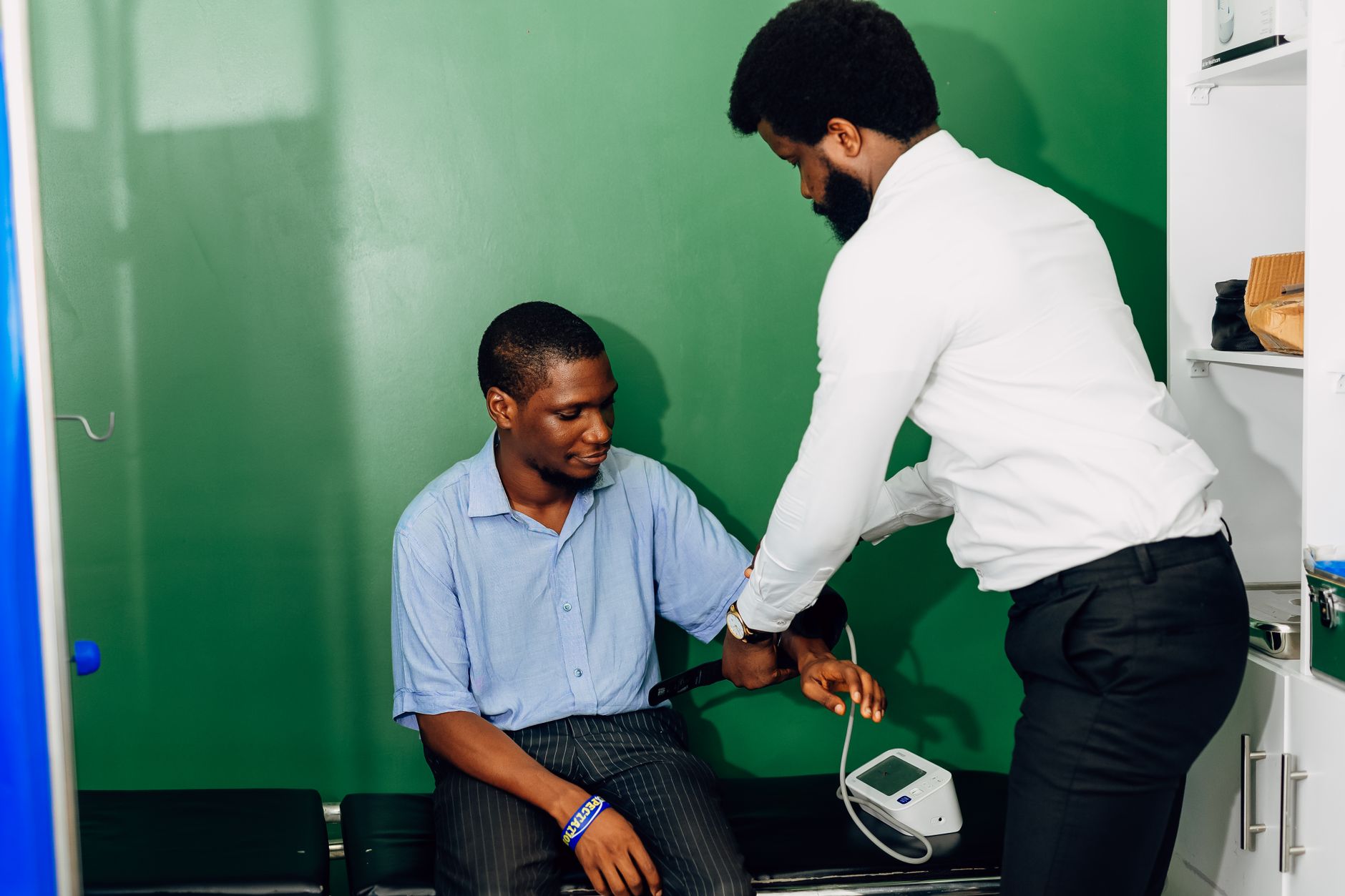
India faces a growing burden of non-communicable diseases including hypertension, diabetes, cardiovascular disease, and cancer. These conditions require long-term management, regular monitoring, and lifestyle modification—precisely the services primary healthcare excels at providing.
- Regular blood pressure and blood sugar monitoring
- Medication management and compliance support
- Dietary and exercise counselling
- Early detection of complications
- Patient education about disease management
By managing these conditions at the primary level, the healthcare system prevents acute episodes requiring expensive emergency interventions and improves overall quality of life for patients.
Maternal and Child Health Services
Primary healthcare centres provide essential maternal and child health services including antenatal care, immunizations, nutritional support, and postnatal monitoring. These services have contributed to significant reductions in maternal and infant mortality rates over the past two decades.
Regular check-ups during pregnancy can identify complications early, ensuring timely referral to higher facilities when needed. Immunization drives conducted through primary healthcare have achieved remarkable coverage, protecting children from preventable diseases.
The Road Ahead
Strengthening primary healthcare requires continued investment in infrastructure, workforce training, and technology integration. Telemedicine capabilities can extend specialist consultation to remote areas, while electronic health records can improve care continuity and coordination.
The integration of AYUSH (Ayurveda, Yoga, Unani, Siddha, and Homeopathy) practitioners into primary healthcare teams offers culturally acceptable care options while expanding service capacity. Mental health integration represents another critical frontier, addressing the growing burden of psychological disorders at the community level.
This article provides general information about healthcare systems and should not be considered medical advice. Always consult qualified healthcare professionals for personal health concerns and treatment decisions.