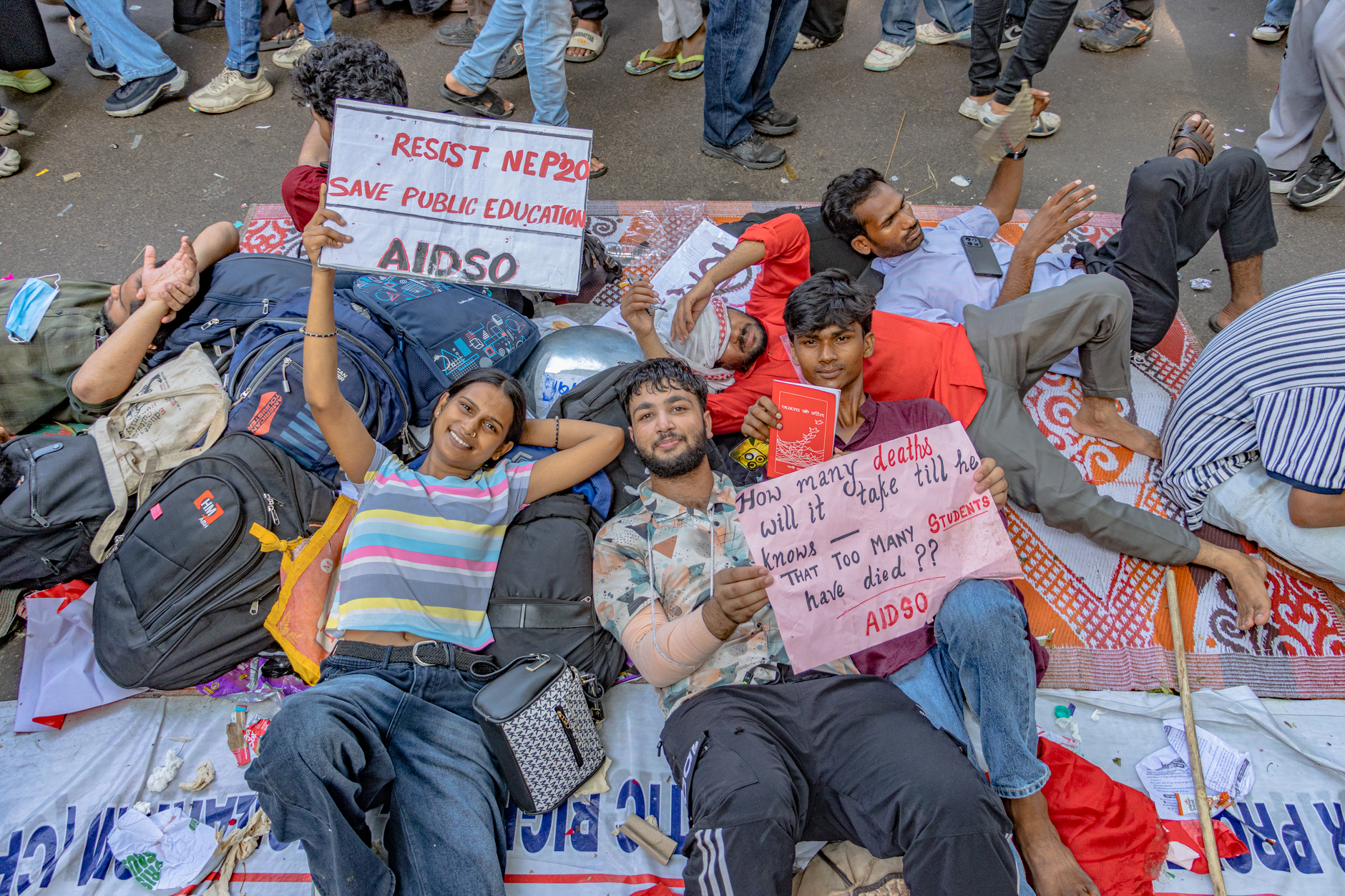
India's education sector has witnessed a dramatic political upheaval as sustained youth protests resulted in the resignation of the education minister. This rare victory for student activism marks a significant moment in India's democratic landscape and raises important questions about the future direction of educational policy in the world's most populous nation.
What Sparked the Protests
The youth-led movement emerged from growing discontent with several aspects of India's education system. Students across the country have been increasingly vocal about concerns ranging from the structure of competitive examinations to proposed reforms in curriculum and university admissions processes.
Many protesters have cited issues with the National Eligibility cum Entrance Test (NEET) and other standardized examinations, which they argue create undue stress and fail to assess students' true capabilities. There have also been concerns about transparency in examination processes, paper leaks, and the mental health toll on millions of students competing for limited seats in premier institutions.
The Power of Youth Activism
The success of this movement demonstrates the growing political awareness and organizational capability of India's young population. Social media platforms played a crucial role in mobilizing students across different states, creating a unified voice that transcended regional and linguistic barriers.
What made this movement particularly effective was its grassroots nature. Unlike traditional political protests organized by established parties, this was driven by students themselves, lending it authenticity and moral authority. The movement employed various tactics including:
- Peaceful demonstrations in major cities
- Social media campaigns with trending hashtags
- Open letters and petitions to government authorities
- Student unions coordinating across universities
- Engagement with parents and educational stakeholders
Immediate Implications
The minister's resignation creates both opportunities and uncertainties. In the short term, an interim arrangement will likely manage the education portfolio until a permanent replacement is appointed. This transition period could potentially slow down pending reforms and policy implementations.
However, the resignation also sends a clear message to policymakers that student concerns cannot be ignored. It establishes a precedent that may embolden other youth movements on different issues and could make future education ministers more cautious and consultative in their approach.
What Students Are Demanding
Beyond the removal of the minister, the movement has articulated several concrete demands for systemic reform:
- Comprehensive review of the examination system to reduce stress and promote holistic learning
- Greater transparency in examination processes and answer key releases
- More seats in quality educational institutions to match India's growing youth population
- Mental health support systems in schools and colleges
- Affordable education with reduced emphasis on expensive coaching classes
- Modern curriculum that aligns with contemporary job market needs
Challenges Ahead
Despite this victory, transforming India's education system faces substantial obstacles. The system serves over 250 million students, making any reform inherently complex and requiring significant resources. Different stakeholders including state governments, private institutions, and central authorities must coordinate effectively.
Additionally, there are legitimate debates about the nature of reforms. While students seek reduced examination pressure, maintaining academic standards and ensuring fair selection for limited university seats remains necessary. Balancing accessibility with excellence is an ongoing challenge.
The Road Forward
The new education minister, whoever is appointed, will inherit a system demanding urgent attention. They will need to demonstrate responsiveness to student concerns while maintaining educational quality and managing diverse stakeholder interests.
Some potential paths forward include:
- Establishing formal consultation mechanisms with student representatives
- Pilot programs for alternative assessment methods
- Investment in expanding quality educational infrastructure
- Technology integration to make education more accessible
- Teacher training programs to implement new pedagogical approaches
Broader Significance
This episode reflects broader trends in Indian democracy where citizen activism, particularly youth-led movements, is becoming increasingly influential. It demonstrates that sustained, organized pressure can bring about political accountability even on complex policy issues.
For students globally, India's youth movement offers lessons in effective organizing and the power of collective action. It shows that young people can drive meaningful change when they organize around clear objectives and maintain pressure through multiple channels.
The coming months will reveal whether this moment translates into substantive educational reform or remains primarily symbolic. The real test lies in whether the government implements meaningful changes that address the fundamental concerns that sparked these protests in the first place.
What remains certain is that India's students have demonstrated they are stakeholders who must be taken seriously in shaping the country's educational future.