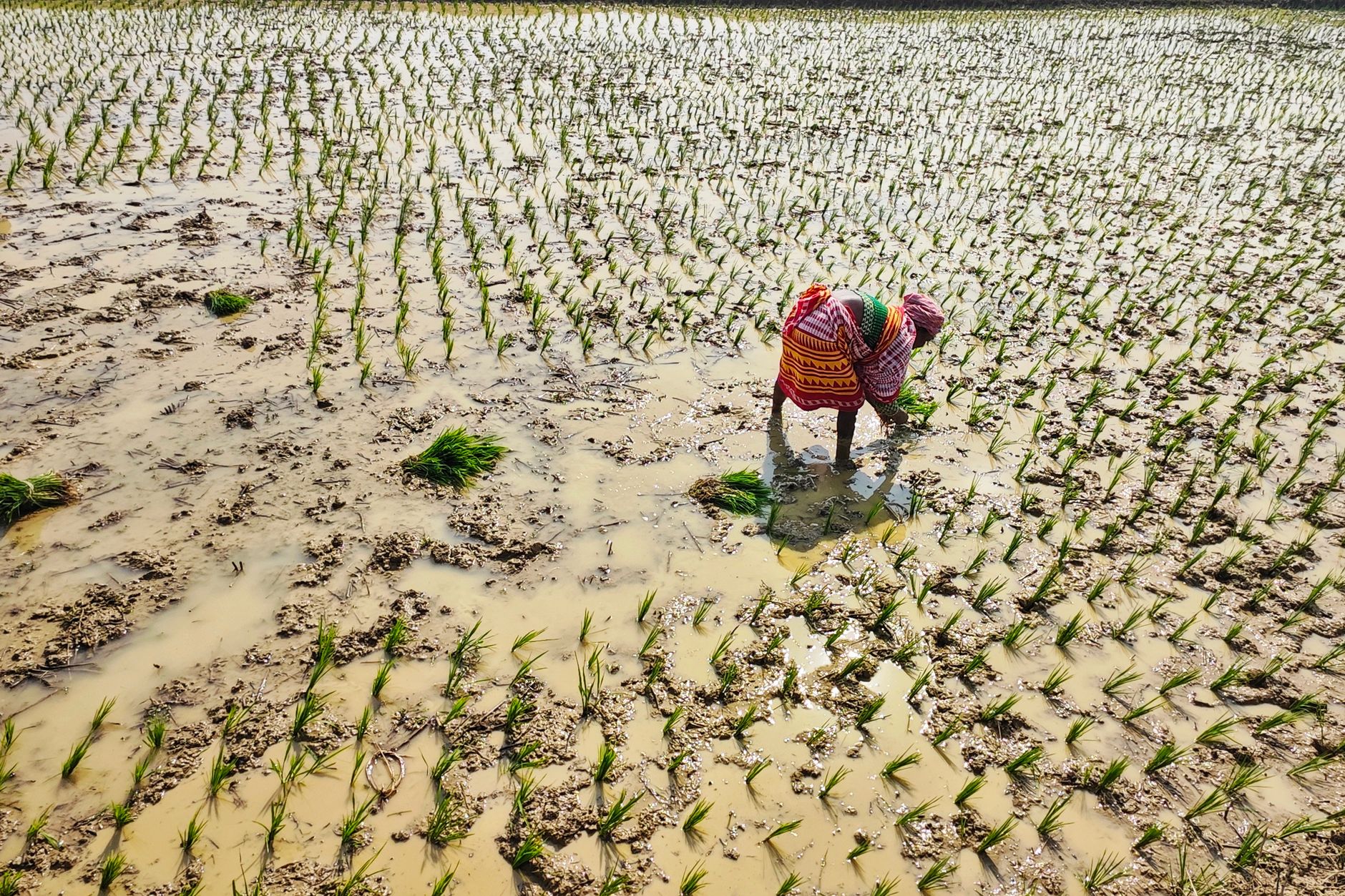
India's agricultural sector remains heavily dependent on monsoon rains, with over 60 percent of farmland still relying on rainfall rather than irrigation. As climate patterns shift and monsoons become more erratic, farmers face mounting challenges that translate into economic uncertainty, crop failures, and financial distress. The question now dominating agricultural policy and investment circles is whether advanced seed technology can provide a sustainable solution.
The Monsoon Dependency Challenge
Indian agriculture's reliance on monsoon rains creates a cascading effect throughout the economy. A weak monsoon can trigger crop failures, reduced rural incomes, lower consumer demand, and eventually impact GDP growth. Conversely, excessive rainfall can lead to flooding and crop damage. This binary risk has historically made farming one of India's most vulnerable sectors.
The traditional approach of waiting for favorable weather has proven increasingly inadequate. Climate change has introduced greater variability in rainfall patterns, with some regions experiencing drought while others face floods during the same season. This unpredictability makes conventional farming practices and traditional seed varieties less viable.
How Advanced Seeds Address Water Stress
Modern seed technology offers several mechanisms to combat monsoon uncertainty:
- Drought-resistant varieties that can survive and produce yields with 20-30 percent less water than conventional seeds
- Faster-maturing crops that complete their growth cycle before water stress occurs
- Deep-rooting varieties that access moisture from lower soil levels
- Stress-tolerant hybrids that maintain productivity under variable rainfall conditions
These seeds incorporate years of research in plant breeding, genetic selection, and increasingly, biotechnology. Companies developing these varieties use marker-assisted selection and other advanced techniques to identify and amplify desirable traits.
The Investment Landscape
The seed sector in India has attracted significant investment attention as stakeholders recognize its potential to transform agricultural outcomes. Both domestic companies and multinational corporations are pouring resources into research and development of climate-resilient varieties.
The Indian seed market, currently valued at several thousand crores, is growing at double-digit rates annually. Investment flows into companies focusing on research infrastructure, testing facilities, and distribution networks. Private equity firms and venture capitalists increasingly view agricultural technology, particularly seeds, as a high-potential sector.
Government initiatives also play a crucial role. Various schemes subsidize improved seeds for small and marginal farmers, effectively creating a market that attracts private investment. Public-private partnerships in agricultural research further accelerate seed development.
Economic Impact for Farmers
Access to better seeds translates into tangible economic benefits. Farmers using improved varieties often report yield increases of 15-40 percent compared to traditional seeds, even under suboptimal rainfall conditions. This directly impacts household incomes and reduces the financial stress that leads many farmers into debt cycles.
The input cost for improved seeds is higher, sometimes two to three times the price of conventional varieties. However, the return on investment typically justifies this premium through increased yields and reduced crop failure risk. This economic equation makes improved seeds an attractive proposition despite the higher upfront cost.
Limitations and Complementary Investments
While better seeds offer significant advantages, they are not a complete solution. Their effectiveness depends on several complementary factors:
- Soil health and fertility management
- Appropriate agronomic practices and farmer education
- Access to institutional credit for purchasing quality inputs
- Functioning irrigation systems to supplement rainfall
- Crop insurance to manage residual risk
Investors and policymakers increasingly recognize that seed technology must be part of a broader ecosystem approach. Investments in irrigation infrastructure, soil testing facilities, and farmer training programs multiply the benefits of improved seeds.
Future Outlook
The convergence of climate pressures and technological advancement is likely to accelerate investment in seed technology. Emerging areas include bio-fortified seeds that improve nutritional content alongside climate resilience, and precision agriculture tools that help farmers optimize seed variety selection for their specific conditions.
The success of better seeds in addressing monsoon dependency will ultimately depend on accessibility. Ensuring that smallholder farmers—who constitute the majority of India's agricultural workforce—can afford and properly utilize these technologies remains the critical challenge for both investors and policymakers.
As the agricultural sector evolves, seed technology represents one of the most promising frontiers for improving farmer livelihoods while generating investment returns. The question is not whether better seeds can help solve the monsoon problem, but how quickly these solutions can reach the farmers who need them most.