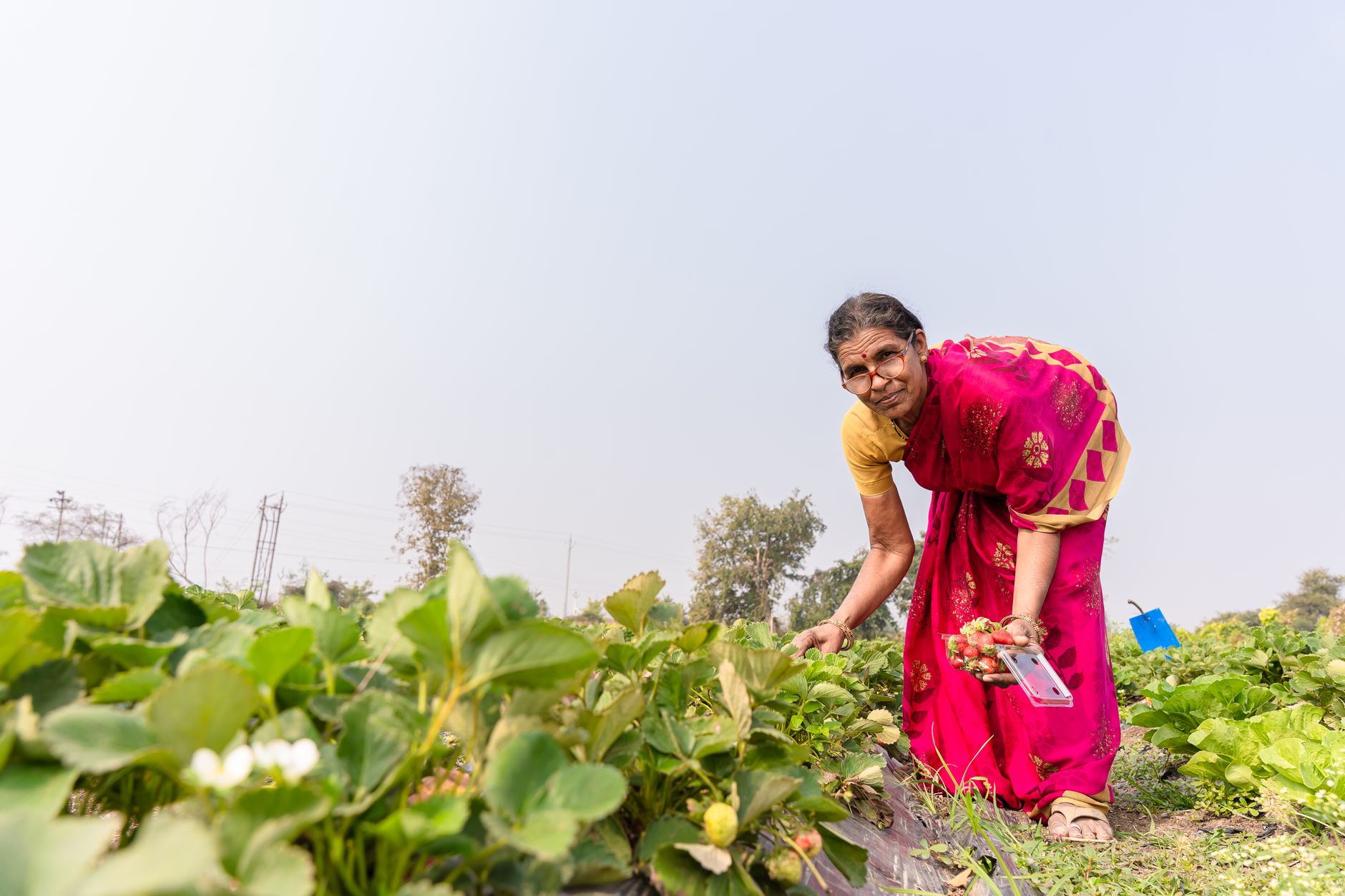
India's healthcare landscape presents unique challenges for senior citizens, particularly when it comes to managing medical expenses and securing adequate insurance coverage. With rising healthcare costs and an aging population expected to reach 319 million by 2050, the question of which health insurance scheme offers the best protection for older adults has never been more relevant.
The Growing Need for Senior Health Coverage
Older adults in India face a dual challenge: they require more frequent medical care while simultaneously having limited income sources post-retirement. Chronic conditions like diabetes, hypertension, and heart disease become more prevalent with age, leading to regular healthcare expenditures that can quickly deplete savings. This makes health insurance not just a safety net but a financial necessity.
The out-of-pocket healthcare spending in India remains among the highest globally, with families often bearing 50-60% of medical costs directly. For senior citizens living on fixed incomes or dependent on family support, a single hospitalization can trigger catastrophic financial consequences.
Types of Health Insurance Schemes Available
India offers several health insurance pathways for older adults, each with distinct features, coverage limits, and accessibility criteria.
Government-Sponsored Programs
Ayushman Bharat Pradhan Mantri Jan Arogya Yojana (AB-PMJAY) serves as the world's largest government-funded health insurance scheme, providing coverage up to Rs 5 lakh per family annually. The scheme targets economically vulnerable sections and includes senior citizens from eligible households. It offers cashless treatment at empanelled hospitals and covers a wide range of medical procedures.
State-specific health schemes complement the central program, with many states offering additional coverage or specialized senior citizen programs. These often have more relaxed eligibility criteria regarding pre-existing conditions compared to private insurance.
Private Health Insurance
Private insurers offer dedicated senior citizen health insurance plans, typically available for individuals aged 60 and above. These plans often come with higher premiums due to increased risk but may provide more comprehensive coverage, including:
- Higher sum insured options ranging from Rs 3 lakh to Rs 50 lakh
- Coverage for pre-existing diseases after waiting periods
- Domiciliary hospitalization benefits
- Day-care procedures
- Wellness benefits and health check-ups
The challenge with private insurance lies in affordability and accessibility, as premiums increase significantly with age and many policies have upper age limits for entry.
Group Insurance and Pensioner Schemes
Retired government employees often receive continued health benefits through schemes like the Central Government Health Scheme (CGHS) or Employees' State Insurance (ESI). Some public sector undertakings and large private employers extend group health coverage to retired employees, offering comprehensive protection at subsidized rates.
Key Differences in Coverage and Protection
The effectiveness of health insurance for older adults depends on several factors beyond just the sum insured.
Financial Protection Metrics
Government schemes typically offer broader accessibility with minimal or no premium payments, making them suitable for economically weaker sections. However, they may have limitations in hospital networks and service quality. Private insurance provides more choices and potentially better service but requires significant premium outlays that many seniors cannot afford.
The actual financial protection delivered depends on out-of-pocket expenses, claim settlement ratios, and coverage for common elderly ailments. Waiting periods for pre-existing conditions, sub-limits on room rent, and disease-specific caps can significantly reduce the effective coverage.
Coverage Gaps to Consider
Most insurance schemes exclude certain conditions or impose restrictions that particularly affect older adults:
- Dental and vision care often remain uncovered
- Long-term care and assisted living expenses
- Outpatient expenses and regular medications
- Mental health conditions may have limited coverage
- Alternative medicine treatments like Ayurveda or homeopathy
Making the Right Choice
Selecting appropriate health insurance requires older adults and their families to assess multiple factors including current health status, family medical history, financial capacity, and preferred healthcare providers. Many experts recommend a combination approach—maintaining government scheme eligibility while purchasing top-up or super top-up policies from private insurers for additional protection.
Regular policy reviews become essential as health needs evolve and new insurance products enter the market. Comparing claim settlement ratios, network hospitals, and customer service records helps identify reliable insurers.
The landscape of senior health insurance in India continues evolving, with increasing regulatory focus on standardization and consumer protection. Understanding the nuances of different schemes empowers older adults to make informed decisions that provide genuine financial security during their most vulnerable years.
This article provides general information about health insurance options and should not be considered as financial, medical, or legal advice. Readers should consult qualified insurance advisors and carefully review policy documents before making insurance decisions.