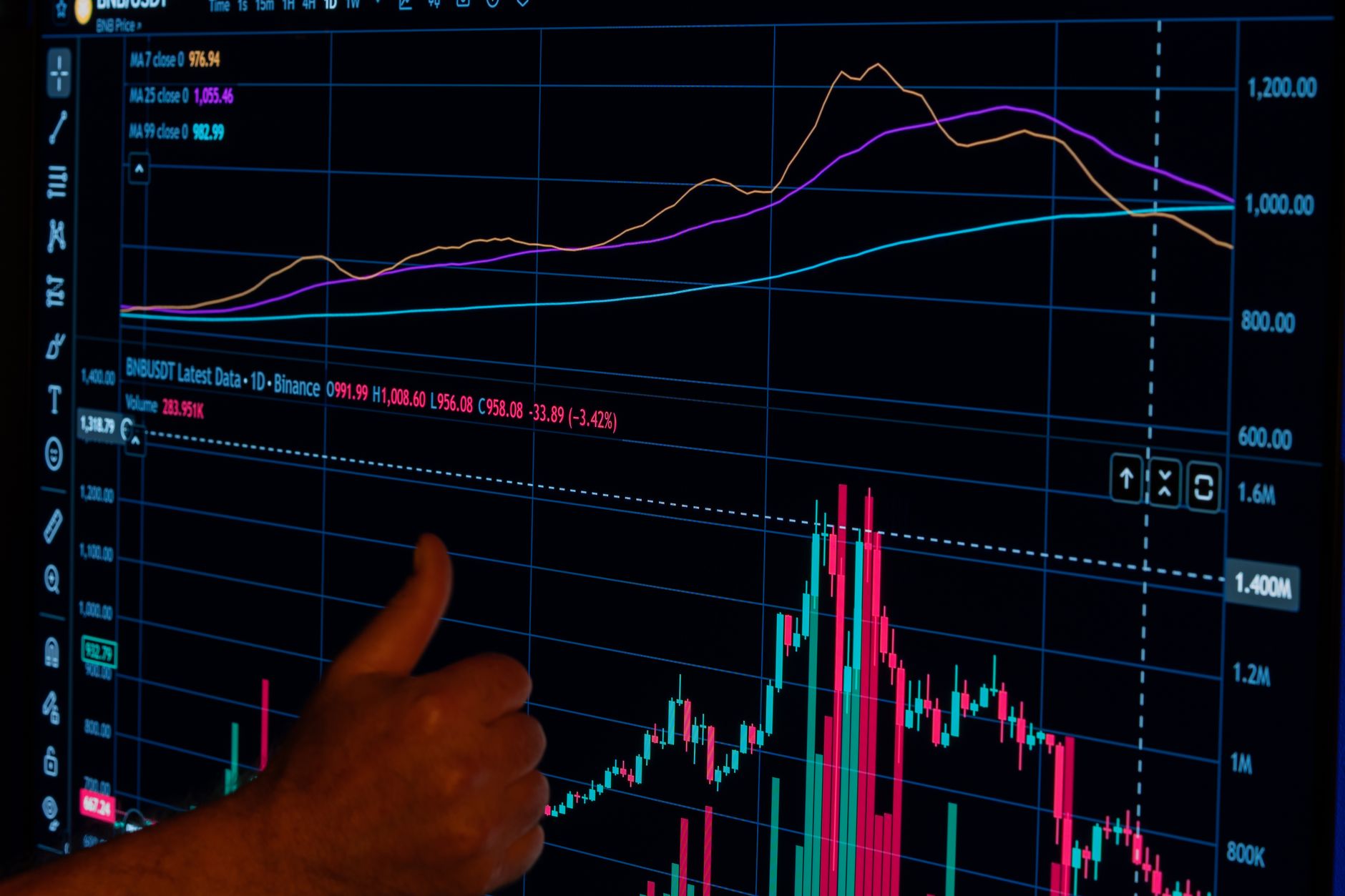
Indian equity markets staged a remarkable comeback today, with the BSE Sensex climbing nearly 900 points and the Nifty50 index decisively breaking above the 24,200 mark. This bullish momentum comes at a time when global markets are grappling with uncertainty, making the domestic rally all the more noteworthy for investors and market participants.
Understanding Today's Market Surge
The Indian stock market's resilience in the face of global headwinds demonstrates the unique factors at play in the domestic economy. While international markets have been experiencing turbulence due to various macroeconomic concerns, Indian equities have carved their own path, driven by a combination of fundamental, technical, and sentiment-based factors.
Factor 1: Strong Domestic Economic Data
Recent economic indicators have painted an encouraging picture of India's growth trajectory. Manufacturing and services sector data have shown robust expansion, suggesting that the economy continues to maintain momentum despite global slowdown fears. Corporate earnings from key sectors have also exceeded market expectations, providing fundamental support to equity valuations.
The Indian economy's resilience is reflected in consumption patterns, infrastructure spending, and digital adoption rates, all of which contribute to investor confidence. When domestic fundamentals remain strong, markets tend to decouple from global trends, at least in the short to medium term.
Factor 2: Foreign Institutional Investment Flows
A notable turnaround in foreign institutional investor (FII) sentiment appears to be supporting the current rally. After a period of sustained selling, foreign investors have begun increasing their allocation to Indian equities, recognizing the relative value proposition compared to other emerging markets.
Several factors are attracting foreign capital:
- India's stable political environment and policy continuity
- Competitive valuations following recent corrections
- Strong earnings growth projections for the coming quarters
- Reforms in key sectors improving ease of doing business
- Currency stability relative to other emerging market peers
Factor 3: Sectoral Rotation and Banking Strength
Today's rally has been broad-based but particularly led by banking and financial services stocks, which carry significant weight in both major indices. Public sector banks and private sector lenders have seen strong buying interest, driven by improving asset quality metrics and expectations of steady credit growth.
Additionally, sectoral rotation has brought fresh momentum to previously overlooked segments. Capital goods, infrastructure, and manufacturing stocks have attracted investor attention as the government's focus on domestic production and infrastructure development creates long-term growth opportunities.
The pharmaceutical and information technology sectors, which had been under pressure, also witnessed recovery buying, adding to the market's upward momentum.
Factor 4: Technical Breakouts and Short Covering
From a technical perspective, the market had been consolidating near key support levels, building a base for the current upward move. The decisive break above resistance levels triggered algorithm-based buying and momentum-driven trades.
Short covering by bearish traders who had bet on further declines also contributed to the sharp intraday rally. When markets move against short positions, traders are forced to buy back stocks to limit losses, creating additional upward pressure on prices.
The market breadth, indicating the number of advancing stocks versus declining ones, showed healthy participation across market capitalizations, suggesting the rally has firm foundation rather than being limited to a few heavyweight stocks.
What This Means for Retail Investors
Today's strong performance reminds investors that markets can remain resilient even when global conditions appear challenging. However, single-day movements should be viewed in the broader context of medium to long-term investment strategies.
Investors should focus on portfolio diversification, asset allocation appropriate to their risk profile, and avoid making impulsive decisions based solely on daily market movements. While the current rally is encouraging, maintaining discipline and sticking to investment plans remains crucial.
Market volatility is likely to persist given ongoing global uncertainties, including central bank policy decisions, geopolitical tensions, and economic data releases. Indian markets, while showing strength today, are not immune to external shocks.
The coming weeks will test whether today's momentum can be sustained or if this represents a temporary relief rally within a larger consolidation phase. Corporate earnings announcements, monsoon progress, inflation data, and global developments will continue to influence market direction.
Disclaimer
This article is for informational purposes only and should not be considered investment advice. Stock market investments are subject to market risks. Readers should conduct their own research or consult with qualified financial advisors before making investment decisions. Past performance is not indicative of future results.