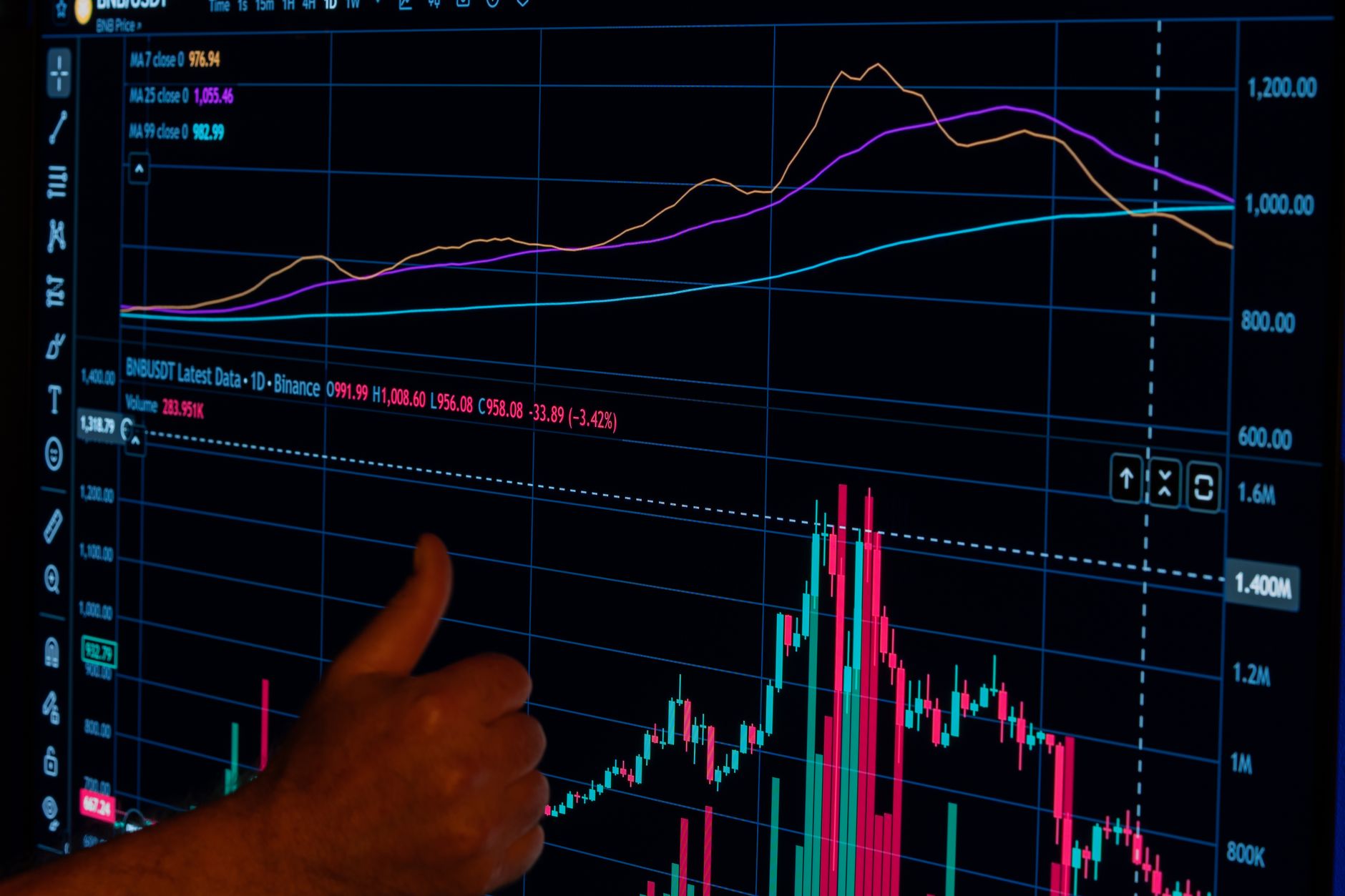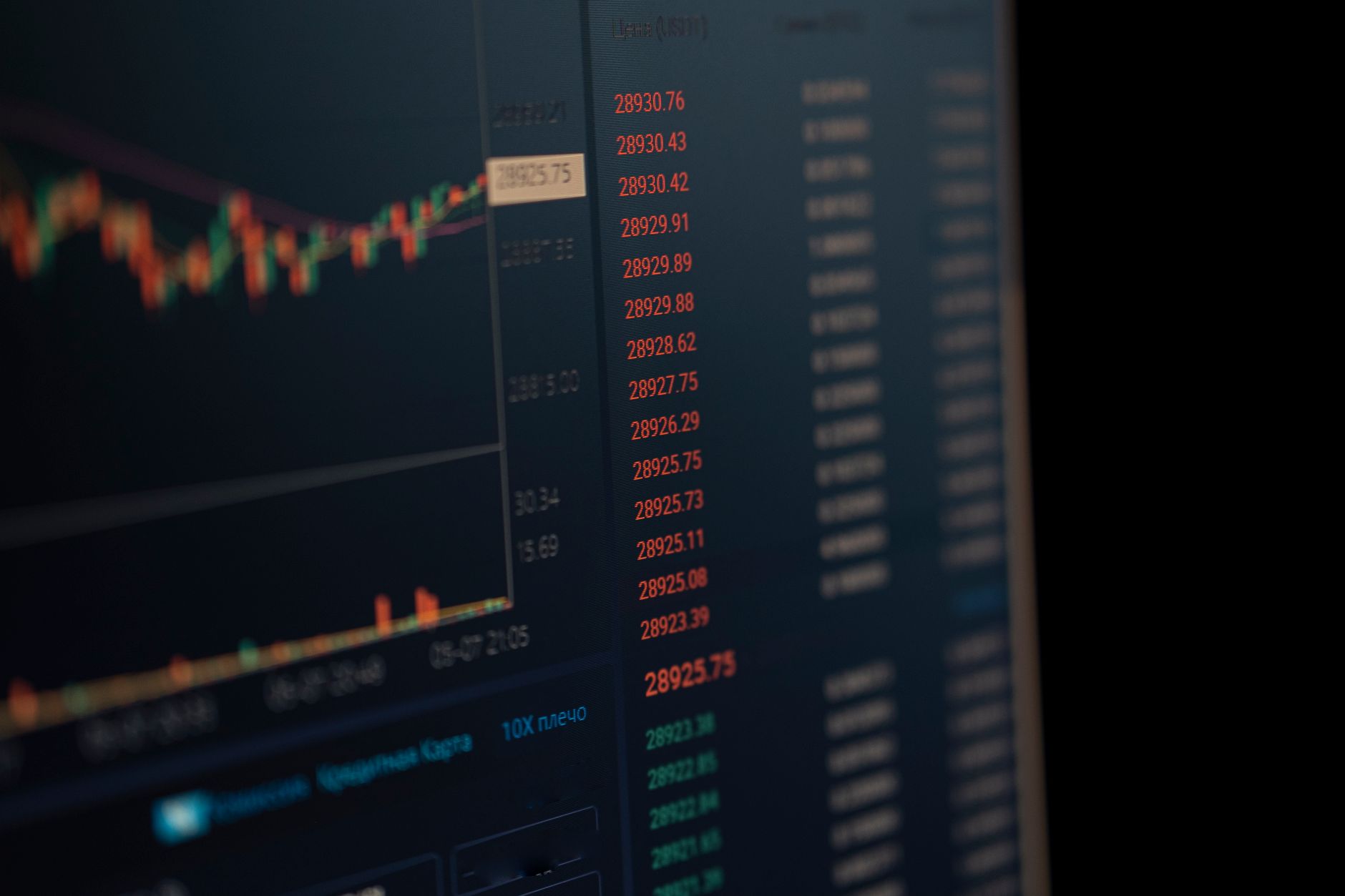
The Indian share market operates as a dynamic ecosystem where millions of investors trade securities daily. Live market updates have become essential tools for anyone participating in equity markets, whether you're a seasoned trader or a beginner exploring investment opportunities.
What Are Share Market Live Updates
Share market live updates are real-time feeds that display current stock prices, index movements, trading volumes, and other crucial market data. These updates typically show information from both major Indian stock exchanges – the National Stock Exchange (NSE) and the Bombay Stock Exchange (BSE). The updates refresh continuously during trading hours, which run from 9:15 AM to 3:30 PM on weekdays.
Live updates include key benchmark indices like the Sensex and Nifty 50, sectoral indices tracking specific industries, and individual stock prices. They also feature information about top gainers, top losers, most actively traded stocks, and overall market breadth indicators.
Why Live Market Updates Matter
For active traders, live updates are indispensable for making time-sensitive decisions. Stock prices can fluctuate significantly within minutes based on news events, corporate announcements, global market trends, or changes in economic indicators. Having access to real-time information allows traders to respond quickly to market movements.
Even for long-term investors, monitoring live updates periodically helps in understanding market sentiment and identifying potential entry or exit points for investments. During volatile market conditions, these updates provide crucial insights into how your portfolio might be performing.
Key Components of Market Updates
Market Indices
The Sensex and Nifty 50 serve as barometers of overall market health. The Sensex tracks 30 large-cap companies listed on BSE, while Nifty 50 represents 50 major companies across various sectors on NSE. Movements in these indices indicate whether the broader market is rising or falling.
Stock-Specific Data
Live updates show individual stock prices along with percentage changes, opening prices, day's high and low, and trading volume. The volume data indicates how actively a stock is being traded and can signal investor interest or concerns.
Market Breadth
This metric shows how many stocks are advancing versus declining. A healthy market typically has more advancing stocks than declining ones. When market breadth is negative despite indices showing gains, it may indicate that only a few large-cap stocks are driving the rally.
How to Use Live Market Updates Effectively
Checking live updates doesn't mean you should react to every minor price movement. Successful investing requires discipline and strategy rather than impulsive decisions based on short-term fluctuations.
For long-term investors, periodic checks – perhaps once or twice daily – are usually sufficient. Focus on significant news that might fundamentally affect your holdings rather than minute-by-minute price changes.
Day traders and short-term traders naturally need more frequent monitoring, but should still follow predetermined strategies and risk management rules rather than making emotional decisions.
Factors Driving Daily Market Movements
Several factors influence daily share market performance. Global market trends, particularly movements in US and Asian markets, often set the tone for Indian markets. Domestic factors include corporate earnings announcements, economic data releases, policy changes, and geopolitical developments.
Foreign Institutional Investor (FII) and Domestic Institutional Investor (DII) activity significantly impacts market direction. When FIIs are net buyers, markets typically trend upward, and vice versa.
Understanding Market Volatility
Markets don't move in straight lines. Daily volatility is normal and can be influenced by numerous factors beyond fundamental company performance. Learning to distinguish between meaningful trends and temporary noise is crucial for investment success.
During earnings season, individual stocks may show heightened volatility as companies release quarterly results. Similarly, budget announcements, monetary policy decisions, and major economic data releases can trigger significant market movements.
Making Informed Decisions
While live updates provide valuable information, they should be combined with fundamental analysis, technical analysis, and your personal investment goals. Avoid the temptation to constantly trade based on daily movements unless you're specifically following a day-trading strategy.
This article is for general informational purposes only and should not be considered as financial advice. Share market investments are subject to market risks. Readers should conduct their own research or consult with qualified financial advisors before making investment decisions.