The global shift from traditional paper currency to polymer plastic banknotes has accelerated over the past two decades, with dozens of countries making the switch. While these modern notes promise greater durability and enhanced security features, the investment case surrounding plastic currency production and adoption reveals a nuanced picture that extends beyond simple cost-benefit analysis.
The Evolution of Currency Materials
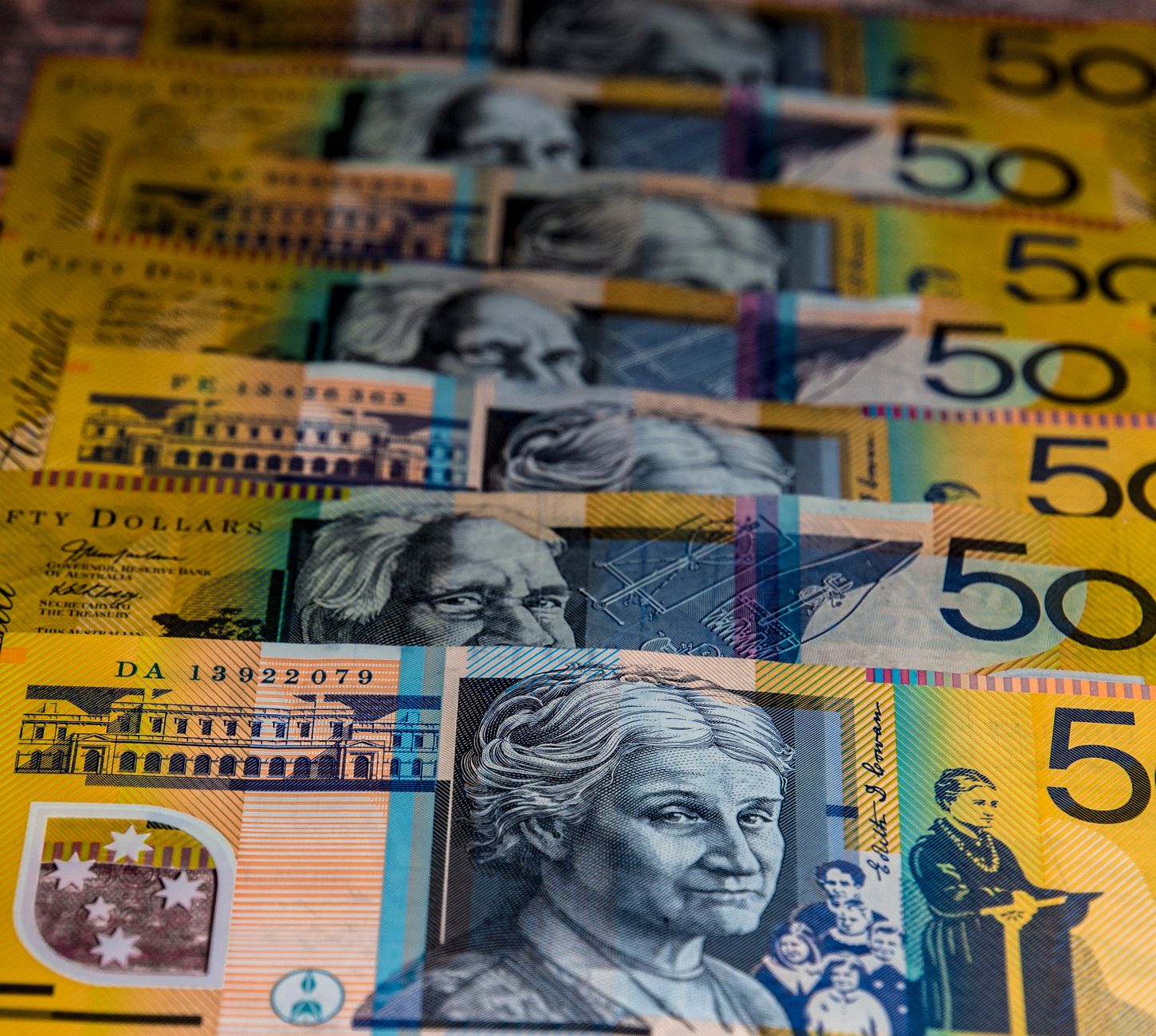
Traditional cotton-paper banknotes have served economies for centuries, but their vulnerability to wear, counterfeiting, and moisture damage prompted innovation. Polymer banknotes, first introduced by Australia in 1988, use thin plastic film substrate typically made from biaxially oriented polypropylene. Countries including Canada, the United Kingdom, New Zealand, and several Southeast Asian nations have since transitioned partially or fully to plastic notes.
The technological advancement represents a significant shift in how governments approach currency production, creating new supply chains and manufacturing expertise requirements that impact both established currency printers and specialized polymer suppliers.
The Investment Opportunity in Polymer Currency
Several publicly traded companies operate in the polymer banknote space, including specialized security printers and chemical manufacturers producing the substrate materials. The market dynamics present unique investment considerations.
Polymer notes typically last two to three times longer than paper equivalents, meaning governments require fewer replacement notes over time. This durability advantage reduces long-term production volumes, creating a paradoxical situation where a superior product may actually shrink the total addressable market for manufacturers. However, higher per-unit prices and patent protections have historically offset some volume concerns.
Major currency printing companies have invested heavily in polymer production capabilities, converting existing facilities or building new ones. These capital expenditures represent significant sunk costs that impact short-term profitability but position companies for long-term government contracts.
Security Features and Counterfeiting Prevention
Plastic banknotes incorporate sophisticated security elements that paper cannot easily replicate. These include transparent windows, holographic features, and color-changing elements embedded within the polymer substrate. The complexity of these features creates barriers to entry for potential counterfeiters while establishing high-value intellectual property for legitimate manufacturers.
For investors, companies holding patents on key security technologies or polymer formulations enjoy competitive advantages and pricing power. However, as patents expire and technology diffuses, these advantages may erode, requiring continuous innovation investment to maintain market position.
Environmental and Sustainability Concerns
The environmental case for plastic banknotes remains contentious, complicating the broader adoption narrative. Proponents argue that longer lifespan means fewer notes produced overall, reducing net environmental impact despite plastic's petroleum-based origins. Polymer notes also enable more efficient recycling compared to paper notes, which often contain too many security features for standard paper recycling.
Critics highlight that plastic production carries its own environmental costs, and end-of-life disposal presents challenges in countries lacking advanced recycling infrastructure. As environmental, social, and governance considerations increasingly influence investment decisions, the sustainability profile of polymer currency manufacturers faces growing scrutiny.
Some governments have hesitated to fully transition due to these environmental concerns, potentially limiting market growth. This uncertainty creates risk for investors in polymer currency producers who may face slower adoption rates than initially projected.
Cost-Benefit Analysis for Governments
From a government perspective, the decision to adopt polymer notes involves substantial upfront investment. Production costs per note run higher than paper equivalents, requiring increased initial budget allocations. However, the extended lifespan delivers lifecycle cost savings that typically justify the transition over five to ten year timeframes.
Smaller economies or those with budget constraints may defer plastic note adoption, concentrating market opportunities among wealthier nations. This geographic limitation affects growth projections for polymer currency suppliers and should inform investment thesis development.
Market Dynamics and Competition
The polymer banknote industry exhibits oligopolistic characteristics, with a handful of companies dominating global supply. Government procurement processes favor established players with proven track records, creating high barriers to entry but also limiting explosive growth potential for incumbents.
Currency production involves long sales cycles as governments evaluate options, test samples, and navigate political considerations around national security and domestic manufacturing preferences. These extended timelines require investors to maintain patient capital perspectives.
Looking Forward
The trajectory for plastic banknotes likely involves continued gradual adoption rather than wholesale global transition. Digital payment growth paradoxically both threatens and supports physical currency demand, as cashless transactions reduce overall note circulation while potentially extending the useful life of remaining physical currency through reduced handling.
This article is for general informational purposes only and does not constitute investment advice. Readers should conduct their own research and consult with qualified financial advisors before making investment decisions.