India's Public Distribution System (PDS) supplies subsidized food grains to over 800 million citizens, yet complaints about the quality of ration rice remain widespread. From discoloration and broken grains to musty odors and insect infestation, beneficiaries often find themselves disappointed with what arrives at their doorstep. The question of quality isn't just about agriculture—it's deeply connected to economics, logistics, and policy decisions that affect both government budgets and household finances.
The Procurement Process and Grade Standards
The Food Corporation of India (FCI) procures rice from farmers at Minimum Support Prices (MSP), which are designed to protect farmers from price crashes. However, the procurement system accepts three grades of rice—Grade A, Common, and Below Quality Specifications (BQS). While Grade A rice meets stringent quality parameters, the system also purchases lower grades to ensure farmers don't face losses on substandard produce.
The economic reality is that higher-quality rice commands premium prices in the open market. Farmers often sell their best produce to private traders who pay above MSP rates for superior grains. What remains for government procurement frequently includes older stock, broken grains, or rice that doesn't meet export or premium market standards. This creates a structural quality gap from the very beginning of the supply chain.
Storage and Preservation Challenges
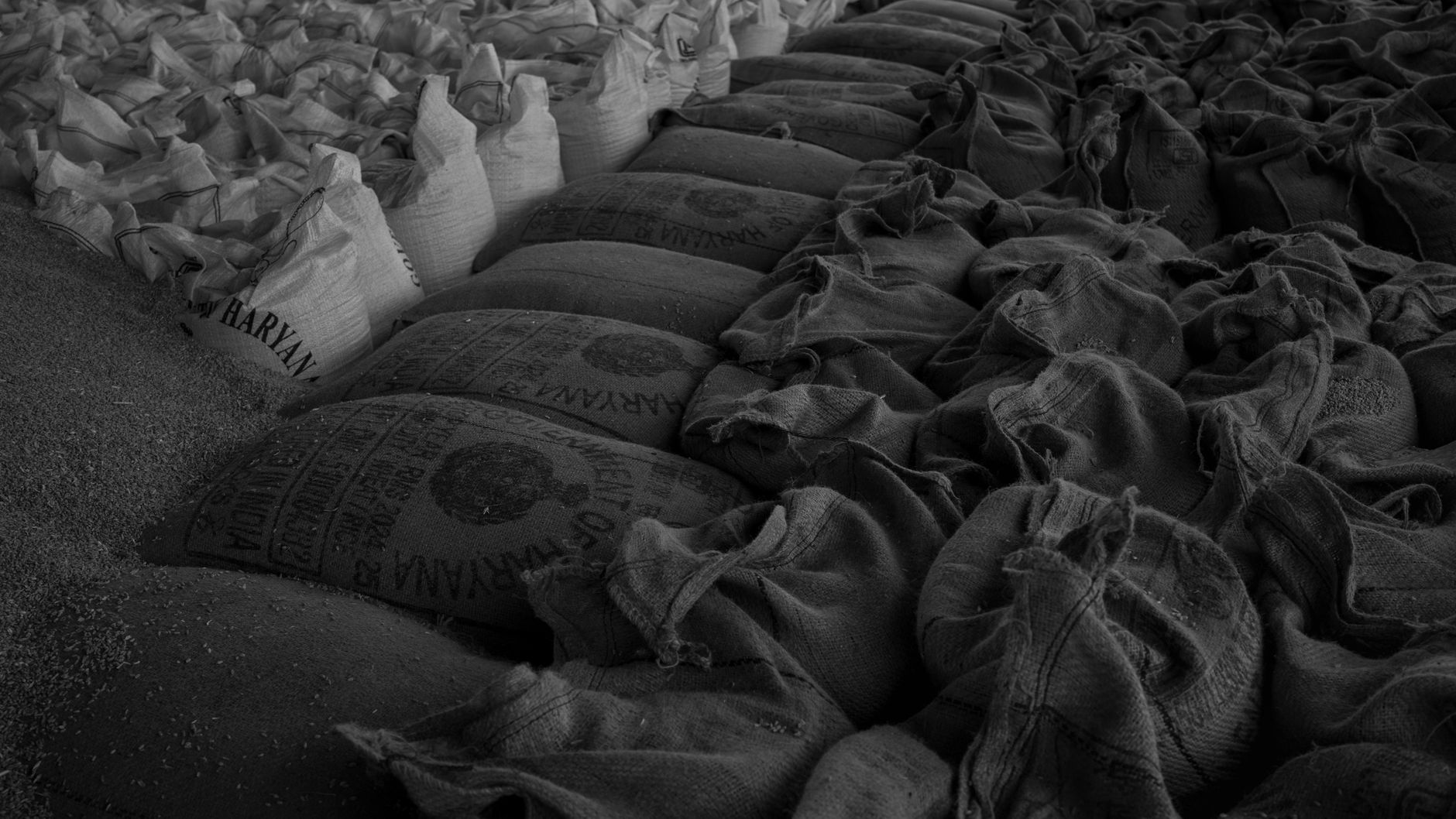
Once procured, rice must be stored in FCI warehouses before distribution. India's storage infrastructure faces significant challenges including inadequate capacity, exposure to humidity, and pest management issues. Rice stored for extended periods—sometimes over a year—naturally degrades in quality, losing nutritional value and developing off-flavors.
The economics of storage play a crucial role here. Maintaining climate-controlled warehouses and implementing advanced preservation techniques requires substantial investment. With millions of tons moving through the system annually, the government prioritizes quantity and cost-efficiency over premium storage conditions. This trade-off directly impacts the quality of rice that eventually reaches ration shops.
The Distribution Network Economics
From central warehouses, rice travels through multiple handling points before reaching Fair Price Shops. Each transfer point introduces opportunities for quality degradation through exposure, mixing of batches, and sometimes pilferage or substitution. The lengthy distribution chain—spanning state warehouses, district depots, and local shops—means rice may be several months old by the time families collect it.
Fair Price Shop operators receive minimal margins on PDS sales, creating little financial incentive to maintain premium storage conditions or handle grains carefully. Some shops lack proper ventilation or pest control measures, further compromising quality during the final storage phase.
Policy Priorities and Budget Constraints
The PDS operates under enormous budgetary pressure, with food subsidies consuming a significant portion of government expenditure. The program's primary objective is food security—ensuring caloric availability for vulnerable populations—rather than gourmet quality. This policy framework emphasizes affordability and reach over premium standards.
Upgrading quality across the entire supply chain would require substantially higher expenditure on procurement premiums, storage infrastructure, faster distribution logistics, and better compensation for retailers. These costs would either increase the fiscal burden or require raising issue prices for beneficiaries, potentially defeating the program's accessibility goals.
The Investment Perspective for Consumers
For families dependent on PDS rice, the quality issue presents a hidden economic cost. Poor quality grains may require longer cooking times (increasing fuel expenses), provide lower nutritional value, or even be partially unusable due to contamination. Some households end up supplementing ration rice with market purchases, reducing the effective subsidy benefit.
From a household budget management perspective, this creates an interesting calculation. While ration rice costs significantly less per kilogram, the total value proposition depends on usability and nutritional adequacy. Families must weigh the savings against potential health impacts and the need for supplementary purchases.
Recent Reform Efforts
The government has initiated several reforms including fortification of PDS rice with vitamins and minerals, modernization of storage facilities, and digitalization of the supply chain to reduce leakage. Some states have experimented with direct benefit transfers, allowing beneficiaries to purchase rice from open markets while receiving subsidies in their bank accounts.
These reforms acknowledge quality concerns while attempting to balance fiscal constraints with improved service delivery. The shift toward fortification, in particular, represents an attempt to enhance nutritional value even when grain quality remains moderate.
The Path Forward
Improving ration rice quality requires systemic changes including better procurement incentives for higher-grade rice, investment in modern storage infrastructure, streamlined distribution to reduce handling time, and stronger quality monitoring at each stage. However, these improvements come with substantial costs that must be weighed against other development priorities.
For now, the quality of ration rice reflects the fundamental economic tensions in running a massive subsidy program: balancing accessibility, affordability, and quality within finite budgetary resources. Understanding these trade-offs helps explain why, despite its critical role in food security, PDS rice often falls short of consumer expectations.
This article is for general informational purposes only and does not constitute financial or policy advice. Readers should consult appropriate government authorities for specific information about PDS entitlements and quality standards in their region.